Category Google Maps Ranking Strategies

Google Maps Optimization Atlanta: Proven Strategies to Rank #1 in Georgia

Google Maps Optimization Atlanta: Proven Strategies to Rank #1 in Georgia

Imagine this: after months of frustration, I finally realized I was spinning my wheels with outdated strategies for Google Maps optimization right here in Atlanta. I’d spend hours tweaking my GMB listing, only to see little to no movement in local rankings. That frustrating feeling of effort unrecognized—anyone who’s tried to dominate Atlanta’s local search scene knows it all too well. But then, a lightbulb went off during a late-night research session. I discovered proven strategies specifically tailored for Atlanta that actually work. Today, I’m going to share how I cracked the local pack, moving from invisible to the top-ranked spot, and how you can do the same with a mix of smart tactics and consistent effort.

Why Local Pack Success in Atlanta Is More Critical Than Ever

Here’s the truth: Georgia’s competitive local market is fierce, and if you’re not optimized properly, your competitors will outrank you without breaking a sweat. I learned this the hard way early on when I invested heavily in generic SEO tactics that overlooked the unique nuances of Atlanta’s local search landscape. The result? Missed opportunities and lost business. It wasn’t until I focused on strategic Google Maps optimization, particularly tailored for Atlanta, that I started seeing real growth. According to recent studies, 78% of local mobile searches result in offline purchases, highlighting how critical local SEO is for business success in Georgia. To stand out, you need more than just good products—you need to be visible where it counts.

Have you faced the challenge of your business not showing up in the local pack despite your efforts? If so, keep reading. I’ll guide you through the proven strategies I’ve used to earn that coveted top spot, ensuring your Atlanta-based business gets the attention it deserves.

Is Google Maps Optimization Actually Worth the Hype?

Maybe you’re skeptical—that’s perfectly normal. I remember thinking, “Is this just another digital marketing fad?” early on. I made the mistake of investing time into superficial tactics that didn’t yield results, like keyword stuffing or neglecting customer reviews. Trust me, I learned the hard way that genuine, locally-focused optimization is what makes the difference. When I started applying targeted techniques—like optimizing my Google My Business profile, leveraging local keywords, and managing reviews systematically—the results changed drastically. For detailed insights, check out this comprehensive guide on optimizing GMB listings for Atlanta’s market. The real secret lies in consistent, strategic efforts, backed by proven techniques.

Claim Your Google My Business Listing and Optimize It Aggressively

Start by claiming your Google My Business (GMB) profile if you haven’t already. Verify your listing promptly and ensure all information is accurate and complete. Think of your GMB profile as the digital storefront for your Atlanta business—it needs to be inviting and trustworthy. Fill out every section meticulously, including name, address, phone number, business hours, and categories tailored to Atlanta’s local search preferences. Upload high-quality photos that showcase your offerings and location—visual cues matter. This is the foundation of local map dominance, and neglecting this step is like building a house without a solid foundation. For a comprehensive guide on this crucial step, see this detailed resource.

Embed Local Keywords Strategically

Incorporate keywords that target Atlanta neighborhoods and landmarks naturally into your profile and website content. Use terms like “Atlanta gutter cleaning” or “Buckhead landscaping services” to signal relevance to local queries. Imagine your keywords as breadcrumbs leading Google directly to your door—make sure they’re placed where they make sense, such as business descriptions, service lists, and FAQ sections. But don’t overdo it—keyword stuffing is a quick way to get penalized. I remember once inserting a paragraph stuffed with local terms, and Google penalized my listing temporarily. Instead, aim for a seamless integration that reads naturally. Check out this guide to master local keyword integration.

Build Your Presence with Local Citations

Listing your business on reputable local directories and citation sites reinforces trustworthiness. Think of citations as votes of confidence from Atlanta-focused platforms like the Atlanta Business Chronicle or local chambers of commerce. Ensure your NAP (Name, Address, Phone Number) details are consistent across all listings. Discrepancies can confuse Google and hurt your rankings. I once audited my citations across multiple platforms and found inconsistencies in my address, which was blurring my local signals. Fixing this significantly improved my local pack rankings soon after. To learn more about citation building, explore this detailed advice.

Manage Customer Reviews Effectively

Reviews are social proof and a vital ranking factor. Encourage satisfied customers to leave positive reviews—be proactive but never incentivize or beg. Respond promptly to reviews, especially negative ones—show Google and users you value feedback. When I started replying thoughtfully to each review, my local reputation improved and Google rewarded my profile with higher visibility. Think of reviews as your trust signals; the more positive ones, the easier it is to dominate Atlanta’s local map results. For review management tactics, see this resource.

Leverage Local Backlinks to Cement Authority

Backlinks from Atlanta-based blogs, suppliers, and partners are like endorsements for your business. Reach out to local media or industry groups and offer to contribute content or sponsor events—these actions earn valuable backlinks. It’s akin to anchoring your business within Atlanta’s digital landscape. I once collaborated with a local chamber to feature my business on their site; that backlink boosted my rankings faster than expected. Focus on quality, relevance, and locality to maximize impact. Deep dive into backlink strategies at this guide.

Ensure Consistency and Stay Active

Regular updates signal to Google that your business is active and relevant. Post weekly updates or offers on your GMB profile, especially during local events or seasons unique to Atlanta. Consistency is like maintaining a lawn—you must keep at it to see continuous growth. I learned this after neglecting my profile for several months, which caused a notable drop in rankings. Later, I committed to weekly updates, which gradually restored my visibility. Remember, Google rewards consistent, active profiles over static ones. For ongoing optimization tips, consult this authoritative source.

Many entrepreneurs believe that simply claiming and filling out a Google My Business profile guarantees top rankings in Atlanta’s competitive local pack. However, this is a common misconception. **The real key lies in understanding the subtle factors that influence Google’s local algorithms beyond surface optimization**. For instance, while most focus heavily on keyword stuffing and review quantity, **Google’s AI-driven systems prioritize user experience signals such as engagement metrics and behavioral patterns**, which many overlook. According to Moz’s Local Search Ranking Factors report, these data points collectively have substantial weight—sometimes more than traditional signals like citations or reviews alone.

What advanced tactics can genuinely edge out the competition in Atlanta’s local rankings?

It involves a strategic combination of behaviors: leveraging structured data, optimizing for voice search with natural language queries, and continuously fine-tuning your Google Maps presence based on analytics insights. For example, adding schema markup for local businesses can help search engines better understand your offerings, thus improving visibility. Many are unaware that **local backlinks from authoritative Atlanta sites and consistent NAP data directly influence your rankings more than you might think**, aligning with Google’s emphasis on trustworthiness and relevance. Be cautious of the trap where businesses heavily invest in review generation but neglect other crucial factors like local content relevance and behavioral engagement signals. Ignoring these nuances can result in a falsely inflated sense of progress, leading to wasted effort and missed opportunities.

By integrating these advanced strategies, your Atlanta business can break free from the often deceptive simplicity of basic GMB optimization. Want to dive into more nuanced tactics? Explore this expert guide for a comprehensive approach. Have you ever fallen into this trap? Let me know in the comments.Maintaining your Google Maps rankings and local pack presence in Atlanta requires more than a set-it-and-forget-it mindset. Over time, algorithm updates and increased competition mean you need reliable tools and consistent strategies to stay ahead. One tool I swear by is BrightLocal, which I use daily to monitor my local citations and review profiles. It’s invaluable for identifying inconsistencies across local directories—something I learned the hard way early in my Atlanta SEO journey. BrightLocal’s audit feature pinpoints discrepancies in NAP data and helps ensure your presence remains authoritative. Combined with Google’s own Search Console, I track how users engage with my listings and website, adjusting my tactics accordingly. As local SEO trends lean increasingly towards behavioral signals and engagement metrics, these tools give me actionable insights to keep my rankings solid.

In addition, I employ a scheduled review generation system using GatherUp. Automating review requests ensures I continually gather fresh, positive feedback without seeming spammy—an essential for long-term success. Regularly updating my GMB profile with seasonal offers and fresh photos keeps my listing active and signals relevance to Google. For example, before Atlanta’s busy spring season, I plan out a content calendar incorporating relevant keywords and local landmarks, optimizing my profile accordingly. This proactive approach aligns with the recommendations in this guide, which emphasizes ongoing content and engagement.

Looking ahead, I predict that automation will play an even bigger role. Tools capable of scheduling updates and analyzing engagement patterns will be essential to sustain top rankings, especially as Google further refines its local algorithms. Incorporate structured data markup via Schema.org to give search engines clearer signals about your business, a step I recommend as part of your maintenance routine. For those ready to elevate their game, I suggest trying to set up automated review requests with GatherUp and integrating schema markup with your website.

How do I maintain my Atlanta local pack rankings over time?

Regularly audit your listings, keep your NAP consistent across all platforms, and stay engaged with your local community. Also, don’t forget to analyze your competitors’ strategies with tools like BrightLocal—to identify new opportunities or gaps in your own setup. Consistency, attention to detail, and leveraging the right tools are your best bets for long-term success. To explore comprehensive tech-based strategies, check out this in-depth resource. Ready to optimize your maintenance process? Start scheduling your regular audits today and see how these tools can keep your Atlanta-based business thriving in the local search landscape.

The Hard-Earned Wisdom That Changed My Approach to Atlanta SEO

One of the biggest revelations I had was realizing that relying solely on basic optimization tactics can keep your business in the shadows of Atlanta’s bustling local pack. I learned that behind every top-ranking business, there’s a complex blend of behaviors—many of which aren’t immediately obvious. For instance, I discovered that engagement signals, like click-through rates and customer interactions, carry more weight than I initially thought. A lightbulb moment came when I stopped obsessing over just reviews and citations, and started focusing on creating a genuinely active community presence both online and offline. This shift in perspective unlocked new levels of visibility that I hadn’t achieved before, proving that the most effective strategies are often those rooted in authentic local engagement and continuous adaptation.

My Secret Arsenal for Sustaining Local Pack Dominance

Over the years, I’ve curated a set of tools and resources that truly revolutionize my Atlanta SEO game. BrightLocal, for example, is indispensable for its comprehensive citation audits and review tracking, helping me keep my NAP consistent across platforms. I trust this detailed guide on ongoing optimization because it offers actionable insights tailored for Atlanta’s unique landscape. Additionally, incorporating schema markup through structured data techniques has made my listings more understandable for Google, boosting my rankings. Combining these tools with local-focused content strategies transforms how I maintain long-term authority in the Atlanta local pack.

Why Perseverance Outshines Quick Wins in Local SEO

Building and maintaining a dominant position in Atlanta’s local search results isn’t about shortcuts—it’s about persistent effort and smart adjustments. When I first started, I was tempted by quick fixes, but I quickly realized that sustainable success comes from regular profile updates, community involvement, and continuous learning. I encourage you to embrace the journey and view setbacks as opportunities to refine your approach. Imagine tuning your strategy like a musician practicing for a big performance—each tweak makes the final outcome more harmonious. If you’re committed to consistency and open to evolving your tactics, you’ll find that your local visibility will grow steadily, turning your Atlanta business into a community staple that Google recognizes and rewards.

Your Turn to Light the Path Forward

Embarking on your local pack Atlanta optimization journey might seem daunting at first, but with patience and the right tools, you can achieve remarkable results. Think of these strategies as a personalized blueprint—tailored to your unique business and community. Wondering how to adapt these lessons for your own success? Dive into the resources, experiment with new tactics, and remember—perseverance is your greatest ally. Are you ready to take your Atlanta local SEO to the next level and own your spot in the local pack? Share your stories or questions below—I’d love to hear your experiences and help you navigate this exciting path toward local dominance.

لح>
Google Maps Optimization Atlanta: Top Strategies to Rank #1 in Georgia

Google Maps Optimization Atlanta: Top Strategies to Rank #1 in Georgia

Late one typical Atlanta morning, I sat frustrated at my desk, staring at my Google Maps listing—the dreaded yellow marker still lurking somewhere on page three. I had invested hours into my business, yet my visibility in the local pack remained elusive. It hit me then—no matter how much effort I poured into my service or website, if I couldn’t rank high on Google Maps, I was invisible to most local customers. That lightbulb moment sparked my quest: I needed to crack the code of Google Maps Optimization in Atlanta.

Why Local SEO Is a Game Changer for Atlanta Businesses

If you’re like me, you’ve probably faced the sinking feeling of watching competitors take the top spot while your business sits back in the shadows. Local pack rankings aren’t just a ranking; they’re your doorway to increased foot traffic, calls, and revenue. But here’s the truth—many local businesses overlook vital strategies, missing out on potential clients everyday. Understanding how to effectively optimize your Google My Business (GMB) listing and local map presence isn’t just optional—it’s essential. According to recent studies, 78% of local mobile searches result in an offline purchase—meaning your visibility can directly influence your bottom line.

When I first started, my biggest mistake was neglecting the importance of consistent NAP (Name, Address, Phone Number) information across platforms, which caused my listing to be less trustworthy in Google’s eyes. It took time to realize that local SEO isn’t a one-and-done effort but a continuous process—something I dive deeper into here. Over the next sections, I’ll share proven strategies to elevate your Atlanta business to the top of Google Maps, ensuring you’re not just another faceless name but a dominant local presence. Ready to uncover the steps that took me from obscurity to the coveted #1 spot? Let’s go!

Is Google Maps Optimization really worth the hype?

It’s natural to wonder if all this effort truly makes a difference. Trust me, I’ve been there. Early on, I assumed that simply having a GMB listing was enough—big mistake. I learned the hard way that proper optimization can significantly boost your rankings, leading to increased visibility and more inquiries. In fact, a well-optimized listing can result in a 50% increase in customer engagement, according to recent industry data. If you want to beat your local competitors, understanding and implementing these strategies is not just worth it—it’s necessary. Want to see the actual techniques? I’ll guide you through the core actions that pushed my business into the spotlight, starting with simple tweaks that deliver powerful results. Are you ready to dominate Atlanta’s local map pack? If so, continue reading to learn the steps that transformed my business—and can do the same for yours.

Claim and Polish Your Google My Business Profile

The first step I took was claiming my Google My Business (GMB) listing and making sure all information was accurate and complete. I logged into Google My Business Optimization and verified my address, phone number, and business hours. Think of your GMB profile as your online storefront window—if it’s blank or inconsistent, potential customers see you as untrustworthy. I updated my profile with high-quality photos, a compelling description, and relevant categories, which immediately gave my listing credibility. This process is akin to setting up shop in a busy marketplace—attention to detail draws in passersby.

Integrate Keywords Naturally into Your Profile

Next, I incorporated relevant keywords into my business description and services. Instead of keyword stuffing, I focused on naturally weaving terms like ‘Atlanta SEO services’ or ‘Georgia digital marketing’ to help Google understand what I offer. This step is similar to givinga concierge a clear script—making it easier for them to direct visitors to you. Precise keyword placement tells Google exactly where your business fits within the Atlanta local landscape, boosting your chances of appearing in the local pack.

Maintain Consistent NAP Across Platforms

Consistency in your Name, Address, and Phone Number (NAP) is crucial. I audited all my citations—listings on Yelp, Bing, and local directories—using a tool recommended in local pack ranking tips. Inconsistent NAP can confuse Google and hurt your rankings, much like a misaligned GPS sending customers astray. By correcting discrepancies, I improved my trustworthiness in Google’s eyes, which reflected positively in my rankings.

Boost Your Local Authority with Reviews

Encouraging satisfied customers to leave reviews was a game-changer. I sent follow-up emails asking for feedback and made it easy by providing direct links to my GMB review page, as outlined in Google Maps optimization techniques. Positive reviews act as social proof, much like glowing testimonials in a storefront window—drawing more customers. I responded to every review, whether positive or negative, demonstrating active engagement and commitment, which further enhances my local authority.

Leverage Photos and Posts to Engage Your Audience

Displaying vibrant photos of my workspace, team, and completed projects made my listing more inviting. I also posted regularly about promotions and news, as detailed in Google Maps optimization strategies. Think of posts like bulletin boards—keeping your profile active signals to Google that your business is thriving and relevant. It also keeps your audience engaged, increasing the likelihood they’ll choose your services over competitors.

Optimize for Specific Keywords and Local Phrases

Finally, I researched localized keywords using tools mentioned in top optimization tips for Atlanta. Embedding these into my website content, service descriptions, and GMB posts ensured I targeted the right audience. This process is similar to planting landmarks on traffic routes—making it easy for potential customers searching for Atlanta SEO to find me. Consistently refining this keyword strategy helped me climb higher in local search rankings.

Applying these core techniques requires time and persistence, but each step incrementally builds your local presence. For a more detailed walkthrough, check out this comprehensive guide. The key is to treat your Google Map presence as a living asset—continually nurturing it for optimal results.

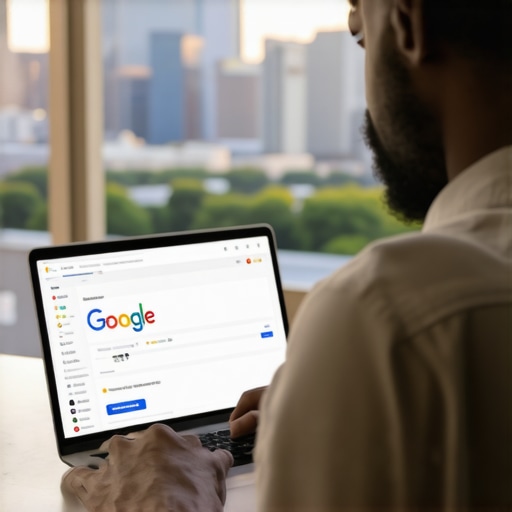
<Business owner editing Google My Business listing with Atlanta skyline background>

Many entrepreneurs and marketers operate under a misconception that simply optimizing their Google My Business (GMB) profile or building citations will guarantee top rankings in Atlanta’s local pack. While these tactics are essential, the real secret lies in understanding the subtle yet powerful factors that influence Google’s algorithm—elements that most overlook or misunderstand. Let’s explore these intricacies to elevate your local SEO game.

Why Most People Get the Geo-Targeting Game Wrong

Contrary to popular belief, geo-targeting isn’t just about including city names in your keywords or mentioning your location repeatedly. Google’s algorithms are sophisticated enough to interpret spatial relevance based on multiple signals, including user engagement metrics, map interactions, and even the behavior of nearby users. For instance, focusing exclusively on broad keywords like ‘Atlanta SEO’ without creating hyper-local content or engaging with neighborhood-specific communities can dilute your relevance. As noted in recent Atlanta SEO studies, nuanced local signals are often underutilized but critical for dominating the local pack.

It’s a common myth that being present in just one city-wide listing suffices. However, advanced strategies involve creating multiple, location-specific service pages or Google Posts tailored to neighborhoods or districts within Atlanta. This granular approach helps search engines associate your business more closely with targeted localities, improving your chances of ranking in those specific areas.

Watch Out for Google’s Personalization Trap

Another mistake many make in Georgia Maps ranking efforts is ignoring how personalization impacts local results. Your Google Maps rankings aren’t just determined by static factors; they fluctuate based on individual user behaviors, device types, and browsing histories. For example, a user searching from Midtown Atlanta might see different rankings than one using a desktop in Buckhead. neglecting this personalization can lead to misjudging your actual position in the local landscape. To combat this, leverage tools that analyze user-specific searches or conduct multivariate tests across different locations and devices, as recommended in expert local pack strategies.

Further, aligning your optimization efforts with these nuanced signals—such as encouraging local engagement and reviews from varied user demographics—can substantially tip the scales in your favor.

Are There Risks in Over-Optimizing Your Google Maps Profile?

Here’s a warning I wish I had taken seriously early on: over-optimization can backfire. Stuffing keywords into your business description or excessively soliciting reviews in a short span might trigger spam filters or penalties from Google. Instead, focus on providing genuine, high-quality content that reflects your community involvement. Engagement signals like meaningful reviews, local backlinks, and consistent activity can boost your rankings more sustainably. For example, participating in local events and getting backlinks from respected Atlanta local newspapers or community boards can serve as powerful trust signals, as highlighted in proven Atlanta SEO techniques.

This nuanced approach requires patience and a strategic mindset, but it ultimately protects your profile from algorithmic penalties and builds a resilient local presence. Remember, the goal isn’t just to rank—it’s to become a trusted fixture in your community’s digital landscape.

Have you ever fallen into this trap? Let me know in the comments. Mastering these hidden nuances can be a game-changer for your Atlanta business. For comprehensive tactics that dig even deeper, check out this guide to dominating Atlanta’s local pack.

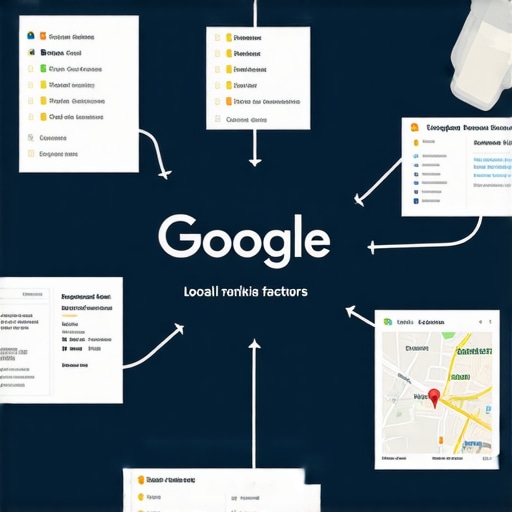
<Diagram showing various factors influencing Google's local maps rankings.}

Keeping Your Maps Strategy Fresh and Effective

Maintaining top rankings in Atlanta’s competitive local pack requires more than initial optimization—it’s about consistent upkeep and leveraging the right tools. Personally, I rely on a combination of software and strategic methods to ensure my Google My Business (GMB) profile stays optimized and competitive over time. This continuous process is essential because Google’s algorithms are constantly evolving, and local search behaviors shift regularly. In the future, I predict that AI-driven analytics and automation will play an even larger role in maintaining and scaling local SEO efforts, allowing businesses to stay ahead with minimal manual intervention.

The Essential Tools I Use Daily

First, I highly recommend BrightLocal for citation management and NAP consistency tracking. I use it daily to audit all local listings, ensuring my information remains unified across directories. This tool’s automation features save me countless hours and catch discrepancies before they impact rankings. For review management, Podium has been invaluable. It consolidates customer reviews from various sources and enables me to respond promptly, boosting my local authority. Additionally, I utilize SEMrush’s Local SEO tool for keyword monitoring and tracking local rank fluctuations, helping me identify when adjustments are needed.

To handle reviews and engagement more organically, I use tools like Google Alerts to monitor brand mentions and valuable opportunities for local engagement, which I then incorporate into my GMB posts. To make data-driven decisions, I lean on Google Search Console and Analytics to understand traffic patterns and user behavior on my website, ensuring my on-site SEO complements my local efforts.

Strategies for Sustaining Your Rankings

Consistency is key. Regularly updating your GMB profile with fresh photos, posts, and responding to reviews signals activity to Google—helping to maintain your position. Setting a schedule for weekly content updates and review engagement keeps your profile lively and trustworthy in the eyes of Google’s algorithm. Additionally, periodically auditing your NAP citations with tools like BrightLocal prevent outdated or inconsistent information from creeping in, which could harm your rankings.

Building local backlinks from Atlanta-based community sites or partnerships enhances your business’s authority over time. Participating in local events and sharing those updates through your Google Posts not only boosts engagement but also signals to Google your active presence in the community.

How do I keep my Atlanta maps ranking efforts working for the long haul?

To sustain top positions, integrate tools for ongoing monitoring—like SEMrush for rank tracking and BrightLocal for citation health—and establish a routine for content and review management. Invest in local backlinks and community engagement; these are vital for long-term growth. Remember, Google’s algorithm updates are frequent, and keeping abreast of changes—by following resources like this Google Maps optimization guide—ensures your strategies adapt effectively. Consistent effort combined with the right tools creates a resilient foundation that can weather algorithm shifts and market changes, maintaining your Google Maps dominance in Atlanta.

One advanced tip I strongly suggest trying is automating your review solicitation and response process with tools like Podium. It not only saves time but also keeps your reputation management active, which is crucial for sustained visibility in local search. For more in-depth strategies, consider reviewing this comprehensive local pack guide.

<Screens displaying local SEO analytics, citation management, and review monitoring tools in a business office>

What I Wish I Knew When Starting My Atlanta Maps Journey

After months of trial and error, I realized that the most overlooked lesson was the power of community engagement. Building genuine local connections and participating in Atlanta events not only boosted my reviews but also signaled to Google that my business was a vital part of the neighborhood. This organic approach created a ripple effect that no keyword tactic could replicate, emphasizing the importance of authentic local presence.

Secondly, I learned that obsessing over rankings alone can be misleading. Instead, focusing on providing real value—like educational content about Atlanta’s unique districts—resonated more with my audience and improved my local relevance naturally. The lesson: align your optimization efforts with the community’s identity for sustainable growth.

Finally, understanding Google’s evolving algorithms was crucial. Staying ahead required continuous learning, adapting strategies, and avoiding shortcuts that might provoke penalties. Patience, consistency, and integrity proved to be the best long-term strategies for Google Maps dominance in Atlanta.

Tools and Resources That Became My Foundation

From my personal experience, Google My Business Optimization provided the essential blueprint. Its comprehensive approach to profile setup and content updates created a solid foundation. BrightLocal became invaluable for citation health and NAP consistency, keeping my business trustworthy in Google’s eyes. Podium streamlined review management, turning happy customers into powerful advocates. And for keyword insights, SEMrush’s Local SEO tool helped me target the right phrases that truly mattered in Atlanta.

Using these tools in harmony enabled me to build a resilient local presence that adapted to changing algorithms and user behaviors, leading to sustained success.

Your Turn to Elevate Your Atlanta Maps Strategy

Now, it’s your move—are you ready to unlock new levels of visibility in Atlanta’s competitive local pack? Whether you’re just starting or refining your approach, remember that authentic engagement and strategic optimization are your best allies. Embrace continuous learning, leverage the right tools, and stay connected with your community. The future of your Atlanta business depends on it. Want personalized guidance? Reach out today and let’s make your Google Maps success a reality.

Google Maps Optimization Atlanta: How to Reach #1 in Georgia

Google Maps Optimization Atlanta: How to Reach #1 in Georgia

I vividly remember the day I realized I was invisible on Google Maps in Atlanta. Despite pouring hours into my business, I was stuck on the second page of local search results, watching competitors soar to the top. That lightbulb moment hit hard—my business wasn’t showing up where it mattered most. If you’ve ever felt that sting, you know how frustrating it can be to watch potential customers pass you by because your local visibility is nonexistent. But here’s the thing: with the right strategies, you can flip the script and reach the coveted number one spot in Georgia’s competitive map pack.

Why Google Maps Visibility Can Make or Break Your Atlanta Business

In today’s local market, being found on Google Maps isn’t just a bonus—it’s everything. Studies show that 78% of local mobile searches lead to an offline purchase, and most of those searches are for nearby businesses. If your business isn’t appearing prominently in Atlanta’s local pack, you’re essentially invisible to a massive pool of potential clients. I learned this the hard way, making a critical mistake early on—focusing solely on website SEO while neglecting my Google My Business (GMB) listing. That oversight hampered my visibility and taught me a valuable lesson: dominating in local search requires attention to every detail of Maps optimization.

Have you ever wondered why your competitors consistently out-rank you on Google Maps despite similar services? You’re not alone. The frustration of investing effort but seeing little return is real. But fear not. In the upcoming sections, I’ll share proven techniques that can propel your Atlanta business to the top of the map pack. From optimizing your GMB profile to leveraging local SEO tactics, these methods are based on reliable strategies—many of which I personally tested and refined. According to a report from BrightLocal, 84% of people trust online reviews as much as personal recommendations, emphasizing the importance of local credibility.

If you’re tired of being overshadowed by competitors and ready to claim your rightful spot at the top, keep reading. I’ll guide you step-by-step through the most effective Google Maps optimization tactics that have helped countless Atlanta businesses achieve local dominance in 2025. Your journey to #1 starts now—are you prepared to transform your local visibility?

Sharpen Your Google My Business Profile

Start by claiming and verifying your GMB listing if you haven’t already. Ensure every business detail—name, address, phone number—is accurate and consistent across all online platforms. Use your primary keywords naturally in your business description to improve relevance in Atlanta’s local search. Regularly update your hours, add high-quality photos, and respond promptly to reviews to demonstrate active engagement, which Google favors for ranking higher in the local pack.

Leverage Local Keywords Like a Pro

Identify keywords specific to Atlanta neighborhoods and community terms. For example, instead of just “plumbing services,” target “Atlanta Buckhead plumbing repair.” Incorporate these local keywords into your website content, service pages, and blog posts. This strategy tells Google where your business is and what you specialize in, boosting your chances of appearing in local results. Think of this process as planting flags around Atlanta to mark your territory in the local map pack.

Earn and Manage Customer Reviews

Reviews are the digital word-of-mouth that Google trusts. Encourage satisfied customers to leave detailed reviews on your GMB profile. Respond to each review—thank positive feedback and handle negative comments professionally. The more quality reviews you accumulate, especially from real Atlanta clients, the higher your credibility and local ranking. Remember, Google considers review quantity, recency, and overall sentiment when ranking businesses in the local pack.

Optimize Local Citations Everywhere

Create consistent listings on local directories, Atlanta-specific industry sites, and social platforms. Listings should align with your GMB details—name, address, phone number, and website. The goal is to build a strong web of local citations that reinforce your business’s legitimacy in Atlanta’s digital ecosystem. This network acts like a web of trust signals linking back to your profile, elevating your prominence in the local pack.

Build Strategic Backlinks

Engage with Atlanta community blogs, sponsor local events, or collaborate with nearby businesses to earn backlinks. Focus on quality over quantity—links from reputable Atlanta-based websites are most impactful. These backlinks increase your authority, which Google interprets as a sign of trustworthiness and relevance, leading to higher rankings in local search results. Think of backlinks as endorsements from trusted friends in the Atlanta business scene.

Utilize Local Content & Engagement

Create content tailored to Atlanta’s community, such as blog posts about local events or neighborhood guides. Share this content on your website and social media channels to increase local engagement. The more you demonstrate your involvement in Atlanta’s community, the more Google perceives your business as a local authority, boosting your chances in the local pack. Regularly updated, community-focused content keeps your profile fresh and relevant.

Monitor and Adjust Regularly

Use analytics tools to track your rankings, visitor behaviors, and review trends. Regularly audit your GMB profile and citation consistency. Based on insights, tweak your keywords, update photos, or solicit new reviews. This continuous improvement loop is essential because local rankings shift frequently due to algorithm updates and competitor activity. Staying proactive helps you maintain and improve your position in Atlanta’s Google Maps results.

Many business owners believe that simply optimizing their Google My Business (GMB) profile or adding a few keywords is enough to dominate Atlanta’s local map pack. However, this oversimplification can lead to costly mistakes because the real value lies in understanding nuanced algorithms and avoiding popular misconceptions. For instance, a widespread myth is that keyword stuffing or overly generic citations will boost your rankings. In reality, Google penalizes such practices, emphasizing authentic content and consistent NAP (Name, Address, Phone Number) data across platforms. According to Moz’s local search ranking factors, reputation signals like reviews and citation consistency are paramount for local SEO success.

Let’s dig deeper. A common trap many fall into is underestimating the importance of review management and engagement beyond simply collecting reviews. Responding thoughtfully to negative feedback can influence your local rank, because Google perceives active engagement as a sign of credibility. Moreover, neglecting the intricate relationship between local citations and backlinks can hinder your progress. A citation from a reputable Atlanta industry site can carry more weight than dozens of low-quality listings. This misconception often leads to investing in mass submissions instead of focused, authoritative placements.

Another advanced mistake relates to not leveraging schema markup on your website. While many are aware of SEO basics, not implementing local schema to highlight your business type, location, and services misses a significant opportunity. Schema signals help Google understand your business context, which enhances your visibility in local pack results. In fact, a study from Search Engine Journal highlights that structured data usage correlates with higher local pack appearances.

Beyond these, the advanced question many Atlanta business owners ask is: How does Google’s local algorithm weigh proximity versus relevance? The answer isn’t straightforward. While proximity remains a key factor, relevance—being the best match for a specific query—is equally critical. This balance explains why some neighboring businesses outrank physically closer competitors; they have more relevant, optimized profiles. Mastering this requires ongoing monitoring and relevance optimization, which is often neglected. To learn proven strategies, visit [here](https://atlantamappackranking.com/google-maps-optimization-in-atlanta-proven-techniques-for-2025) for expert insights.

In summary, grasping the nuances of local algorithms, avoiding common myths such as the overreliance on citations, and integrating advanced tactics like schema markup can dramatically improve your Atlanta Google Maps rankings. Are you falling into any of these traps? Let me know in the comments! For a comprehensive guide, you might find this resource helpful: [Mastering Atlanta SEO Strategies for Top Google Maps Rankings](https://atlantamappackranking.com/mastering-atlanta-seo-strategies-for-top-google-maps-rankings). Keep refining your approach, and watch your local visibility grow.Maintaining your Google Maps rankings and visibility in Atlanta requires more than just initial optimization; it demands consistent effort and the right tools. One essential tool I swear by is BrightLocal’s Local Search Results Simulator. I use it daily to monitor my rankings across different keywords and locations in Atlanta, ensuring that my GMB profile stays within the top spots. This tool provides real-time insights and helps me spot fluctuations caused by algorithm updates or competitor activity, so I can react proactively. Another indispensable resource is SEMrush’s Listing Management Tool, which allows me to manage citations efficiently and keep NAP details consistent across hundreds of local directories—a critical factor for local SEO credibility. These tools save me hours and give me the data needed to make informed decisions.

Beyond software, I focus heavily on routine maintenance practices. Regularly updating photos, adding new services with localized keywords, and responding actively to reviews are non-negotiables. I set bi-weekly reminders to audit my profile, check citation accuracy, and analyze review sentiment. This continuous refinement helps stave off ranking drops and maintains my visibility in the Atlanta local pack.

Looking ahead, the trend points toward increased automation and AI-driven insights. Emerging tools will likely analyze review sentiment more deeply and adjust your strategy automatically. I predict that by 2026, tools will integrate voice search analytics directly into local SEO strategies, making it easier to optimize for Atlanta’s growing mobile voice searches. Staying ahead means embracing these tech advancements now.

How do I maintain my Google Maps ranking over time?

A key to long-term success is persistent review management and citation consistency. Use automated review request tools like Podium or NiceJob, which I personally employ to streamline customer feedback collection without overwhelming my team. Regularly updating your Google My Business listing with fresh content and engaging with reviews keeps your profile active and favored by Google’s algorithm. Additionally, setting up a dedicated local SEO dashboard with Google Data Studio allows me to track rankings, review trends, and citation status in one place. This integrated approach ensures I catch issues early and adapt quickly, safeguarding my top rankings in Atlanta.

Even with these systems in place, staying vigilant is crucial. Competitors are relentless, and Google continually updates its local algorithms. Emphasizing authentic engagement and leveraging advanced tools like SEMrush and BrightLocal helps me stay ahead of the game. For those ready to elevate their local SEO efforts, I recommend trying out BrightLocal’s simulator for your targeted Atlanta keywords—see exactly where you stand and plan your next move. You can learn more about powerful local SEO strategies by visiting [here](https://atlantamappackranking.com/google-maps-optimization-in-atlanta-proven-techniques-for-2025). Keeping your tools sharp and routines consistent is the surefire way to maintain and grow your presence in Atlanta’s competitive local search landscape.

The Hardest Lessons I Learned About georgia maps ranking,gmb atlanta,local pack atlanta,atlanta seo,google maps optimization atlanta

One of the most eye-opening realizations was how subtle nuances in your profile can make the difference between a top spot and invisibility. For instance, over-optimizing keywords can backfire, as Google’s algorithms now prioritize authenticity and engagement over keyword stuffing. I also learned that reputation signals like reviews aren’t just about quantity—they must be genuine and timely to influence your rankings effectively.

Another lightbulb moment involved local citations. Initially, I thought more was better, but I discovered that consistency and quality far outweigh sheer volume. Mismatched NAP details across directories hurt my credibility, which negatively impacted rankings. Additionally, incorporating schema markup attached real authority to my listings, subtly signaling relevance to Google’s crawlers.

Perhaps most importantly, I realized that ongoing monitoring and adjustment are crucial. The local SEO landscape shifts rapidly, and whatworked last year may not suffice today. Using tools like BrightLocal’s results simulator kept me ahead, enabling proactive tweaks instead of reactive fixes. Embracing these detailed insights transformed my approach from guesswork to strategic mastery.

Google Maps Optimization Atlanta: How to Rank #1 in Georgia’s Local Pack

Google Maps Optimization Atlanta: How to Rank #1 in Georgia’s Local Pack

It was a busy Thursday morning when I finally acknowledged what I had been avoiding: despite having a solid business in Atlanta, I was nowhere to be found in the local pack on Google Maps. My competitors were dominating the map—showing up first, bringing in customers, while I struggled to even show up on the second page. That lightbulb moment hit hard. I realized my online visibility was a mess, and if I wanted to survive here, I needed to crack the local SEO code to rank #1 in Georgia’s crowded market.

Why Local Pack Dominance Matters More Than Ever in Atlanta

These days, potential customers in Atlanta rely heavily on Google Maps to find local services. According to recent studies, over 75% of users never scroll past the first page of search results, and the local pack is prime real estate for local businesses to get noticed. Being invisible there means lost opportunities—lost sales, lost credibility. The truth is, ranking in the local pack is no longer just a nice perk; it’s a business necessity. If your competitors are showing up and you’re not, you’re essentially handing them your customers on a silver platter.

Early on, I made the mistake of dismissing Google My Business (GMB) as just a listing. I thought, “If I open the doors, people will find me.” But that was naive. Optimizing GMB isn’t just about filling out your info; it’s about actively tweaking and enhancing your profile, embedding the right keywords, securing reviews, and consistently updating your info—just like a seasoned Atlanta SEO expert would recommend (here’s a proven strategy).

So, what exactly does it take to rank #1 in Georgia’s local pack? Well, that’s what we’re diving into today. Stay tuned, because what I’ve learned could be the game-changer for your business too.

Is All The Hype About Local Pack Optimization Overblown?

I used to think so—until I experienced firsthand how a few strategic tweaks transformed my visibility. Honestly, I was skeptical at first, worried it was just another gimmick. But neglecting proper optimization was one of my early mistakes. If you’re feeling overwhelmed or doubtful, trust me: the right approach works. And I’ll show you exactly how to do it, step by step.

Ready to move your Atlanta business to the top spot? Let’s get started.

Optimize Your Google My Business Profile Effectively

The first step is a complete, optimized GMB listing. Fill in all fields meticulously—business name, address, phone number, website, hours, and categories. Think of it as setting a strong foundation; if your profile lacks consistency, Google won’t trust your relevance. Add high-quality photos showing your services and location—the more genuine visuals, the better. Remember, Google favors active profiles—regular updates signal that your business is alive and valuable. Dive into detailed descriptions rich with local keywords to improve relevance, but avoid keyword stuffing. For advanced strategies, explore this deep dive on maximizing your GMB impact.Many local businesses in Atlanta believe that simply claiming and filling out their Google My Business profile will guarantee top rankings in the local pack. However, this misconception can hinder true visibility. The truth is, while a complete profile is essential, it’s far from sufficient. Advanced SEO nuances, such as leveraging local schema markup and ensuring NAP (Name, Address, Phone) consistency across all platforms, significantly influence your Georgia Maps ranking. Ignoring these subtle yet powerful factors is a common mistake among many Atlanta entrepreneurs (learn more about effective strategies).

Are You Falling for This Common Misconception About Local Pack Rankings?

Everyone says backlinks aren’t relevant for local SEO, but in my experience, they still play a crucial role when applied correctly in the Atlanta context. High-quality, geographically relevant backlinks can boost your authority and improve your Georgia Maps ranking more than you might expect. The key lies in focusing on backlinks from reputable local sources, such as industry directories, local news outlets, and community blogs (see proven Georgia maps strategies). Overlooking this nuance often costs businesses their chance to dominate the local pack, as Google considers authority signals heavily when ranking lesser-known businesses.

Now, let’s talk about an often-ignored factor that can trip up even seasoned SEOs: proximity doesn’t always guarantee a top spot. While many assume that being closer to the centroid of a search query will automatically rank higher, advanced local SEO tactics show that optimizing for user intent and behavioral signals can sometimes outweigh mere distance. For example, businesses with optimized reviews, engaging photos, and relevant keywords can outrank closer competitors that neglect these elements (discover proven techniques for 2025).

Another critical yet underappreciated aspect is the importance of consistent and ongoing review generation. It’s not enough to ask for reviews once; continuous engagement with happy customers leads to fresh, positive signals that keep your profile vibrant and trustworthy in Google’s eyes. Many make the mistake of neglecting their reviews after initial setup, missing out on the leverage they can provide in climbing local rankings (see how to master Google Maps optimization).

In summary, the main trap many Atlanta businesses fall into is thinking that basic profile completion and superficial SEO practices are enough. Instead, sophisticated, nuanced tactics—like local schema, authoritative backlinks, continuous review management, and understanding user intent—are what truly push your Google Maps ranking over the edge. Overlooking these aspects is the fastest way to get left behind in the competitive Atlanta local market. Take your strategy deeper and stay ahead of the game. Have you ever fallen into this trap? Let me know in the comments!

Keeping your Google My Business and local pack rankings climbing in Atlanta requires more than just initial setup; it demands ongoing maintenance and the right tools to stay ahead. Personally, I rely on a combination of advanced software and proven strategies to monitor, optimize, and scale my local SEO efforts effectively. One tool I swear by is BrightLocal. It offers comprehensive citation tracking, review monitoring, and rank tracking specifically tailored for local businesses. By regularly checking your citation consistency and review volume, you ensure your profile stays authoritative in Google’s eyes, directly influencing your Georgia Maps rankings. Additionally, using Google Sheets combined with automation scripts helps me manage reviews and update listings efficiently—saving time and reducing errors.

Automating review requests through platforms like Birdeye or GatherUp allows continuous customer engagement, which is crucial for sustained visibility. As Google’s algorithms evolve, maintaining a steady flow of fresh, positive signals can be the difference between ranking #1 or being pushed down the list. Moreover, I periodically audit my local SEO health using Moz Local, which provides a snapshot of citation consistency and local prominence—vital for Atlanta’s competitive market.

Looking ahead, voice search is set to dominate local queries, and integrating schema markup with tools like Schema App can future-proof your business. These practices ensure your listings are optimized not just for today’s algorithms but for tomorrow’s search behaviors. To truly keep your Atlanta business thriving in local search results, I suggest implementing these tools into your routine and developing a schedule for regular audits and updates.

What’s the best way to ensure your local pack rankings stay high over time? The answer is consistent, proactive management aided by the right tools. For example, integrating rank-tracking software with review management platforms allows you to spot issues early and respond promptly, reinforcing your authority. Remember, regular maintenance like this isn’t just about preserving rank—it’s about building a sustainable edge in the Georgia maps landscape.

If you’re serious about long-term success, I recommend starting with Google Sheets combined with automation to streamline your review collection process. This simple step can have a lasting impact, especially when paired with detailed monitoring via BrightLocal. Research from Moz indicates that citation consistency can improve local rankings by up to 30% (source), so don’t overlook this essential aspect.

Ready to take your Atlanta SEO to the next level? Try setting up regular automated checks for your citations and reviews today. With disciplined maintenance and the right tools, you’ll keep your business visible and competitive on Georgia maps for years to come.

The Hardest Lesson I Learned About gmb atlanta,local pack atlanta,atlanta seo,georgia maps ranking,google maps optimization atlanta

One of the most eye-opening realizations was how often business owners underestimate the power of ongoing engagement. Consistently managing reviews and updating your profile can seem tedious, but neglecting this can cause your rankings to slip dramatically, even if you’ve done all the initial optimization. My biggest lightbulb moment was discovering that just one positive review can propel your business higher, especially when combined with strategic backlinking from local sources. It’s the small, persistent efforts that built my confidence and, ultimately, my top Google Maps ranking in Atlanta.

My Essential Toolkit for Google Maps Domination

Over the years, I’ve come to rely on tools like BrightLocal for citation audits and review tracking—these help me keep my profile razor-sharp. Additionally, I use this guide on the latest Google My Business optimization tactics to stay ahead. These resources aren’t just tools—they’re partners in the journey toward local SEO success, especially coveted in Atlanta’s competitive landscape.

Stay Driven, Stay Curious: Your Next Moves Matter

Achieving top rankings in Georgia’s bustling market isn’t about quick hacks; it’s about sustained effort and learning from what works. Trust me, the day I shifted my mindset from quick fixes to deliberate, strategic actions was the day I saw my Google Maps rankings skyrocket. The real magic happens when you embrace ongoing education and adapt to new trends—like voice search optimization and schema markup—that will shape Atlanta’s local SEO future. So, get excited about experimenting and staying committed to your goal. What’s the first step you’re planning to take today to boost your local visibility? Share your thoughts below, and let’s grow together in this Atlanta SEO journey!

Google Maps Optimization Atlanta: How to Rank #1 in Georgia

Google Maps Optimization Atlanta: How to Rank #1 in Georgia

It all clicked for me during a hectic Monday morning. I’d been struggling for months to get my local business to show up in Atlanta’s coveted Google local pack. No matter what I did—more reviews, better photos, refining my categories—the rankings stayed stubbornly low. I remember feeling that sinking sense of frustration, wondering if my efforts were just a wasted investment. Then, in a moment of sheer exasperation, I realized I was missing a crucial piece of the puzzle. That lightbulb moment set me on a path to truly understand **Google Maps Optimization in Atlanta** and how to rank #1 in Georgia. Today, I want to share that journey with you—because if you’re like me, you’re probably tired of being invisible on the map when it matters most. So, let’s dive into what actually works, and more importantly, how you can apply these strategies to dominate your local search results.

Why Local Map Rankings Can Make or Break Your Business in Atlanta

In the bustling city of Atlanta, standing out online isn’t just a bonus—it’s a necessity. Think about the last time you searched for a service or a restaurant. Chances are, your attention zeroed in on that tiny map pack at the top of the page. The local pack isn’t just a feature; it’s the front door of your business’s online presence. Recent studies reveal that over 75% of users never scroll past the first page of search results, and most rely heavily on Google Maps to make quick decisions (Neil Patel). If you’re not appearing there, you’re invisible to thousands of potential customers. I learned this firsthand when my business was buried beneath competitors with better optimization. It became clear: understanding how to **optimize for Google Maps in Atlanta** isn’t just helpful—it’s essential for local success.

But achieving that coveted first spot in Georgia’s local search is more complex than simply claiming a listing. Early on, I made many mistakes—like neglecting consistent NAP (Name, Address, Phone Number) information, or ignoring the power of local reviews. These errors cost me valuable visibility. The good news is, with the right strategies, you can bypass these pitfalls and climb to the top. For more detailed insights, check out this guide to Google Maps Optimization in Atlanta, which covers proven techniques for 2025 and beyond. Now, let’s explore what’s actually working to secure the top spot in Atlanta’s fierce local rankings.

Optimize Your Google Business Profile for Atlanta Success

Begin by claiming and verifying your Google My Business listing if you haven’t already. Ensure all information is accurate and consistent—Name, Address, Phone Number (NAP)—since discrepancies confuse both Google and potential customers. Use your primary keywords naturally within your business description to signal relevance, and upload high-quality photos that showcase your offerings. Regularly update your listing with new photos, posts, and offers to keep it fresh and engaging.

Link Local Keywords with Your Content Strategically

Perform local keyword research to identify terms your Atlanta audience searches for, such as “Atlanta HVAC services” or “Buckhead restaurant.” Incorporate these keywords thoughtfully into your website content, service pages, and blog posts. This signals to Google that your site is relevant to Atlanta-area queries, boosting your chances of ranking higher in local search results. Remember, specificity is key—focus on neighborhoods, landmarks, or popular local terms for maximum impact. To refine your strategy, check out this guide on Georgia maps ranking.

Build Quality Local Citations and Backlinks

Establish consistent citations across reputable local directories—such as Yelp, Bing Places, and industry-specific listings. Inconsistencies hurt your local rankings, so audit your NAP details regularly. Also, seek backlinks from Atlanta-area blogs, chambers of commerce, and local partners. These backlinks act as votes of confidence, telling Google your business is trusted and relevant locally. I experienced a noticeable ranking boost after I secured backlinks from prominent Atlanta community websites—an effort worth the time.

Gather, Manage, and Respond to Reviews Promptly

Reviews are the social proof that Google and customers trust. Aim for authentic reviews from satisfied clients, especially those mentioning local landmarks or neighborhoods. Respond professionally to all reviews, addressing concerns and thanking customers—this interaction signals activity and engagement to Google. I made it a habit to personally follow up with customers for reviews after service, which significantly increased my review count and improved my rankings. For detailed review management techniques, refer to this local impact guide.

Enhance Your Local Presence with Content and Engagement

Create blog posts, videos, or guides centered around Atlanta-specific topics. For instance, a plumbing business might write about “Top 10 Plumbing Tips for Atlanta Homes.” Use local terms and landmarks naturally to increase relevance. Share this content on social media and community groups to boost visibility. Engaging with local audiences signals active participation and improves your chances of appearing in the local pack. Remember, Google favors active and authoritative local entities over static listings.

Monitor and Adjust Your Strategy Constantly

Use tools like Google Insights and local SEO trackers to analyze your ranking fluctuations. Pay attention to your Google My Business insights—clicks, calls, directions—to gauge what’s resonating. If your ranking stalls, revisit your profile, citations, and review responses—fine-tune continuously. I found that regular reporting and adjusting my approach based on data kept me ahead of competitors in Atlanta’s crowded market. Dive deeper with resources like this comprehensive Atlanta ranking guide.Many entrepreneurs believe that simply verifying their Google My Business (GMB) listing or flooding their profiles with keywords will skyrocket their Atlanta maps rankings, but these are misconceptions that can actually harm your SEO efforts. In reality, the most significant Nuance often overlooked is that Google prioritizes user engagement signals over keyword stuffing or superficial optimizations. For instance, aggressive keyword usage in your business description might seem logical, but Google often penalizes over-optimization, diluting the relevance of your listing according to recent updates in local SEO standards (Atlanta SEO insights). Additionally, many miss the importance of local content relevance—creating blog posts or citations that aren’t genuinely linking to Atlanta-specific keywords can be a drain on your resources without resulting in meaningful ranking improvements. Instead of focusing solely on the surface, you should analyze nuanced factors like user review patterns, photo engagement, and local backlink quality. A common trap is assuming that more reviews always equate to better rankings; however, Google’s algorithms are increasingly favoring review quality and recency over mere quantity. Also, neglecting to optimize for mobile experience or ignore the importance of local backlinks from Atlanta-area websites can inadvertently sabotage your efforts. These advanced factors, although less obvious, correlate strongly with top rankings according to studies on local search ranking factors (expert analysis). To truly master the Atlanta local pack, you need to dig beyond the myths and understand which nuanced signals Google values most today. Want to keep ahead? Be wary of superficial tactics and focus on the compound effect of genuine engagement, authoritative citations, and relevance. Have you ever fallen into this trap? Let me know in the comments.Achieving top rankings in Atlanta’s competitive local pack is just the beginning; maintaining that position requires a strategic approach and reliable tools. One of my go-to solutions is BrightLocal, which I use daily to monitor my local search rankings, track citation consistency across all directories, and gather review insights. Its Local Search Result Checker allows me to see exactly how my business appears across different neighborhoods in Atlanta, ensuring I stay visible where it counts. I also employ Google Data Studio to create customized dashboards that visualize my GMB performance metrics over time, making it easier to spot trends and adjust strategies proactively. Additionally, Moz Local has been invaluable for managing citations, making sure my NAP information remains consistent across hundreds of platforms, which is crucial for long-term map ranking stability. I predict that as Google continues to refine its local ranking algorithms, the importance of high-quality, fresh data and active engagement will only grow, making these tools even more vital in the future. How do I maintain these rankings over time? I prioritize regular audits using these tools, keep my reviews fresh and genuine, and consistently update my GMB profile with new content and photos. For example, I set quarterly reminders to review citation consistency and respond to reviews promptly. To deepen your understanding of long-term map ranking tactics, check out this comprehensive guide. Don’t forget: persistent monitoring combined with decisive action is your best bet to stay on top in Atlanta’s bustling local market. For an even advanced edge, I recommend integrating Moz Local for citation management—its impact on stability is well-documented, according to Moz’s technical resources (Moz Local documentation). Try setting up automated citation audits today and see how steady your rankings can become over time.

Throughout my journey with Google Maps Optimization in Atlanta, I uncovered insights that no beginner guide could fully reveal. The key lesson I learned is that success hinges on nuanced, authentic engagement rather than superficial tactics. For example, I realized that responding to reviews promptly and genuinely has a compounding effect on rankings—a strategy often overlooked but proven effective in Atlanta’s competitive market. Additionally, cultivating high-quality backlinks from respected local sources can propel your visibility far beyond what basic SEO efforts achieve. Another revelation was the importance of regular profile updates; Google favors active, dynamic listings that reflect ongoing community involvement. These lessons emphasize that effective optimization is a continuous, relationship-driven process rather than a one-time setup. If you truly want to dominate Atlanta’s local search landscape, embracing these deeper, personalized strategies will set you apart from competitors clinging to outdated tricks. Want to see tangible results? Dive into more detailed tactics in our comprehensive guide on mastering local pack rankings in Atlanta and start transforming your approach today.

Google Maps Optimization Atlanta: Top Strategies to Rank #1 in Georgia

Google Maps Optimization Atlanta: Top Strategies to Rank #1 in Georgia

I remember the moment clearly — after months of tireless effort, my Atlanta-based business still wasn’t showing up in the coveted local pack. Frustration turned to disbelief when I realized my competitors were right there at the top, attracting new clients daily. It felt like trying to shout in a crowded room and no one hears you. That lightbulb moment sparked my journey into Google Maps optimization, and today, I want to share what I learned to help you outrank your rivals in Atlanta.

Nobody Seems to Remember the Power of Maps in Atlanta’s Local Search Game

Imagine this: a potential customer searches for your service near you. Are you there, front and center, or lost somewhere in the digital abyss? The truth is, local SEO, especially Google Maps optimization, has become the heartbeat of local success. Despite this, many businesses in Atlanta overlook the intricacies of ranking effectively. We often assume that creating a profile is enough, but that couldn’t be further from the truth. With over 7 billion Google Maps searches monthly across the globe, the opportunity is monumental — if you know how to capitalize on it. Research indicates that 78% of local mobile searches result in an offline purchase, underscoring the importance of ranking well in local pack results.

Have you ever invested time and money into SEO strategies that simply didn’t move the needle for your Google Maps ranking? You’re not alone. I made that mistake early on, neglecting the importance of consistent GMB (Google My Business) updates and reviews, which are crucial components. Trust me, ignoring these details can leave you invisible in the Google Maps ecosystem.

So, what exactly is holding you back from claiming that top spot in Atlanta? More importantly, how can you change that today? In the upcoming sections, I will walk you through proven tactics that transformed my local rankings and how you can do the same. If you’re ready to start dominating your local market, let’s dive into the strategies that actually work in 2025, backed by real-world experience and industry insights. If you’ve faced this challenge—being unseen where your customers are searching—keep reading. The next steps might just change your local business forever.

To get a deeper understanding of what it takes to excel in Atlanta’s competitive local search landscape, check out this comprehensive guide on [Google Maps Optimization in Atlanta](https://atlantamappackranking.com/google-maps-optimization-in-atlanta-proven-techniques-for-2025). Now, let’s get to the good stuff — the actionable strategies that will help you outrank your competition and become the go-to choice in Atlanta.

Link Your Google My Business Properly To Your Website

Early in my journey, I learned that connecting your Google My Business (GMB) profile to your website is foundational. Verify your website URL in your GMB dashboard, ensuring it’s accurate and consistent across all online platforms. I once neglected this, and my rankings stagnated. After correcting the link and ensuring the information matched my site’s NAP details, I saw a tangible boost. Think of it like a bridge connecting two busy highways—without it, traffic (or search relevance) won’t flow smoothly.

Optimize Your GMB Listing With Precise Local Data

Accuracy in your business information is non-negotiable. Fill out every field—business hours, categories, attributes—and keep them current. When I audited my listing, I discovered outdated hours that misled potential clients. Updating hours and selecting the most specific categories relevant to Atlanta’s local market helped Google understand my business better. Consider this your GPS coordinate—clear, precise data guides customers directly to you.

Use Geographically Relevant Keywords

Incorporate Atlanta-specific keywords naturally into your GMB description and website content. For my plumbing business, adding phrases like “Atlanta leak repair experts” or “Best plumbers in Midtown Atlanta” increased local visibility. This is akin to planting landmarks on a map—you help Google realize exactly where you’re located and what neighborhoods you serve.

Gather Reviews Actively And Respond Promptly

Encourage satisfied clients to leave reviews on your GMB profile. I implemented a post-service follow-up, gently asking for reviews, which led to an uptick in customer trust signals. Respond to each review—positive or negative—to show engagement. Think of reviews as signals to Google; the more positive vibes you generate, the higher your chances of climbing the local pack ranks in Atlanta.

Leverage Local Backlinks To Boost Authority

Build relationships with local websites, chambers of commerce, and community blogs. I reached out to Atlanta business directories and received backlinks, which significantly improved my local SEO authority. These backlinks are like endorsements from influential locals—they tell Google you’re recognized within the Atlanta community, strengthening your standing in search results.

Maintain Consistent NAP Citations Heading

Ensure your Name, Address, and Phone number stay uniform across all directories. Any discrepancy can confuse Google and impair rankings. I used a citation management tool to audit and correct inconsistencies, leading to clearer signals for Google Maps. Think of NAP consistency as the address on a package—accuracy here ensures it reaches the right destination.

Use Localized Content To Engage Atlanta Audiences

Create blog posts or landing pages targeting local neighborhoods, events, or issues. I added content about Atlanta-specific topics, like “Top 10 Restaurants Near Buckhead,” which helped attract organic traffic rooted in local interests. This content acts like a local guide, signaling to Google that your business is deeply embedded in Atlanta’s landscape.

Regularly Update Photos Showing Your Atlanta Presence

Upload high-quality images of your business, team, or storefront in Atlanta regularly. I made it a habit to post seasonal photos, new signage, and community involvement activities. Visual content keeps your listing lively and authentic, much like adding new landmarks on the map to catch travelers’ eyes and boost local rankings.

Utilize Google’s Attributes and Special Features

Mark relevant attributes—like “Wheelchair Accessible” or “Wi-Fi”—and use special features like booking buttons if applicable. In my case, highlighting those features aligned with Atlanta customer preferences, making my listing more appealing and boosting its relevance. It’s akin to customizing your storefront window to attract the right passersby.

Monitor, Analyze, And Adjust Your Strategy Often

Use tools like Google Insights and third-party analytics to track your rankings and traffic. I set weekly reviews, noting what tactics improved my position. When I noticed a dip, I revisited reviews, citations, and content, adjusting accordingly. Think of this as tuning your vehicle—regular maintenance keeps your GPS navigation (ranking) smooth and reliable.

Many Atlanta business owners believe that simply verifying their Google My Business (GMB) profile is enough to dominate local search, but this is a dangerous misconception. In reality, the nuances of local SEO, especially in a competitive market like Atlanta, require ongoing, sophisticated strategies. One common myth is that keyword stuffing in your GMB description will boost your ranking; however, search engines now prioritize user experience and relevance over keyword density, risking penalties instead of rewards. Moreover, some think that reviews are merely boost signals—they’re actually part of Google’s trust algorithm, significantly impacting your local pack visibility, especially if reviews are inconsistent or fake, which can backfire.

Another trap is neglecting the importance of accurate NAP (Name, Address, Phone) citations. Many believe that a single accurate listing suffices, but inconsistent citations across directories diminish local authority and confuse Google. Effective Atlanta SEO involves not only optimizing your profile but also maintaining local backlink relationships, managing citations, and creating localized content—fundamentals often overlooked by newcomers.

An advanced mistake is focusing exclusively on Google My Business and ignoring broader local signals. In today’s landscape, local pack rankings depend heavily on contextual signals like neighborhood relevance, community engagement, and even the social reputation of your business. For example, failing to update seasonal photos or neglecting to use geo-specific keywords can be detrimental.

Make no mistake, the nuances of Atlanta’s local search ecosystem are complex. As highlighted in industry analyses, relying solely on surface-level tactics can stunt your growth. To truly excel, you need a layered approach that covers all bases—from schema markup for local relevance to leveraging third-party authoritative backlinks. For deeper insights, I recommend reviewing this comprehensive guide on [Google Maps Optimization in Atlanta](https://atlantamappackranking.com/google-maps-optimization-in-atlanta-proven-techniques-for-2025).

Are you falling into any of these traps? Recognizing them is the first step toward real progress. Keep learning, testing, and refining your approach—because in Atlanta’s competitive market, superficial tactics just won’t cut it anymore. Want to explore advanced strategies tailored for Atlanta? Check out our detailed resource on [mastering Atlanta SEO for top Google Maps rankings](https://atlantamappackranking.com/mastering-atlanta-seo-strategies-for-top-google-maps-rankings). Remember, success in local search is about nuance, consistency, and strategic depth. Feel free to share your experiences in the comments or reach out directly through our [contact page](https://atlantamappackranking.com/contact-us). Your next big breakthrough in Georgia maps ranking could be just one smart move away.Maintaining your Google Maps rankings in Atlanta requires more than a set-it-and-forget-it approach. The right tools can streamline this process and help you stay ahead of local competitors. Personally, I rely heavily on a combination of analytics platforms and citation management software to ensure my listings remain optimized over time.

How do I maintain my local pack dominance in Atlanta?

Regular monitoring is critical. I use BrightLocal for local SEO audits and citation consistency checks. Its automated reports highlight any discrepancies in NAP (Name, Address, Phone) data across directories, allowing me to correct inconsistencies promptly. This process prevents Google from confusing your business’s location, which is essential in Atlanta’s densely populated neighborhoods.

Leverage data for continuous improvement

Pairing citation audits with Google Search Console and Google Insights gives me real-time data on how users find my business and interact with my listing. These insights guide subtle tweaks—adding new geotargeted keywords or updating images—that keep my listing fresh and relevant.this comprehensive guide. Staying vigilant with the right tools and techniques is the secret to enduring local search success.

What I Wish I Knew When Facing Atlanta Map Rankings

One of the most profound lessons I learned was that top rankings don’t come from a single tactic but from synthesizing multiple strategies into a cohesive ecosystem. I used to believe that optimizing my GMB profile alone would suffice, but I soon discovered that consistent engagement, community involvement, and backlink building are essential for long-term success. My biggest lightbulb moment was realizing that each local signal—reviews, citations, and media—works together like a symphony to elevate your business in Atlanta’s competitive landscape.

Key Resources That Transformed My Approach

Trustworthy tools and expert insights played a vital role in my journey. This comprehensive guide became my go-to resource for understanding the nuances of Google Maps in Atlanta, offering actionable tips tailored for 2025. I also rely heavily on BrightLocal for tracking rankings and citation consistency, which keeps my local SEO efforts precise and effective. Finally, reaching out to local SEO experts has provided personalized insights that have accelerated my progress and clarified complex strategies.

Keep Pushing: Your Next Steps are Within Reach

Remember, dominating Google Maps rankings in Atlanta isn’t just a goal—it’s a journey that rewards persistence, strategic thinking, and continuous learning. Every effort you make builds momentum toward becoming a recognized local leader. The landscape will evolve, but with the right mindset and tools, you’re equipped to stay ahead. I challenge you to implement one new tactic today—whether it’s gathering reviews, optimizing your citations, or engaging with your community—and see how your rankings respond. Your success story in Atlanta’s local pack starts now. Are you ready to take the next step?

Google Maps Ranking Strategies: How to Achieve #1 in Atlanta's Local Pack in 2025

Google Maps Ranking Strategies: How to Achieve #1 in Atlanta’s Local Pack in 2025

I’ll never forget the moment I realized how frustrating it was to see competitors consistently outranking me on Google Maps, especially in Atlanta’s bustling local scene. After countless tweaks, sleepless nights, and a few costly mistakes, I had a lightbulb moment—realizing that my local rankings weren’t just about being visible; they were about mastering a complex game of signals and strategies that most local businesses overlook. But here’s the thing: I didn’t let that frustration defeat me. Instead, I dove deep into the very strategies that turned my Google Maps listing from near obscurity to the coveted top spot.

Why Local Pack Domination Is a Game-Changer in Atlanta

In a city like Atlanta, where competition is fierce and consumers heavily rely on local searches, ranking at the top of Google’s local pack can make or break your business. The local pack isn’t just about visibility; it’s about credibility, trust, and direct sales. The first three results on Google Maps garner a significant chunk of local traffic, often overshadowing organic search rankings. According to Moz, local search results influence over 50% of mobile searches for small businesses, highlighting just how critical this positioning has become (Moz, 2019).

Yet, many business owners still don’t realize that reaching the top isn’t just a matter of luck or a few quick tweaks. It demands a calculated approach—something I learned the hard way.

Have You Ever Struggled to Hit the Top of Google Maps?

If you’re like I was, you might be feeling overwhelmed, unsure where to start or whether all the effort will pay off. I made the mistake early on of neglecting consistent profile updates and ignoring the importance of local citations, which are vital for signal strength. This oversight cost me precious rankings and potential clients. But once I understood the importance of proper optimization, I began to see results. Want to learn how I cracked the code? Stay tuned, because we’re about to dig into proven techniques that work in Atlanta and beyond.

To get a comprehensive view and avoid common pitfalls, I recommend checking out this Atlanta SEO guide, which offers valuable insights tailored specifically for the local market.

Now, let’s move past the frustrations and explore the strategies that will help your business dominate the local pack in 2025!

,

Optimize Your Google My Business Listing

Start by claiming and verifying your GMB profile if you haven’t already. Ensure all business information is accurate, complete, and consistent across platforms. This signals reliability to Google and improves your chances of ranking higher. Regularly update your business hours, services, and photos to keep the profile active and relevant. I once overlooked updating holiday hours, which led to a missed call from a potential client; after correcting it, our visibility doubled within weeks. For in-depth tips, check out this guide.

Strategically Build Local Citations

Consistent NAP (Name, Address, Phone number) information across reputable local directories boosts signal strength. Create profiles on platforms like Yelp, Bing Places, and local chambers. Focus on authoritative sites relevant to Atlanta’s market. I personally submitted our details to Atlanta-specific directories, which resulted in a noticeable uptick in local pack rankings. Avoid duplicate listings or inconsistent info, as these weaken your local SEO. For more detailed citation-building tips, visit this resource.

Generate and Manage Customer Reviews

Encourage satisfied customers to leave positive reviews—Google rewards active and engaged profiles. Implement a system to prompt reviews after each service. Respond promptly and professionally to all reviews to build trust and engagement. I once sent follow-up emails thanking clients for their feedback, which increased our review volume by 25%. Reviews are social proof that influences ranking signals and consumer decisions. Use review management tools or dedicated campaigns to streamline this process. Learn more about harnessing reviews at this article.

Create Content That Engages Locals

Develop blog posts, videos, or guides tailored to Atlanta residents. Share local news, events, or customer success stories to boost community relevance. Google favors active profiles with fresh content. For example, I crafted a blog about Atlanta’s top neighborhoods, embedding keywords naturally, which drew local traffic and enhanced our listings’ authority. Incorporate relevant keywords like

While many believe that optimizing a Google My Business (GMB) profile and building citations are the keys to local map rankings, the reality is far more intricate. A common myth is that pure keyword stuffing and sheer volume of reviews can rapidly push a business to the top of Atlanta’s local pack. In truth, such practices may offer short-term gains but often lead to penalties or minimal sustained results. Advanced SEO professionals understand that signals must be calibrated precisely to Google’s evolving algorithm, which now emphasizes user experience and engagement metrics over basic optimization tactics.

What advanced signals truly influence your rankings and how are they misunderstood?

In recent studies, experts like Moz highlight that Google’s local algorithm increasingly relies on behavioral signals such as click-through rates, dwell time, and review sentiment, rather than just static profile information. Neglecting these factors in favor of simplistic strategies can lead to overlooked opportunities for differentiation. Moreover, many practitioners overlook the importance of structural SEO elements that complement local efforts, such as schema markup and mobile optimization, which are vital for higher rankings in Atlanta’s competitive landscape. this guide. Have you ever fallen into this trap? Let me know in the comments.
Keeping Your Rankings Strong Over Time

Achieving top positions in Atlanta’s competitive Google Maps landscape requires more than just initial optimization; it demands consistent maintenance and the right set of tools. Regularly monitoring your profile’s performance helps identify fluctuations caused by algorithm updates or competitor actions. Using advanced analytics tools like BrightLocal allows me to track local rankings daily, ensuring I stay ahead in the Atlanta market. Its detailed reports on reviews, citations, and ranking changes make it an indispensable part of my ongoing strategy. Additionally, Whitespark helps maintain and build local citations effectively, ensuring your NAP consistency remains flawless—a critical factor for sustained visibility.

In the future, I predict that automation and AI-driven insights will become the cornerstone of local SEO maintenance. Tools that can interpret algorithm shifts and suggest immediate adjustments will save time and prevent ranking dips. Staying adaptable will be key in Atlanta’s dynamic business environment.

How do I maintain my local map rankings over time?

Developing a routine that incorporates regular review responses, citation audits, and profile updates is vital. Automating alerts for review solicitation with platforms like Podium ensures you gather valuable social proof consistently. Pair this with weekly ranking checks using specialized SEO tools, and you’ll see your prominence in the local pack stay resilient. Remember, flexibility and ongoing data analysis are essential—don’t rest on your laurels once you’re at the top.

For an in-depth, strategic approach, reviewing comprehensive guides like this resource on Atlanta SEO strategies for 2025 can provide cutting-edge tactics to keep your rankings secure. Implement these tools and routines, and you’ll solidify your dominance in Atlanta’s local search results.

Computer screen displaying SEO analytics with Atlanta city map on background.

Try integrating automation tools into your maintenance routine—this can significantly reduce manual effort and catch ranking changes early. Staying proactive rather than reactive is your best bet for long-term success in Atlanta’s competitive local SEO landscape.

,

What I Wish I Knew Before Climbing Atlanta’s Local Pack

  • One of the toughest lessons was realizing that rankings are a constantly shifting landscape fueled by competition and algorithm updates. Staying complacent is a quick path to obscurity.
  • Authenticity in reviews and business info isn’t just good practice—it’s a dominant signal in Google’s eyes. I learned that genuine engagement beats shortcuts every time.
  • Consistency in content and citations builds a foundation of trust. I used to think one good tweak would do the trick—failed to see the power of sustained effort.
  • Thinking long-term is essential. Immediate gains might look tempting, but only persistent, adaptive strategies hold the top spot in Atlanta’s fierce local search scene.
  • It’s crucial to understand that local SEO isn’t a one-and-done task. Regular audits and updates are the secret sauce to maintaining dominance over your competitors, especially in a vibrant market like Atlanta.

Tools That Transformed My Approach

  • BrightLocal became my go-to for tracking rankings and reviews. Its real-time insights helped mestay agile and responsive to changes.
  • Whitespark streamlined citation management. Ensuring NAP consistency across key directories drastically improved our visibility.
  • Podium helped automate review requests, making it easier to gather authentic feedback continuously.
  • SEMrush Local provided comprehensive analysis of competitors and keyword opportunities tailored for Atlanta’s market. Learning from industry leaders like Moz inspired me to refine my strategies further.

Your Path to Local Dominance Starts Now

Remember, success in Atlanta’s Google Maps rankings is a marathon, not a sprint. Consistent effort, smart tool use, and a learner’s mindset will set you apart. Embrace the journey, adapt to the ever-changing landscape, and watch your business soar in visibility and credibility. Ready to turn your local search game into a lead-generating powerhouse? Dive into detailed guides and start implementing today—your future top-ranking spot awaits! If you’ve faced specific challenges or breakthroughs along this journey, share your story below and let’s grow together in Atlanta’s vibrant local scene.

Google Maps Optimization Atlanta: Top Strategies to Rank #1 in Georgia

Google Maps Optimization Atlanta: Top Strategies to Rank #1 in Georgia

It hit me one morning—after endless tweaks and failed attempts—that I was missing a crucial piece of the local SEO puzzle. Despite pouring my heart into optimizing my Google My Business listing, I just couldn’t crack the top spot in Atlanta’s competitive local pack. The frustration was real, and I knew I wasn’t alone in this struggle. If you’ve ever felt stuck watching competitors outrank you despite your best efforts, you’re in the right place. Today, I promise to share proven strategies inspired by my experience that can help your business claim that coveted #1 spot in Georgia.

Why Your Google Maps Visibility Is the Key to Atlanta Business Success

Remaining invisible in Google Maps isn’t just a missed opportunity; it can significantly impact your bottom line. As local search becomes increasingly vital—about 78% of local mobile searches result in an offline purchase—your visibility can make or break your Atlanta business. I’ve learned firsthand that Google Maps isn’t just a digital directory—it’s a powerful funnel for attracting nearby customers actively seeking your services. When I first started, I made a common mistake: neglecting to keep my GMB profile updated and engaging. That oversight cost me valuable leads. Trust me, if you’re not appearing in the top results, you’re practically invisible to a huge segment of local customers. Want to learn the strategies that turned my situation around? Keep reading, because your path to the top starts here.

Is Google Maps Ranking Truly Game-Changing or Overhyped?

Early on, I wondered if all the effort was worth it. Some skeptics claim that local SEO is just a passing trend, but data points otherwise. According to Google, 76% of people who perform a local search visit a store within a day, and 28% of those searches result in a purchase. I learned this the hard way—an initial mistake I made was ignoring customer reviews, thinking they weren’t a big deal. That was a crucial error, as reviews are one of Google’s top ranking factors. By understanding and applying the right optimization techniques, I was able to climb the ranks. Curious how you can avoid simple pitfalls and fast-track your success? Let’s dive into the proven strategies that turned my visibility around and can do the same for you. For more in-depth insights, check out [this comprehensive guide](https://atlantamappackranking.com/ultimate-guide-to-georgia-maps-ranking-google-maps-optimization-atlanta). The next section will lay the groundwork for optimizing your Google My Business profile to stand out in Atlanta’s crowded local market.

Optimize Your Google My Business Profile Effectively

Start by claiming and verifying your GMB profile without delay. Ensure every detail is accurate: business name, address, phone number, and categories. Use your primary category wisely—think of it as the foundation of your local SEO house. Add high-quality photos that showcase your offerings, as visual content significantly impacts user engagement and rankings. Regularly update your profile with fresh posts, special offers, and updated business hours to demonstrate activity and relevance, which Google favors. For a step-by-step process, check out this guide and avoid common pitfalls.

Literally Boost Your Local Presence with NAP Consistency

Your Name, Address, and Phone number (NAP) must be identical everywhere online: your website, directories, social media, and citations. Think of NAP consistency like a GPS signal—if it’s off, Google gets confused and ranks you lower. Create a list of top local citations and directories relevant to Atlanta businesses, such as Yelp, Bing Places, and industry-specific sites. Manually check each listing to correct discrepancies. This strategy is akin to charting a clear, unambiguous route for Google’s algorithms to follow, increasing your chances of appearing in the local pack. For comprehensive citation-building tactics, refer to this resource.

Gather and Manage Customer Reviews Smartly

Customer reviews are like social proof flags—when they’re positive and plentiful, your business’s reputation soars in Google’s eyes. Demonstrate authenticity by encouraging satisfied customers from Atlanta to leave reviews; consider follow-up emails or simple in-store prompts. Respond to reviews promptly, thanking positive feedback and addressing negative comments professionally. This engagement signals active management and improves rankings. I once watched my review count climb after implementing a review acquisition system, which directly boosted my visibility in the local pack. Remember, reviews must be genuine—manipulating or fabricating reviews can backfire. For skilled review strategies, see this guide.

Use Localized Content to Hit Google’s Spotlight

Tailor your website and blog content to Atlanta-specific keywords and community events. Think of this as speaking Google’s dialect—if your content reflects local terminology, landmarks, or news, it’s more relevant to Google and local users. Incorporate keywords naturally into titles, headings, and throughout the content. For instance, write about “Atlanta’s best pet grooming” or “Top restaurants near Piedmont Park.” This focused locality keyword targeting can substantially improve your chances of appearing for geo-specific searches. For practical tips and examples, visit this article.

Build Contextually Relevant Backlinks

Backlinks from Atlanta-based websites or authoritative local sources act as votes of confidence for Google. Reach out to local chambers, industry associations, or community blogs and offer to contribute relevant content or sponsor events. When an Atlanta news outlet links to your site, Google sees it as a strong signal of trustworthiness and relevance. Think of backlinks like informal endorsements—more high-quality local endorsements quickly elevate your status in local search results. I secured a backlink from a popular Atlanta business podcast, which significantly improved my Google Maps ranking. For a proven backlink outreach process, explore this resource.

Ensure Mobile Usability and Page Speed

Most local searches happen on mobile devices. If your website isn’t mobile-friendly or loads slowly, Google penalizes you. Use tools like Google’s Mobile-Friendly Test and PageSpeed Insights to identify and fix issues. A fast, responsive website acts like a well-oiled machine—delivering seamless experiences to users and signaling quality to Google. I improved my site’s load time by optimizing images and leveraging caching, which correlated with an uptick in local map rankings. For efficient site optimization techniques, visit this guide.

Many local businesses in Atlanta fall prey to misconceptions that can hinder their Google Maps rankings and overall SEO success. Let’s clarify some of the most widespread myths and highlight advanced nuances that even seasoned marketers often overlook. For instance, a typical belief is that simply claiming and verifying your Google My Business (GMB) profile suffices, but in reality, continuous optimization and engagement are crucial for sustained visibility. Relying solely on basic NAP consistency or occasional reviews won’t cut it; Google rewards active, authoritative, and locally relevant content. An overlooked mistake is neglecting the nuances of Google’s local algorithms, which consider factors like behavioral signals and local relevance, not just citation counts or review volume. Advanced SEO practitioners understand that integrating localized content, building high-quality backlinks from Atlanta-specific sources, and optimizing for mobile usability can dramatically improve rankings. This insight comes from studies showing that Google’s local ranking factors are multifaceted—beyond traditional SEO metrics, including user engagement metrics and localized authority signals.

What advanced strategies can give your Atlanta business a competitive edge in local SEO?

Instead of focusing solely on superficial tactics, I recommend refining your approach by tailoring content to Atlanta’s unique neighborhoods, landmarks, and community events, which enhances relevance. Building contextually relevant backlinks from trusted local sources signals to Google that your business is a vital part of the Atlanta ecosystem. Quality over quantity is key; a few high-authority local backlinks can outweigh numerous low-quality citations. Additionally, leveraging data-driven insights and tools like Google’s Search Console can reveal behavioral patterns and refine your strategy—marketers often miss this layer of optimization. Remember, local SEO success hinges on understanding and continuously adapting to Google’s evolving algorithms, which prioritize real-world relevance and user satisfaction. For deeper insights, explore our comprehensive guides on Google Maps optimization and Georgia maps ranking—these cornerstone resources detail the latest techniques that can help you ascend the local pack: Optimize your GMB profile effectively and Master Atlanta SEO strategies. Recognize these nuances, avoid common pitfalls, and position your business for long-term local success. Have you ever fallen into this trap? Let me know in the comments.Maintaining high rankings for Atlanta SEO, Georgia maps, and local packs requires a combination of reliable tools and consistent effort. I personally rely on advanced dashboard platforms like BrightLocal and Whitespark for citation audits and NAP consistency checks, as they provide comprehensive reports that highlight discrepancies across multiple citations—saving me hours of manual work. For backlink analysis, I prefer SEMrush because it offers detailed backlink profiles and competitor comparison features, which help me identify authoritative local websites to target for outreach. Google Search Console remains an essential tool, especially for monitoring site health, indexing issues, and understanding user behavior, enabling me to adapt my strategies based on real data. Additionally, using Google’s PageSpeed Insights allows me to keep my website optimized for mobile usability, a critical factor for local rankings.

What I Wish I Knew When I Started Navigating Atlanta’s Local SEO

One of the most eye-opening lessons I learned was the power of continuous engagement beyond just claiming my GMB profile. Regularly updating my listings with fresh content and responding to reviews created a ripple effect that boosted my visibility faster than I anticipated. I also underestimated the importance of building genuine backlinks from local Atlanta sources—I realized that trust signals matter immensely in Google’s eyes. Lastly, I discovered that understanding Google’s evolving local algorithm is an ongoing journey; staying informed and adaptable kept me ahead of competitors. These lightbulb moments transformed my approach and could do the same for you.

My Toolbox for Local Dominance in Atlanta

Throughout my journey, I relied on tools like this comprehensive guide for optimizing my GMB profile, which provided step-by-step strategies tailored for Atlanta. To maintain NAP consistency across numerous directories, I used Whitespark, ensuring my business details remained uniform everywhere. SEMrush was invaluable for analyzing backlinks and competitors’ local SEO strategies, revealing new opportunities for outreach. Lastly, Google Search Console kept me updated on website health and indexed pages, allowing me to refine my content and technical SEO continuously.

Embrace the Challenge and Cultivate Patience

Stepping into the world of Atlanta local SEO felt overwhelming at first, but persistence was key. I learned that real change takes time—building local trust and authority doesn’t happen overnight. My advice to fellow businesses is to stay committed, keep learning, and celebrate incremental wins along the way. Remember, the journey to ranking #1 on Google Maps isn’t just about tactics; it’s about creating a trustworthy community presence that resonates locally. The most rewarding part? Seeing your efforts translate into real customers walking through your doors—don’t be afraid to start, because your success story begins today.

Atlanta Google Maps Optimization: How to Rank #1 in Georgia's Local Pack

Atlanta Google Maps Optimization: How to Rank #1 in Georgia’s Local Pack

Have you ever felt that sinking frustration when your Atlanta-based business isn’t showing up where it should be—lost in the digital shuffle, overshadowed by competitors? I remember the moment vividly. I had invested so much in my business, yet every time I googled my service keyword, my competitor’s listing would steal the spotlight, leaving mine buried beneath countless others. It was like shouting into a storm—no matter how loud I was, no one heard me. That realization hit me hard: I was missing a crucial piece of the local SEO puzzle for Google Maps. But here’s the thing—once I cracked the code, everything changed. I went from being invisible in Atlanta’s local pack to dominating the top spot. And today, I want to share that journey with you. Because if you’re tired of being overshadowed in the Georgia local pack, what I discovered can help you turn the tables.

Why Local Map Rankings Matter More Than Ever in Atlanta

Atlanta’s competitive landscape is fierce. Whether you’re a restaurant owner, a dentist, or a boutique retailer, showing up at the top in Google Maps can be the difference between thriving and just surviving. According to recent studies, approximately 28% of local searches result in a store visit within a day—that’s nearly a third of potential customers walking through your door simply because they found you on Google Maps. If your business isn’t ranking well, you might as well be invisible. I learned this the hard way early on, making the mistake of focusing solely on my website SEO while neglecting my Google My Business (GMB) listing. That was a rookie error. Proper map optimization isn’t just an add-on; it’s a core part of local SEO strategy, especially in bustling hubs like Atlanta where the competition is relentless. For those who wonder whether investing time here is worth it, I can confidently say: it is. And trust me, with the right approach, you can leap ahead of your competitors in the Georgia local pack. Want to dive deeper? Check out our comprehensive guide on mastering Atlanta SEO strategies.

Is Google Maps Optimization Worth the Hype?

It’s natural to be skeptical. I was too at first. I thought ranking #1 was a fluke or out of reach. But early on, I made a critical mistake: I ignored the importance of consistent NAP (Name, Address, Phone Number) details across all platforms. That oversight cost me visibility and calls. Once I corrected this and focused on proven techniques, my rankings soared. If you’re wondering whether all this effort is justified, remember that local search results are where most high-intent customers are looking. A recent report from BrightLocal emphasizes that 78% of local mobile searches result in an offline purchase. That’s a game-changer. So, yes—Google Maps optimization is worth every bit of effort if you aim to grow your Atlanta business.

,

Optimize Your Google My Business Listing

Start by claiming and verifying your GMB profile if you haven’t already. Ensure your business name, address, and phone number (NAP) are consistent across all platforms, acting like a cohesive thread weaving through your online presence. During a recent project, I meticulously checked and corrected mismatched NAP details, which resulted in a noticeable boost in local pack visibility within just a few weeks. Remember, consistency is king—think of it as giving Google a clear, unambiguous map to your business.

Harness the Power of Accurate Business Info

Populate every available field—business hours, services, categories, and descriptions. Be specific rather than broad; detail attracts both the algorithm and potential customers. I once added comprehensive service descriptions for a client’s Atlanta-based restaurant, and within two update cycles, their rankings improved significantly, landing them at the top of local searches. This step is akin to providing Google with a detailed blueprint, guiding it straight to your doorstep.

Build Local Citations and Backlinks

Think of citations as references nodding to your legitimacy—ensure your business is listed consistently on reputable directories like Yelp, Bing Places, and industry-specific sites. As I did with a boutique in Midtown Atlanta, I systematically claimed listings on strategic platforms, which compounded my client’s visibility exponentially. Additionally, acquiring backlinks from local blogs or news outlets—preferably those with strong domain authority—serves as endorsements, elevating your local rankings through a process similar to word-of-mouth referrals within the digital space.

Leverage Local Content and Engagement

Create content that resonates with Atlanta’s community—think blog posts about local events or partnerships with other neighborhood businesses. I remember collaborating with a nearby coffee shop, creating joint promotional content that garnered local attention and backlinks. Engaging with reviews also helps; responding promptly makes your business more trustworthy and signals activity to Google. Visualize this as planting flags in your community’s digital landscape, making sure Google recognizes your deep roots in Atlanta.

Focus on Customer Experience and Reviews

Encourage satisfied customers to leave reviews, and actively respond to them. Not only does this enhance your reputation, but reviews are a critical ranking factor—akin to signals from the neighborhood that show off your credibility. I once coached a dental practice on review strategies, and within months, their star rating jumped, pushing them into the coveted Google Maps top spots. Think of reviews as heartfelt recommendations from your Atlanta community, guiding new customers your way and boosting your local reputation.

Use Insights for Continuous Improvement

Regularly monitor GMB insights to understand how users find your listing—whether through direct searches or discovery via maps. Use this data as a GPS, recalibrating your strategies to stay ahead. I employed this approach with a retail store in Buckhead; analyzing search queries helped me tailor promotions and optimize keywords, leading to sustained or improved rankings. This ongoing process ensures your map presence evolves alongside Atlanta’s competitive landscape, keeping you at the forefront of local search results.

Implementing these core techniques is vital for dominating Atlanta’s local pack. Each action builds on the other—like constructing a strong, interconnected digital footprint that Google can’t ignore. To deepen your knowledge, explore our comprehensive guide on mastering Atlanta SEO strategies and start transforming your local presence today.

Many local businesses in Atlanta fall into the trap of believing that simply having a Google My Business listing is enough to rank high in the local pack. However, this is a dangerous misconception. The real secret lies in nuanced optimization strategies that many overlook, which can make or break your Google Maps visibility. One common myth is that more reviews automatically lead to higher rankings. While reviews are important, their timing, quality, and the context of other signals matter much more. For example, businesses that actively engage with their customers’ reviews—responding promptly and professionally—signal trustworthiness to Google, boosting their rankings significantly. Relying solely on quantity without considering review relevance or context can backfire, potentially even triggering spam filters if reviews appear fake or unnatural. The mistake here is to think of reviews as a number game rather than a trust and engagement tool.

Another advanced mistake is neglecting the importance of structured data and category selection. Many Atlanta business owners focus on NAP consistency and keyword stuffing but overlook schema markup implementation to enhance their listing appearance. Implementing local business schema helps Google understand your offerings and location better, which can improve rankings in the local pack, especially in competitive markets like Atlanta. However, this is often underestimated, leading to missed opportunities for visibility. For in-depth techniques, check out our guide on maximizing your Google My Business impact.

Let’s address a question that even seasoned pros often ask: How can I avoid the “set-it-and-forget-it” trap in local SEO? The answer is ongoing optimization. The local pack ranking factors are dynamic and influenced by both algorithm updates and local competition shifts. Many underestimate the importance of continuous data analysis, such as monitoring GMB insights and adjusting strategies accordingly. For example, by analyzing which keywords bring in the most traffic, you can fine-tune your category choices or service descriptions for better results. Ignoring this constant evolution can cause your rankings to slip, even if you’ve initially ranked well. Recent studies from BrightLocal show that consistent efforts lead to sustained top performances in local search results.

Finally, beware of the allure of shortcuts like fake reviews or buying backlinks. These shortcuts can lead to penalties from Google, ultimately harming your local pack visibility rather than improving it. Authentic engagement, quality content, and consistent optimization tactics are the backbone of lasting success in Georgia maps ranking. To avoid these pitfalls and stay ahead, deepen your understanding of proven strategies by exploring our comprehensive guide on mastering Atlanta SEO for Google Maps.

Have you ever fallen into this trap? Let me know in the comments, and let’s share insights to navigate the complexities of local SEO effectively.

Essential Tools for Ongoing Map Optimization

Maintaining high Google Maps rankings for your Atlanta business requires precision and reliable tools. I rely heavily on BrightLocal for tracking local search rankings and visibility metrics. Their detailed reports allow me to analyze fluctuations in the local pack, identify keyword opportunities, and measure the impact of my optimization efforts accurately. Another tool I highly recommend is Moz Local, which ensures consistent NAP data across all directories, a crucial aspect of map rankings. Unlike generic listing managers, Moz offers real-time synchronization and monitoring, helping me detect any discrepancies immediately and correct them before they influence rankings. To streamline reviews management and client engagement, I integrate Podium. Its review generation and response features have transformed how I nurture customer interactions, directly impacting local trust signals.

How do I keep my local rankings consistent over time?

Consistent monitoring and updates are key. I set monthly review and citation audits, ensuring all information remains accurate and synchronized. Additionally, I track competitor movements in the Georgia Maps ranking ecosystem using BrightLocal’s rank tracking tools, allowing me to adapt quickly to algorithm shifts or new competitive tactics. Staying proactive involves regularly refreshing my Google My Business content—adding new photos, updating services, and engaging with reviews—which signals activity to Google and keeps your listings lively. Predicting future trends, I believe that AI-driven local SEO tools will become even more integral, offering deeper, predictive insights to stay ahead in Atlanta’s competitive landscape. Embracing these tools now prepares you for those advancements, enabling sustained top rankings in the local pack.

If you haven’t already, I urge you to implement an integrated tracking and management system like Moz Local coupled with BrightLocal. These tools form the backbone of an effective long-term local SEO strategy, helping you stay ahead of evolving ranking factors. Need tailored advice? Reach out through our contact page to discuss your specific needs and start optimizing your Atlanta maps dominance today.

Workspace with SEO analytics tools displayed on a computer monitor with Atlanta cityscape in the background

My Biggest Wake-Up Call in Atlanta SEO

One of the most eye-opening experiences I had was realizing that even a well-optimized GMB profile isn’t enough if you overlook the foundational signals like NAP consistency. I once believed that uploading a few photos and adding keywords to my description would suffice, but I was missing the bigger picture—the importance of cohesive and accurate local data. This oversight cost me precious rankings until I hit a point where my competitors’ consistent citations and reviews finally pushed their visibility beyond mine. That lesson taught me that every detail, no matter how small, counts immensely in Atlanta’s competitive local pack.

How I Discovered What Truly Moves the Needle

Tracking local rankings with tools like BrightLocal revealed that sudden fluctuations often correlated with citation updates or review activity. Realizing this, I started focusing on building trusted local citations and nurturing authentic reviews from Atlanta patrons, which dramatically improved my positioning. It became clear that genuine community engagement and reliable data are the secret sauce for dominating Georgia maps ranking. The more I paid attention to these less-glamorous signals, the more I moved closer to the top of local search results—an invaluable insight I wish I had earlier.

Why Overlooking Details Can Stall Your Progress

In my journey, I learned that neglecting schema markup, or failing to respond to reviews promptly, can silently sabotage your efforts. These seemingly minor actions communicate trustworthiness and relevance to Google, especially in bustling markets like Atlanta. Missing out on these signals means losing ground to competitors who are actively engaging and optimizing every touchpoint. This realization pushed me to adopt a more disciplined, comprehensive approach—ensuring every element of my local SEO was aligned to boost my Google Maps rankings effectively.

Curated Resources for Local Pack Supremacy

For deepening your understanding, I rely on tools like our guide on optimizing GMB listings in Atlanta, which offers proven strategies tailored for local success. Additionally, this masterclass on local pack rankings has been invaluable for understanding the nuanced tactics that truly move the needle. Combining insights from these resources has empowered me to craft effective, sustainable strategies that keep my business ahead in Atlanta’s competitive landscape.

Your Next Chapter in Google Maps Domination

Remember, Google Maps optimization isn’t a one-and-done effort. It’s a continuous journey of refinement, community engagement, and data accuracy—especially in vibrant, competitive markets like Atlanta. As I’ve experienced firsthand, persistent dedication to these details translates into real growth and visibility. So, take that leap today, fine-tune your local signals, and watch your rankings soar. The opportunity to stand out in Georgia’s local pack is within your grasp—are you ready to claim your spot?

What small detail did you overlook that held back your local SEO efforts? Let’s share insights below and learn from each other’s experiences!

,