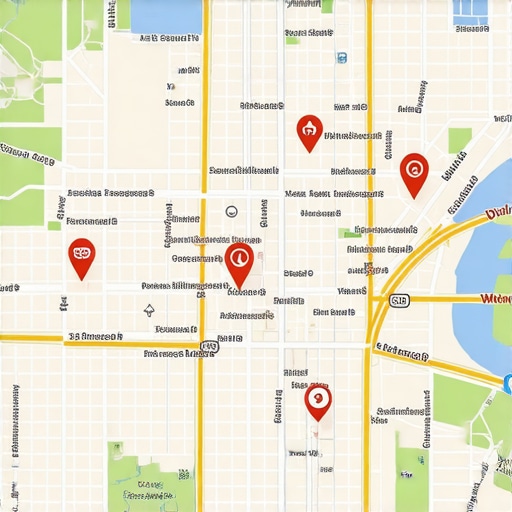
Georgia Maps & Local Search: Proven Strategies to Rank Higher in Atlanta’s Local Pack
My Personal Journey into Georgia Maps & Local Search
As someone who’s been deeply involved in local SEO for years, I vividly remember the first time I managed to get a client’s business to rank on the coveted Google Local Pack in Atlanta. It was a small coffee shop, tucked away but with a big dream. Seeing their business appear right at the top of Google search results was nothing short of thrilling. That experience sparked my passion for understanding the intricacies of Georgia Maps and local search strategies.
Why Local SEO in Atlanta Feels Like a Personal Challenge
Living in Atlanta, I’ve noticed how competitive the local market can be. Every neighborhood has its own unique vibe, and because of that, ranking high in Google Maps isn’t just about keywords; it’s about understanding the local community and leveraging the right strategies. I’ve experimented with various techniques, from optimizing Google My Business listings to harnessing the power of local citations, and I can tell you, every little detail counts.
How I Learned to Optimize Georgia Maps for Better Visibility
Through trial and error—and a lot of research—I came across expert advice from sources like Atlanta Map Pack Ranking. I realized that consistent NAP (Name, Address, Phone Number) data across all platforms, coupled with compelling Google My Business descriptions, can significantly boost a local business’s chances of ranking higher. I began meticulously updating listings, adding high-quality photos, and encouraging satisfied customers to leave reviews, which truly made a difference.
What’s the secret to ranking higher in Atlanta’s local pack?
Honestly, it’s a blend of foundational optimization and local engagement. Prioritizing accurate information, collecting reviews, and maintaining active Google My Business profiles are essential. But more importantly, understanding your local audience and tailoring your content to their needs can set you apart. I always recommend checking out detailed guides like this one to stay ahead.
Sharing My Insights: From Local Listings to Community Connections
One thing I’ve learned is that local SEO isn’t just about algorithms—it’s about building genuine community connections. I’ve seen small businesses thrive when they actively engage with their local customers through social media and local events. These interactions can translate into more reviews and higher engagement, which Google loves.
If you’re looking to improve your Georgia Maps rankings, my best advice is to stay consistent and authentic. Regularly update your listings, post relevant content, and foster local relationships. It’s a long-term game, but the rewards are worth it.
Join the Conversation: Your Experience Matters
Have you tried any local SEO tactics in Atlanta? What worked best for you? Share your stories or ask questions in the comments below—I love hearing about different experiences! For more tailored advice, don’t hesitate to reach out.
The Power of Local Engagement for Atlanta Businesses
While technical optimization is crucial, the true edge in Atlanta’s competitive local search landscape often comes from authentic community engagement. Small businesses that actively participate in local events, sponsor community initiatives, or collaborate with neighborhood organizations tend to garner more reviews and backlinks, which are vital signals to Google. Leveraging local partnerships not only enhances your visibility but also builds trust within your community.
How to Use Data Analytics to Fine-Tune Your Map Rankings
Understanding user behavior and search patterns in Atlanta can dramatically improve your SEO strategies. Tools like Google Analytics and Google Search Console provide insights into how potential customers find and interact with your business. Analyzing metrics such as search queries, click-through rates, and user demographics helps tailor your content and optimize your Google My Business profile for the most relevant local keywords. For instance, if data shows high interest in “Atlanta vegan restaurants,” optimizing your profile around that niche can yield better rankings and conversions.
Are You Leveraging Local Data Insights Effectively?
Many businesses overlook the power of analytics in refining their local SEO efforts. By integrating data-driven insights with your ongoing optimization efforts, you can identify gaps, discover new keyword opportunities, and adapt quickly to changing local trends. For a comprehensive approach, consider consulting resources like this guide to stay ahead of the curve.
The Role of Consistent NAP and Customer Reviews in Sustaining Top Rankings
Consistency remains king. Ensuring your Name, Address, and Phone number (NAP) are uniform across all online platforms, including directories, social media, and your website, reinforces your local relevance. Additionally, actively encouraging satisfied customers to leave reviews can significantly impact your rankings. Google perceives reviews as social proof, and a steady influx of positive feedback can push your business higher in local packs. Remember, responding to reviews—both positive and negative—demonstrates engagement and encourages further customer interaction.
What Are the Emerging Trends Shaping Google Maps Rankings in 2025?
Looking ahead, voice search optimization and AI-driven local search algorithms are poised to revolutionize how businesses appear in local results. Optimizing for natural language queries—like “best coffee shop near me in Atlanta”—and ensuring your profile is rich in relevant keywords will become increasingly important. Additionally, Google’s focus on user experience means that fast-loading websites, mobile responsiveness, and engaging content will play a larger role in ranking factors. Staying informed through authoritative sources like this resource can help you adapt your strategies effectively.
If you want to deepen your understanding of advanced Google Maps optimization techniques, I invite you to explore more detailed guides and share your experiences in the comments. Your insights can help others navigate Atlanta’s competitive local SEO landscape more successfully.
Deepening My Understanding: Navigating the Nuances of Local Search in Atlanta
Over the years, I’ve realized that optimizing for Georgia Maps isn’t just about ticking boxes; it’s an evolving puzzle that requires an intuitive grasp of local sentiment and subtle algorithm shifts. For instance, I’ve noticed how Google increasingly values behavioral signals—like dwell time and click patterns—when determining local rankings. This realization pushed me to focus more on creating engaging, locally relevant content that keeps users interacting longer with my listings.
One particular challenge I faced was understanding how voice search impacts local SEO. I remember experimenting with natural language keywords, such as “where can I find the best barbecue in Atlanta?” These queries tend to be more conversational and long-tail, demanding a shift from traditional keyword stuffing to more organic, question-based content. It’s fascinating how Google’s AI-driven algorithms, like BERT, are getting better at understanding context—making the optimization process both more complex and more rewarding.
Why Local Engagement and Data-Driven Strategies Are the Future
From my perspective, the real game-changer in 2025 is integrating data analytics with local engagement efforts. Tools like Google Analytics, combined with customer feedback and social media insights, reveal patterns that can inform hyper-targeted SEO tactics. For example, I’ve started tailoring Google My Business posts based on seasonal trends or local events, which has significantly boosted visibility and review flow. This approach isn’t just reactive; it’s strategic, leveraging insights to anticipate what local customers will seek.
Moreover, I’ve found that fostering genuine community relationships—whether through sponsoring local events or collaborating with neighborhood influencers—can amplify your local signals. Backlinks from local organizations and authentic reviews from community members are powerful indicators to Google about your business’s relevance and trustworthiness. It’s a holistic effort that blends technical optimization with heartfelt community participation.
How Can You Leverage Advanced SEO Techniques in Your Local Strategy?
Are You Ready to Tackle the Emerging AI and Voice Search Trends?
Considering the rapid evolution of AI and voice tech, I often ask myself: are my strategies future-proof? Staying ahead involves not just optimizing for current algorithms but also preparing for how search behaviors will shift. For instance, structuring your website and GMB profile to answer natural language questions can make your business more discoverable via voice assistants. This means paying closer attention to conversational keywords and FAQs that mirror how people speak naturally.
Additionally, keeping tabs on industry insights from trusted sources like this guide helps me stay aligned with the latest best practices. The key is continuous learning and experimentation—trying new content formats, engaging with local communities online, and refining your data analysis methods.
Have you explored how voice search is impacting your local SEO? Sharing your experiences or questions can spark valuable discussions. Drop a comment below or visit our contact page to connect directly. Remember, the landscape of local search is dynamic, and staying curious is your best asset.
Deciphering the Impact of AI and Machine Learning on Local Search Rankings in Georgia
One of the most compelling evolutions I’ve observed in recent years is how AI and machine learning algorithms are reshaping local search dynamics. Google’s BERT and MUM models are now more adept at contextual understanding, which means that optimizing for conversational queries and semantic relevance has become crucial. For instance, in Atlanta, businesses that craft content around user intent—answering questions like “Where can I find a reliable plumber near me?”—see a marked improvement in local pack visibility. To stay ahead, I delve into authoritative insights like those shared in this guide and continuously refine my strategies with emerging data.
How Can Advanced Data Analytics Enhance Your Local SEO Tactics?
Integrating sophisticated analytics tools allows for granular insights into customer behavior, enabling hyper-targeted SEO efforts. By analyzing search patterns, dwell time, and engagement metrics, I tailor content and GMB updates that resonate with local audiences. For example, seasonal trends in Atlanta—like increased interest in outdoor activities during spring—can inform timely promotions and content creation, boosting relevance and rankings. I recommend exploring platforms like Google Search Console and Google Analytics, but also consider emerging AI-driven analytics solutions that predict local consumer trends before they crest. This data-driven approach transforms reactive tactics into proactive strategies, elevating your local presence effectively.
What Are the Key Technical Optimization Considerations for 2025?
Technical SEO remains foundational, but new priorities have emerged. Mobile-first indexing continues to dominate, emphasizing the importance of fast-loading, responsive websites. Moreover, structured data, such as LocalBusiness schema, must be meticulously implemented to enhance rich snippets and local pack features. Voice search optimization also demands attention—crafting FAQ pages with natural language questions can significantly impact your visibility in voice-driven queries. Staying informed through authoritative sources like this resource helps me adapt to these evolving technical standards with confidence.
Are You Leveraging Content Personalization and Local Storytelling to Boost Engagement?
Absolutely. Personalized content and storytelling rooted in local culture foster stronger community bonds and increase user engagement. Sharing stories about Atlanta’s local history, customer testimonials, or behind-the-scenes glimpses creates a genuine connection that Google’s algorithms recognize as signals of authority and trustworthiness. Incorporating multimedia elements—like videos and virtual tours—further enriches the user experience. If you’re interested in innovative ways to humanize your local SEO efforts, I encourage you to experiment with content formats and monitor their impact through analytics. Feel free to share your experiences or ask questions—I love discussing how storytelling can elevate local search performance.
How Can You Prepare for the Future of Local Search in Georgia?
Looking ahead, embracing emerging technologies like augmented reality (AR) and integrating your local SEO with broader digital marketing campaigns will be vital. For instance, AR features that let users virtually explore your storefront or visualize products can differentiate your business. Additionally, maintaining a consistent, authentic online presence across all platforms—while optimizing for evolving AI interpretations—will sustain your competitive edge. I often revisit comprehensive resources like this authoritative guide to stay aligned with best practices. Staying adaptable and continuously testing new tactics will ensure your business remains prominent in Georgia’s dynamic local search landscape.
Things I Wish I Knew Earlier (or You Might Find Surprising)
The Power of Authentic Community Engagement
Looking back, I realize that truly connecting with the local community was a game-changer in boosting Georgia Maps rankings. Simple acts like sponsoring local events or engaging in neighborhood groups often led to genuine reviews and backlinks, which Google perceives as trust signals. I wish I had started prioritizing these personal touchpoints sooner, as they create a lasting impact beyond just technical SEO.
Data-Driven Decisions Are Your Best Friend
Early on, I underestimated how much insights from tools like Google Analytics could inform my local SEO strategies. Analyzing search patterns and user behavior helped me tailor content and optimize listings more effectively. If I had embraced data analytics from the start, I believe my results would have been even more impressive, saving me time and effort in trial-and-error phases.
Relevance Over Keywords: Focus on User Intent
Initially, I obsessively stuffed keywords into listings and content, thinking it was the main way to rank. However, I discovered that understanding what users are truly searching for—like “best vegan restaurants in Atlanta”—and providing valuable, relevant content has a much bigger impact. Prioritizing user intent over keyword density transformed my approach and improved engagement significantly.
Voice Search Is Reshaping Local SEO
The rise of voice assistants made me realize that natural language queries are becoming the norm. Optimizing for conversational questions rather than traditional keywords helped me reach more local customers. I wish I had given voice search more attention earlier, as it’s now a vital part of staying competitive in Georgia’s local search landscape.
The Nuance of Algorithm Changes
Google’s algorithms are constantly evolving, but I often overlooked how subtle updates could affect rankings. Staying informed through trusted sources allowed me to adapt quickly. I’ve learned that being proactive and flexible is essential—what worked last year might need tweaking now, especially with AI-driven updates like BERT and MUM.
Local SEO Is a Long-Term Investment
Lastly, I used to think quick wins were the key, but I now understand that consistent effort—updating listings, engaging locally, and gathering reviews—builds a sustainable presence. Patience and persistence are your best allies in mastering Georgia Maps and dominating local search results.
Resources I’ve Come to Trust Over Time
- Google’s Official Guidelines: The foundation for understanding best practices; I always revisit these to stay aligned with policies and technical standards.
- Moz Local Search Resources: Their comprehensive guides helped me grasp the nuances of local SEO and link-building strategies that work in Georgia.
- BrightLocal Blog: An excellent source for latest trends and case studies, keeping me updated on what’s working in the local SEO community.
- Google Search Central Blog: For insights into algorithm updates and new features, which are crucial for adapting strategies effectively.
Parting Thoughts from My Perspective
Mastering Georgia Maps and local search is an ongoing journey that combines technical know-how with authentic community engagement. The most valuable lesson I’ve learned is that success isn’t just about algorithms—it’s about building real connections and continuously refining your strategies based on data and local insights. If you’re serious about elevating your local presence, I encourage you to stay curious, be patient, and embrace the evolving landscape of local SEO. Remember, every small effort counts toward creating a trusted, visible brand in Georgia’s vibrant communities. If this resonated with you, I’d love to hear your thoughts or experiences—feel free to share in the comments or reach out through our contact page. Let’s grow together in this exciting world of local search!


Emily Johnson
Reading this post really resonated with my own journey in local SEO. I started working with small businesses in Atlanta a few years ago, and I quickly realized that understanding the local culture and community stories can make a significant difference. For instance, incorporating local landmarks and events into Google My Business posts helped my clients connect better with their audience, resulting in more reviews and higher visibility. I’ve also found that engaging directly with community initiatives not only builds trust but also naturally boosts backlinks, which Google values greatly. One challenge I’ve encountered is managing reviews consistently across various platforms, especially for businesses with a high turnover of customers. What strategies have you found effective in encouraging ongoing review activity without seeming pushy? I’d love to hear from others who’ve navigated this aspect successfully because maintaining authentic engagement is vital for long-term rankings.