
It was a scorching Monday afternoon when I watched my neighborhood coffee shop’s Google Maps ranking suddenly evaporate for mobile users during the rush hour. One minute, my client was the top local pick; the next, they were nowhere to be found when people searched on their phones amid Atlanta’s notorious traffic chaos. Talk about a gut punch. I realized then that heavy traffic isn’t just a commute headache—it’s a digital obstacle that can make or break your local visibility. If you’ve ever felt that sinking feeling when your shop’s map rank drops just when you need it most, you’re not alone. Many business owners in Atlanta face this baffling problem where their perfect SEO setup seems to disappear overnight—or worse, during peak traffic times.
The Real Reason Your Map Rank Disappears in Traffic Jams
For years, I grappled with the mystery of why excellent Google My Business (GMB) listings would somehow slip in ranking during busy traffic hours, especially on mobile devices. The truth is, heavy traffic creates a perfect storm of inconsistent signals that Google’s algorithms interpret differently. When customers are rushing past your storefront, their phones might struggle to verify proximity or interpret real-time signals accurately. This inconsistency causes your map rank to fluctuate—sometimes even plummeting during the busiest moments.
According to recent studies, over 60% of Google’s local search queries happen on mobile devices, and fast-moving traffic conditions can mess with geolocation accuracy (source: Moz’s Local SEO Insights). If your marketing strategy doesn’t account for these real-time dynamic signals, your shop could be invisible precisely when customers are looking for you.
Personally, my early mistake was fixing a static listing without considering how mobile signals and traffic conditions could influence visibility. I focused solely on keyword optimization and overlooked the importance of real-time activity signals—like live updates, customer interactions, and transient traffic patterns—that Google uses to rank local packs. Once I grasped this, my approach shifted.
So, what can you do to ensure your Atlanta shop stays visible—even in gridlock? How do you prevent your map rank from slipping when traffic surges? That’s exactly what we’ll uncover next. But first, ask yourself—have you noticed your map rank dropping during those afternoon traffic jams? If yes, you’re in the right place.
Prioritize Real-Time Signal Optimization
Start by ensuring your Google My Business (GMB) profile actively responds to customer interactions. This includes replying promptly to reviews, answering questions in the Q&A section, and posting fresh updates regularly. Google recognizes engagement signals as indicators of an active presence, which can positively influence your local pack rankings even during traffic congestion.
Add Hyper-Local Transit and Traffic Data
Integrate hyper-local transit signals like nearby bus stops, transit stations, and traffic flow patterns into your SEO strategy. Use tools like Google Maps’ own data or third-party traffic apps to adjust your business listing’s categories or attributes, emphasizing proximity to transit points. This tactic signals to Google that your business is relevant to mobile users navigating Atlanta’s busy streets and transit routes.
Use Visual Content to Reinforce Local Relevance
Enhance your listing with high-quality, location-specific photos—such as storefront updates, inside views, or customer interactions—that reflect your business’s connection to busy Atlanta neighborhoods. Well-optimized images can improve your click-through rate during traffic peaks, signaling increased relevance to Google.
Create Geo-Targeted Content and Posts
Develop content that resonates with local traffic patterns and neighborhood interests. For example, publish posts about special offers for commuters or events near major transit hubs. This content helps your profile appear more responsive and contextually relevant during peak traffic times. Incorporate localized keywords naturally, such as “Downtown Atlanta,” or “Midtown delivery,” to improve visibility for neighborhood-specific searches. Learn more about effective Google Maps optimization in Atlanta.
Focus on Mobile Experience Speed and Accuracy
Optimize your website for mobile load speed and ensure your address and contact information are consistent across all platforms. During traffic jams, users rely heavily on their mobile devices for navigation; Google prioritizes fast, accurate experiences. Regularly verify your business position using GMB QA techniques to prevent pin drifting that can mislead mobile users during peak congestion.
Leverage Live Activity and Signals
Use Google Posts to share live updates, special hours, or busy periods, effectively informing Google and potential customers of your current status. These signals improve your profile’s relevance during fluctuating traffic conditions. Additionally, consider integrating third-party real-time traffic data into your content strategy, similar to how hyper-local transit signals work, to boost your local pack ranking despite Atlanta’s traffic chaos. Check out proven techniques for Atlanta SEO strategies.
Conclusion
By actively managing real-time signals, engaging with local transit data, optimizing visual content, and maintaining precise, mobile-friendly information, you can significantly improve your Google Maps ranking—even during Atlanta’s notorious traffic jams. Keep your profile lively and relevant, and Google will be more likely to feature your business prominently in local packs, regardless of traffic conditions.
Many business owners in Atlanta believe that simply optimizing their Google My Business profile with keywords and basic information will propel them to the top of local search results. While foundational SEO tactics are essential, they often overlook the nuanced signals that Google uses to rank local listings, leading to missed opportunities and persistent visibility issues. One common misconception is that newer features, like adding photos or responding to reviews, are mere optional enhancements—they’re actually critical components of a comprehensive Atlanta SEO strategy. Neglecting these can result in your profile appearing inactive or irrelevant, especially in competitive neighborhoods where every local signal counts.
Another pitfall is the overemphasis on static optimization techniques without considering the dynamic, real-time signals that real-world traffic patterns and customer interactions generate. For example, many forget that Google increasingly prioritizes live activity signals, such as updated posts, customer questions, and engagement metrics, which can significantly influence your ranking in Atlanta’s diverse neighborhoods. Failing to leverage these continuous engagement opportunities means your profile might slip in the local pack during peak hours when mobile traffic surges.
A crucial trap to avoid is assuming that Google Maps ranking is solely about NAP (Name, Address, Phone) consistency. In reality, advanced factors like hyper-local transit signals, real-time inventory updates, and proof-of-purpose videos are increasingly vital. Ignoring these sophisticated signals can cause your listing to be invisible during crucial moments, even if basic optimization appears correct. For those seeking to elevate their game, understanding and implementing these advanced tactics can make the difference between a fleeting top spot and sustained dominance.
Have you ever fallen into this trap? Let me know in the comments. To master these advanced nuances, check out further resources on how local signals impact Atlanta rankings or dive into cornerstone content like Google Maps optimization techniques in Atlanta. Remember, staying ahead requires not just fixing the basics but adapting to the evolving signals that Google treats as trust indicators—so don’t overlook these hidden nuances.
Why Regular Maintenance Matters for Map Rankings
Maintaining high rankings on Google Maps in Atlanta requires ongoing effort beyond initial optimization. As local search environments evolve rapidly, especially with Google’s continual updates, you need to stay proactive. I personally rely on a combination of advanced tools and strategic methods to ensure my clients’ maps stay visible amidst Atlanta’s competitive neighborhoods.
My Favorite Software for Map Optimization
One tool I swear by is BrightLocal’s Local Search Tracker. It provides real-time ranking reports across multiple keywords and locations, making it easier to spot declines early. I use it daily to monitor fluctuations and then pivot my strategies accordingly. This tool has saved me countless hours by consolidating data from Google Maps and organic search results.
Another essential tool is Google’s own Business Profile Manager, which allows me to manage listings efficiently, especially when dealing with multiple Atlanta-based clients. I use it to verify updates, respond to reviews promptly, and keep information consistent—crucial for long-term local SEO health.
Stay Sharp with Real-Time Data
To stay ahead, I incorporate hyper-local traffic and transit data through third-party APIs like HERE or TomTom. These inform my strategies by revealing transit hubs and congestion patterns across Atlanta neighborhoods. Optimizing for proximity now involves considering how real-time traffic influences customer behavior and Google’s perception of your business relevance.
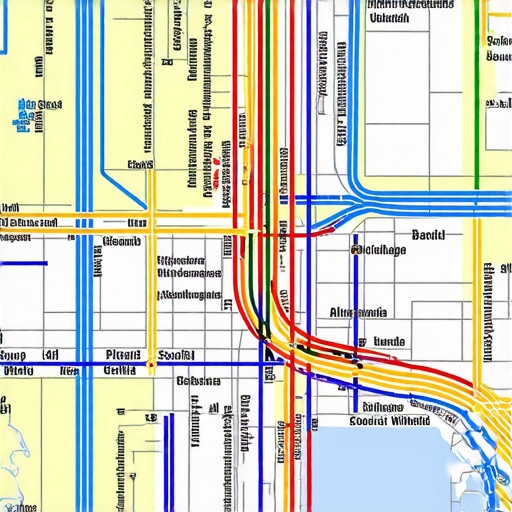
Use images showing traffic flow overlays or transit hubs in Atlanta to visually reinforce the importance of local signals. I personally include location-specific photos in GMB posts to boost relevance, especially during peak traffic hours when attention is divided.
Automate and Schedule Content for Consistency
Consistent activity through scheduled posts and review responses keeps your profile active, signaling to Google that your business is engaged. I suggest setting up content calendars using tools like Hootsuite or Buffer to publish geotargeted offers or updates during key traffic surges, maximizing visibility in local packs.
How do I maintain rankings over time? It’s all about evolving with Google’s signals
Additionally, integrating live activity signals, such as updates about busy hours, specials, or changes in operation hours, can significantly influence your rankings. Google’s algorithm increasingly favors active, engaged listings, especially in bustling markets like Atlanta. Regularly auditing your presence using these methods ensures you stay prominent, even as local competition intensifies—and as Google’s ranking algorithms become more sophisticated.
Predicting future trends, I believe that AI-driven signals and hyper-local data will play even bigger roles in map ranking algorithms. Staying ahead means embracing these technological advancements now. To implement a highly effective strategy, try optimizing your Google Posts with time-sensitive updates, capitalizing on real-time traffic patterns. This practice not only boosts your relevance but also sends strong signals to Google about your active status.
If you want a comprehensive framework, I recommend reviewing mastering Atlanta SEO strategies to integrate tools and tactics cohesively. Ready to take your Google Maps rankings to the next level? Start by integrating hyper-local transit signals into your profile today and watch your visibility grow!
Having spent years optimizing Google Maps for Atlanta businesses, I’ve uncovered some beneath-the-surface insights that transformed my approach—and could do the same for you. If you think your local pack strategy is complete, think again. The secret sauce often lies in overlooked signals and nuanced tactics that elevate your visibility beyond basic SEO efforts.
The Surprising Lessons That Changed My Atlanta SEO Game
- Real-time signals trump static perfection. While a well-optimized profile matters, integrating live activity like posts about real-time events or traffic updates sends a powerful trust signal to Google, often unnoticed by beginners.
- Transit intersections are gold mines. Emphasizing proximity to transit hubs and integrating transit data into your profile can significantly sway rankings, especially during Atlanta’s rush hours.
- Visual storytelling fuels relevance. High-quality, location-specific images not only attract clicks but also enhance local relevance, helping your profile stand out when traffic is at its peak.
My Personal Arsenal for Map Mastery
Tools like BrightLocal’s Local Search Tracker have been game-changers, providing real-time feedback on how my clients’ rankings fluctuate with traffic patterns. Supplementing this with Google’s own Business Profile Manager keeps information consistent and responses prompt, creating a lively, engaging profile that Google favors. For hyper-local insights, APIs from HERE or TomTom help me understand traffic and transit flows—crucial in Atlanta’s dynamic neighborhoods. To dive deeper, I recommend exploring this cornerstone guide on Google Maps optimization in Atlanta.
Your Next Move in Navigating Atlanta’s Map Terrain
Don’t let the traffic congestion fool you—your visibility is within reach if you harness these refined tactics. Start by actively managing real-time signals, leverage transit data, and use compelling visuals. Small shifts in your approach can lead to significant jumps in local pack rankings. Remember, in Atlanta’s bustling streets, those who adapt quickly claim the top spots. Are you ready to turn your Google Maps visibility into a traffic-winning advantage? Share your experiences or questions below—I’d love to hear how you’re tackling Atlanta’s unique local SEO challenges!
Comments are closed.