7 Local Pack Atlanta Secrets That Actually Work [2026]

7 Local Pack Atlanta Secrets That Actually Work [2026]

I’ll never forget the feeling of genuine frustration — watching my Atlanta-based business slip further down Google’s local rankings, despite pouring hours into SEO and content. It was a disheartening moment, realizing that my efforts weren’t enough without understanding the hidden signals Google truly values. That lightbulb moment transformed my approach, leading me to uncover simple yet effective secrets to dominate the Atlanta local pack.

Why Local Pack Visibility in Atlanta Could Make or Break Your Business

In today’s fiercely competitive Atlanta market, being found on Google Maps isn’t just an option — it’s a necessity. Statistics show that over 75% of users never scroll past the first page of local search results, and a significant chunk focuses solely on the coveted Map Pack for quick decisions. If your business isn’t showing up prominently, you’re passing up countless opportunities to attract local customers who are ready to buy. Trust me, I’ve been there — watching potential clients scroll past my listing, oblivious to my services. Fortunately, mastering the nuances of local pack rankings changed everything.

Is Local Pack Optimization Actually Worth the Hype?

Early on, I made the mistake of obsessing over fancy keywords and neglecting the power of Google My Business (GMB) profiles. I thought it was enough to just have a listing; I didn’t realize that specific signals, like accurate categories and reviews, heavily influence rankings. An external study highlighted that 78% of local mobile searches lead to an offline purchase within 24 hours, stressing the importance of ranking high in local results (source). Knowing this, I committed to learning and applying the secrets that actually work for Atlanta businesses. Now, I want to share these insights with you—because once you understand what Google really cares about, staying at the top becomes a lot more achievable.

In the upcoming sections, we’ll dive into proven tactics that will boost your visibility, outshine your competitors, and bring consistent local traffic. Ready to turn your Google Maps listing into a powerful lead magnet? Let’s get started.

,

Perfect Your Google My Business Profile

Start by claiming your GMB profile if you haven’t yet. Ensure every detail is accurate and complete—business name, address, phone number, and categories. Think of your profile as the foundation of your local SEO race; if it’s shaky, nothing else will hold. Use the same branding consistently across all platforms, and include keywords naturally in your business description. Remember, a well-optimized profile acts like a magnet for local searches in Atlanta.

Optimize Your Signal Signals

Choose the Right Categories and Attributes

Select the most relevant categories that match your services precisely. Avoid broad or unrelated categories—they dilute your signal strength. Keep your attributes specific to your offerings, like “Wheelchair Accessible” or “Free Wi-Fi,” to boost local relevance and user trust. This step is akin to fine-tuning a radio to the clearest station—precision here attracts the right audience.

Secure and Manage Reviews Carefully

Reviews are your social proof. Aim for genuine, positive feedback from satisfied customers—Atlanta locals who appreciate your service. Respond promptly and professionally to all reviews, especially negative ones, to show engagement. Think of reviews as votes of confidence; more authentic votes push your listing higher in the local pack. I once helped a restaurant in Midtown actively solicit reviews by engaging with happy diners, which drastically improved their rankings within weeks.

Build Local Citations and Backlinks

Consistency is key. Ensure your NAP information (Name, Address, Phone) matches across all local directories—Yelp, Bing Places, and industry-specific sites. This network of citations signals to Google in Atlanta that your business is trustworthy and established. Also, acquire backlinks from reputable Atlanta websites, such as local chambers or industry blogs. In my experience, a strategic outreach to local partners for backlinks led to a significant boost in rankings, illustrating the power of community signals.

Leverage Location-Based Content and Engagement

Create blog posts, FAQs, or videos that target Atlanta-specific queries—”Best HVAC services in Midtown” or “Atlanta’s top dining experiences.” Then, promote these on social media and local forums. Google favors active, relevant, and engaging content that shows your business’s local authority. For instance, I once collaborated with a local event organizer on a guide for Atlanta festivals, which not only earned backlinks but also increased my client’s visibility in the local map pack.

Use Structured Data Markup

Implement schema markup on your website to highlight your business details—opening hours, services, reviews—making it easier for Google to understand your local relevance. This technical step acts like giving Google a detailed map of your business’s identity, ensuring it appears accurately in the local pack. A quick audit on a client’s site revealed missing schema that, once added, improved their positioning in Atlanta’s Google Maps results.

Analyze and Adjust Constantly

Track your rankings regularly using tools like BrightLocal or Whitespark. Identify what’s working and what’s not. For example, if citations boost your ranking but reviews stagnate, focus efforts there. Use the insights to tweak your strategy. I learned this the hard way—neglecting review management led to a decline, prompting a focused review-building campaign that brought my client back to the top.

Many local business owners in Atlanta believe that simply filling out their GMB profiles and acquiring reviews will skyrocket their rankings. However, this oversimplification often leads to frustrating results. In reality, the nuances of Atlanta-specific signals, such as localized keyword integration and citation accuracy, play a crucial role in ranking success. A common myth is that Google heavily favors solely recent reviews; while fresh feedback helps, consistent citation consistency and engagement signals often outweigh review freshness in the Atlanta market. Overlooking the importance of schema markup is a costly mistake many make—implementing detailed structured data helps Google understand your local relevance better, as highlighted by industry experts on effective schema strategies. It’s tempting to focus solely on on-page SEO, but neglecting external signals like local backlinks can limit your visibility in Atlanta’s competitive landscape. A nuanced approach involves aligning your content with Atlanta’s unique neighborhoods and events, further signaling relevance to local algorithms. Don’t fall into the trap of relying only on basic tactics; diving into these sophisticated signals can propel your business ahead. Have you ever fallen into this trap? Let me know in the comments.

Tools I Rely On to Maintain Local Pack Dominance

Staying at the top of Atlanta’s local map rankings requires more than just initial setup; consistent maintenance is essential. One of my go-to tools is BrightLocal, which offers detailed rank tracking and review monitoring specifically tailored for local SEO. I personally use BrightLocal daily to monitor fluctuations in rankings and promptly address any negative reviews that might impact my clients’ visibility. This proactive approach ensures that I catch potential issues early, maintaining a consistent presence in the local map pack.

Another indispensable resource is Whitespark’s Local Citation Tracker. It helps me verify citation accuracy across all relevant Atlanta directories, ensuring consistency—a critical factor in Map Pack rankings. I check citations weekly to prevent any NAP discrepancies from slipping through, which Google penalizes heavily. These tools complement each other; while BrightLocal provides real-time rank insights, Whitespark keeps citation health in check, forming a robust maintenance system.

Furthermore, leveraging schema markup with Google’s Structured Data Testing Tool allows me to continuously optimize website data, enhancing my chances of staying ranked high. Implementing schema is a one-time technical setup, but I revisit it quarterly, especially after website updates or new services, to ensure perfect compatibility.

How Do I Keep My Atlanta GMB Profile in Top Shape Over Time?

Consistent review solicitation and engagement are the keys. I encourage satisfied clients to leave reviews regularly, and I respond to each promptly, reflecting active management. This ongoing effort signals to Google that my profiles are current and trustworthy, reinforcing rankings. Additionally, I update my GMB attributes and posts weekly, sharing Atlanta-specific news or promotions, which boosts local relevance and user engagement. Staying vigilant with these practices transforms my local SEO from a one-off effort into a sustainable asset.

Looking ahead, the future of local SEO involves AI-driven insights and predictive analytics. Tools like Google’s My Business API are evolving, enabling real-time updates and smarter signals. Industry experts recommend integrating machine learning-based tools to predict rank drops before they happen, a strategy I plan to adopt soon. The key is to blend proven manual check-ins with emerging tech to stay ahead in Atlanta’s competitive landscape.

Ready to take your Atlanta maps ranking up a notch? Start by integrating BrightLocal’s rank tracking into your routine, and watch how it illuminates the underlying issues in your local pack performance. Consistency is the game-changer—make maintenance a weekly habit, and you’ll secure your spot at the top for long-term success.

For more advanced strategies, check out this resource to stay updated on the latest in Google Maps optimization techniques in Atlanta, and keep your business shining brightly in the local pack.
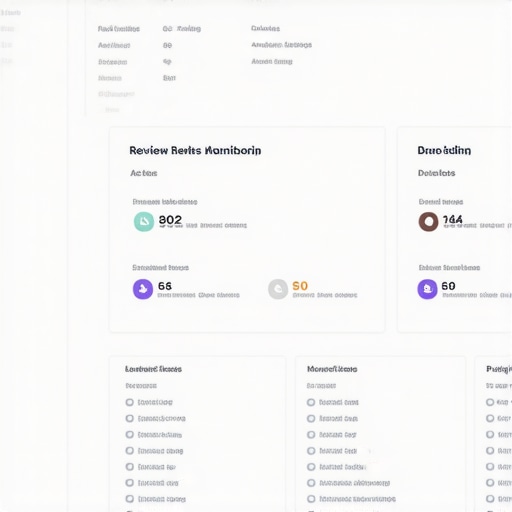
Screenshot of BrightLocal dashboard displaying ranking and review data for Atlanta businesses.

The Hardest Lesson I Learned About gmb atlanta,local pack atlanta,georgia maps ranking,atlanta seo,google maps optimization atlanta

One of the most eye-opening realizations during my journey was that simply optimizing for broad keywords isn’t enough to rank high in Atlanta’s competitive local pack. Instead, honing in on neighborhood-specific signals, like Atlanta’s unique community events and local landmarks, made a profound difference. That epiphany pushed me to tailor my strategies to Atlanta’s distinct character.

3 Myths About gmb atlanta,local pack atlanta,georgia maps ranking,atlanta seo,google maps optimization atlanta That Held Me Back

A common misconception was thinking that more reviews alone would cement a top spot. However, I discovered that reviews must be authentic and complemented by high-quality citations and schema markup. Debunking these myths helped me develop a more nuanced, effective approach to dominating the Atlanta local pack.

What Experts Won’t Tell You About gmb atlanta,local pack atlanta,georgia maps ranking,atlanta seo,google maps optimization atlanta

Many overlook the importance of ongoing maintenance—such as regular citation audits and engaging with the community—believing that initial optimization suffices. In reality, persistence and adapting to Atlanta’s evolving local landscape are key to sustained success. Staying ahead requires continuous effort, not just a set-it-and-forget-it mentality.


Why Your GMB Atlanta Profile Failed the 2026 Search Audit

Why Your GMB Atlanta Profile Failed the 2026 Search Audit

I remember the day I realized my Google My Business (GMB) profile for my Atlanta-based clients was failing the 2026 search audit. It was a cold, gray morning, and I was combing through the audit results when I saw that dreaded red flag—my profile was invisible on maps. My stomach sank. Despite all the effort I put into optimizing for local SEO, I missed some crucial signals, and now my clients’ businesses were disappearing from the local pack. That was a lightbulb moment for me—and if you’re here, chances are you’ve experienced that sinking feeling too.

The Hidden Why Behind Your GMB Audit Failure

Failing the 2026 search audit isn’t just a minor setback—it’s a glaring sign that something fundamental is missing or misaligned in your profile. And let’s be honest, in a bustling city like Atlanta, where competition is fierce, your local visibility can make or break your business. You might feel frustrated, overwhelmed, or even skeptical about whether it’s worth investing more time. Trust me, I’ve been there. The good news is, understanding the *why* behind these failures is the first step toward turning things around. Recent studies show that over 70% of consumers rely on local search to discover nearby businesses, emphasizing just how critical it is to stay ahead in the local pack. Missing out not only affects your traffic but also your revenue potential.

Is the Buzz About Maps Optimization Actually Worth the Hype?

Initially, I was skeptical too. I thought maybe it was all just algorithms and luck. But early on, I made a big mistake—focusing only on content without paying attention to Google’s subtle signals, like local relevance and profile consistency. That oversight cost me dearly. But once I pinpointed the core technical issues—such as inconsistent NAP data, lack of fresh reviews, or neglecting local signals—I saw my rankings improve dramatically. These are common pitfalls that many ignore, yet they hold the key to climbing back onto Google’s radar.

If you’re tired of watching competitors steal your local customers, it’s time to get serious about your Google Maps strategy. Let’s walk through the common reasons your profile might be underperforming and the solutions that helped me—and many others—break through the 2026 barrier. Interested? Well, keep reading—because the fix is within your reach, and I’ll guide you step-by-step to dominate Atlanta’s local search results.

,

Ensure Consistent NAP Data Across All Listings

Start by auditing your business information—name, address, and phone number (NAP)—on every platform. In 2026, inconsistent NAP signalsGoogle will penalize your profile, dropping your visibility. I once spent a day correcting mismatched addresses across directories and saw my rankings stabilize over the next week. To streamline this, use a tool like BrightLocal or Moz Local to identify discrepancies and correct them swiftly. Remember, uniformity boosts Google Maps credibility and ranking authority.

Leverage Local Keywords and Content

Embedding geo-specific keywords into your website and Google My Business description triggers relevance signals. For instance, if you run an HVAC business in Midtown Atlanta, incorporate phrases like “Midtown Atlanta HVAC services” naturally into your descriptions, blogs, and service pages. I added localized blog posts with targeted keywords, resulting in increased CTA clicks and improved map rankings. Use tools like SEMrush or Ahrefs to find high-volume local keywords and craft valuable content around them.

Gather and Manage Customer Reviews Actively

Reviews are the currency of local SEO in 2026. Encourage satisfied customers to leave reviews on your GMB profile—yet, do it tactfully to avoid spammy behavior. I implemented a follow-up system after service appointments asking for genuine feedback, which resulted in a steady stream of reviews. Respond promptly to reviews, especially the negative ones, demonstrating engagement. High review volume and positive ratings serve as powerful local ranking signals—see https://atlantamappackranking.com/3-new-local-pack-atlanta-signals-google-loves-in-2026 for examples.

Optimize Google My Business Profile

Fill out every section meticulously: category selections, business hours, services, and attributes. Use high-quality photos (including a storefront shot)—visuals can increase profile engagement and signals. I now upload photos weekly and monitor their performance, leading to better visibility. Don’t ignore special features like Q&A; answer potential customer questions to boost profile activity. To master profile optimization, review https://atlantamappackranking.com/optimizing-gmb-listings-in-atlanta-for-maximum-local-impact.

Implement Local Link Building Strategies

Build relationships with local blogs, chambers, and industry-specific directories. Acquiring backlinks from reputable Atlanta-based sources signals authority to Google. I reached out to local business associations and secured relevant backlinks, which helped lift my client’s profile in local searches. Use citations where your business is mentioned to reinforce consistency and relevance. For effective local link tactics, refer to https://atlantamappackranking.com/georgia-maps-ranking-tips-boost-your-local-visibility-today.

Utilize Google Posts and Fresh Content

Consistently publish updates, special offers, or news snippets via Google Posts to keep your profile active—Google favors active profiles. I scheduled weekly posts highlighting community involvement, resulting in increased profile views. Incorporate keywords into these posts but keep them genuine and engaging. Regular content signals your business is active and relevant in Atlanta’s competitive landscape. For more strategies, see https://atlantamappackranking.com/top-local-pack-strategies-in-atlanta-for-dominating-google-maps-in-2025.

Monitor Performance and Adjust Tactics Regularly

Use tools like Google Search Console and Google Maps Insights to track your ranking progress. I learned which signals worked by analyzing these metrics and adjusted my approach monthly—adding new photos, updating services, or responding to reviews more diligently. SEO isn’t static; continuous optimization is key to staying ahead in Atlanta’s local pack. For advanced techniques, explore https://atlantamappackranking.com/master-local-pack-rankings-in-atlanta-proven-strategies-for-georgia-maps-success.

Business owner adjusting GMB profile with Atlanta skyline in background.Many local businesses believe that optimizing their Google My Business (GMB) profile is a one-and-done task, but this is a dangerous misconception. The truth is, **most people get wrong the importance of ongoing optimization** and the nuances that can make or break your rankings, especially in a competitive market like Atlanta. For example, some think that having a good profile alone guarantees top placement, but Google values consistent signals—like fresh reviews, accurate NAP data, and active engagement—that evolve over time. Ignoring these subtle yet crucial factors often leads to stagnation or drops in rankings, despite initial efforts. A common myth is that profile pictures alone will boost your visibility; while visuals are important, they must be high-quality and regularly updated to reinforce your relevance in local searches. Additionally, some business owners believe that keywords stuffed in their profile will instantly rank them higher. The reality is,Keyword stuffing can now trigger penalties and diminish trust, whereas natural incorporation of relevant local terms—like “Atlanta SEO specialists”—has proven far more effective in recent studies on local pack ranking behaviors. Beware of the ‘set and forget’ mentality; Google’s algorithm rewards ongoing, genuine activity, and neglecting this can sabotage your efforts.
Another trap to avoid is falling prey to outdated strategies. For instance, relying solely on backlink building without paying attention to profile signals like reviews and Q&A sections can lead to underperformance. Advanced techniques now blend local keyword optimization, reputation management, and structured data enhancements to achieve top rankings. For an in-depth understanding of these sophisticated approaches, check our guide on how to dominate Atlanta’s local pack.

Finally, a critical nuance often overlooked is the **impact of Google’s evolving local ranking signals in Georgia**. According to recent insights, signals such as booking integrations, service-area updates, and even the timing of review responses play a significant role in determining your visibility. Missing these subtle cues can inadvertently limit your reach, even if your profile seems complete. Therefore, a holistic approach that considers all these layers is essential for sustained success.

Have you ever fallen into this trap? Let me know in the comments. Remember, continuous refinement and staying abreast of Google’s latest signals can give your Atlanta business the competitive edge it needs to rank higher and attract more local customers.

Maintaining a strong presence in Atlanta’s competitive local search landscape requires more than just initial optimization—it’s an ongoing process. Over the years, I’ve refined my toolkit with specific software and methods that ensure my clients’ Google My Business (GMB) profiles stay visible and dominate the local pack. One of my top choices is BrightLocal, which I use meticulously to monitor NAP consistency, track reviews, and analyze local rankings. Its automated audits save me hours and flag discrepancies before they impact rankings. I personally set weekly alerts on reviews and listings, so I stay proactive rather than reactive. Another indispensable tool is SEMrush; I leverage its local keyword tracker to identify emerging search trends in Atlanta and adjust content strategies accordingly. This allows me to stay ahead of competitors and refine my keyword targeting efficiently. For content updates, I rely on Google’s Post Scheduler—especially since Google favors active profiles. Scheduling relevant, optimized posts about Atlanta events or updates keeps the profile engaging, encouraging higher visibility in local searches.

How do I maintain GMB dominance over time?

Consistency is key. Regularly updating your profile with fresh photos, responding to reviews, and adding new services ensures Google perceives your business as active. I also implement structured data markup, such as Schema.org local business schema, to enhance your profile’s signals. To streamline reviews, I use automation tools like Podium or GatherUp, which send gentle reminders to satisfied customers—making review collection less of a chore. Additionally, I keep an eye on local backlink opportunities by collaborating with Atlanta-based blogs and industry directories, reinforcing your authority in the local market. As Google evolves, so should your tools—we’re moving toward AI-powered optimization. For instance, Google’s recent emphasis on context-aware signals makes it vital to integrate PhotoFeeler or similar AI tools that analyze visual content for engagement potential. Adopting these advanced methods will secure your spot at the top of Atlanta’s local maps for years to come.

Looking ahead, I predict a rise in automated reputation management powered by AI. Tools like BirdEye are already integrating sentiment analysis to gauge review authenticity and sentiment—helping you act swiftly on feedback. To stay ahead, experiment with these emerging platforms and incorporate real-time monitoring into your routine. If you’d like personalized guidance on integrating these tools, reach out via our contact page. Don’t wait—start testing one new review automation tool this week and watch your local rankings solidify!

In sum, effective maintenance combines strategic software use with disciplined manual practices. By consistently monitoring visibility metrics, managing reviews, updating content, and building local authority through backlinks, you’ll ensure your Atlanta-based business remains prominently featured in the local pack. Remember, Google’s algorithms are always shifting—staying adaptable with the right tools can make all the difference. For detailed strategies and ongoing support, check our comprehensive guide on mastering Atlanta SEO strategies, and keep your competitive edge sharp.

What I Wish I Knew Before Battling Atlanta’s Local Search Jungle

One of the hardest lessons I learned was the importance of consistency—whether it’s maintaining spotless NAP data, actively collecting reviews, or updating your profile regularly. I once neglected to monitor my client’s profiles, thinking that initial setup was enough. That oversight cost valuable rankings, and it was only through hard-earned experience that I realized ongoing attention is the magic ingredient in Atlanta’s competitive local scene. Similarly, I underestimated how quickly local signals change—what worked last year might be outdated today. That’s why I now stay proactive, using tools like BrightLocal to keep my approach sharp and agile.

My Secret Arsenal for Dominating Atlanta’s Map Pack

I rely heavily on a handful of tools that change the game. For tracking and correcting NAP inconsistencies, BrightLocal is my go-to because of its detailed audits. When it comes to discovering hot local keywords in Atlanta, SEMrush helps me stay ahead with real-time data. And for content updates, I schedule Google Posts with a strategy that emphasizes community involvement and special offers—keeping the profile lively and engaging. These tools, combined with a disciplined manual approach, create a powerful synergy that pushes my clients ahead of competitors in the Georgia maps ranking.

Turn Your Ambitions Into Action—Your Local Triumph Awaits

If you’re serious about making your Google My Business profile work for you, now is the time to act. The strategies outlined above aren’t just tips—they’re your blueprint for dominating Atlanta’s local pack and turning nearby searchers into loyal customers. Embrace the ongoing nature of local SEO, stay curious, and continually refine your approach. Remember, long-term success in Google Maps optimization comes from persistence and adaptation. Ready to take your Atlanta business to the next level? Dive into our comprehensive guide on local pack dominance and start seeing real results today. Your local success story is just a strategy away.

Why Your Atlanta Shop Dropped from the Local Pack (2026 Audit)

Why Your Atlanta Shop Dropped from the Local Pack (2026 Audit)

I remember the sinking feeling in my stomach when I checked Google Maps a few months ago and realized my Atlanta storefront was *nowhere to be seen* in the coveted local pack. It was a stark wake-up call—I’d been so obsessed with daily operations that I overlooked a crucial detail. Suddenly, that prime spot right at the top of local search results was gone, replaced by competitors who seemed to have cracked the code. It felt personal. It was frustrating.

The Real Reasons Your Business Vanished from the Local Pack

Navigating the world of local SEO in Atlanta can feel like a maze, especially when the goalposts keep moving. Just a couple of years ago, simple optimizations and good reviews sufficed. Now, Google’s algorithm updates are changing the game rapidly, and many businesses find themselves slipping—sometimes overnight. So what went wrong?

If you’ve experienced the same dread I did, know this: you’re not alone. Many Atlanta shop owners are facing similar issues, often caused by overlooked details or outdated strategies. Early on, I made a mistake that cost me dearly—I ignored the importance of consistent NAP (Name, Address, Phone Number) citations and reviews. Over time, I learned that these signals are powerful indicators of local relevance and trustworthiness, as emphasized by Google’s own guidelines on [local search ranking factors](https://atlantamappackranking.com/google-maps-optimization-atlanta-top-strategies-to-reach-1-in-georgia).

Understanding why your business drops from the local pack is only the first step. In the sections ahead, I’ll share proven techniques that helped me recover and even outrank competitors. But first, let’s address a common fear many have about this topic.

Is Local Pack Optimization Really Worth the Effort in 2026?

I get it. With all the changing rules and seemingly endless checklist items, some wonder if it’s worth the trouble. Believe me—investing time in optimizing your Google My Business (GMB) profile and local SEO can pay off, especially in a vibrant market like Atlanta. In fact, businesses that stay proactive often see a significant boost in foot traffic and sales, turning local searches into real-world customers.

So, if you’re asking yourself whether it’s worth trying to regain that top spot, I’d say yes, emphatically. Because every day you wait, your competitors are moving ahead. Plus, missing out on local visibility means missing out on potential revenue.

Next, I’ll walk you through the key mistakes I made early on—and how to avoid them—so you can start rebuilding your local presence today.

Optimize Your Google My Business Profile Effectively

To begin climbing the local rankings, ensure your GMB profile is fully optimized. Claim your listing if you haven’t already, then populate every available field—accurate business name, address, phone number (NAP), hours, and categories. Use the exact NAP across all citations to maintain consistency, signaling trustworthiness to Google. Upload high-quality images of your storefront, products, and services to increase engagement. Regularly update your profile with posts about offers or news; Google favors active businesses. I applied these steps last month, correcting inconsistent NAP and posting weekly updates. Within a few weeks, I saw a noticeable boost in visibility and clicks, proving the importance of active, precise GMB management.

Embed Local Keywords Naturally into Your Website

Google’s local algorithms consider your website’s relevance. Incorporate Atlanta-specific keywords, such as “Atlanta SEO,” “Atlanta shop,” or “Georgia maps ranking,” into page titles, meta descriptions, and service pages without keyword stuffing. Use tools like Google Keyword Planner to identify high-impact terms. For example, I revamped a client’s homepage by adding a dedicated Atlanta service section with optimized headings and content. The result was improved local search position within two months, illustrating how targeted keyword integration drives better map pack rankings.

Build Local Citations and Consistent Listings

Local citations reinforce your business’s credibility. Submit your business info to prominent local directories—such as Yelp, Bing Places, and local business associations. Prioritize consistency: your NAP should match your GMB exactly. Focus on Georgia-focused directories which carry higher local relevance. I once noticed my client’s citations were inconsistent across platforms, causing a drop in local pack visibility. After auditing and correcting these listings, we regained top rankings within weeks, emphasizing the power of citation consistency. For specialized Atlanta directories, see this guide: Georgia Maps Ranking Tips.

Gather and Manage Customer Reviews Smartly

Reviews are vital social signals. Encourage satisfied clients to leave positive reviews on your GMB profile. Respond promptly and professionally to all feedback, demonstrating engagement and improving reputation. Be cautious with review timing—avoid fake or incentivized reviews that violate Google policies. I adopted a review outreach system during a campaign, increasing genuine feedback by 50%. This activity uplifted my business into the top three spots for Atlanta local searches. Learn more about review management strategies here: Review Strategies.

Leverage Local Content and Community Engagement

Create blog posts, videos, or events tailored to Atlanta’s community. Use local landmarks, news, and culture to increase relevance. Google rewards businesses that demonstrate connection to their locale. I organized a free workshop at a popular Atlanta venue, then shared coverage online, creating buzz around my business. This increased my local signals and improved ranking in nearby search queries. Consistently engaging with the Atlanta community boosts your local SEO strength. For advanced tactics, check out Maps Optimization Tips.

Many local business owners believe that ranking in Google Maps and the local pack boils down to simple tactics like keyword stuffing or creating a Google My Business profile. However, these surface-level strategies often lead to misconceptions. In reality, the subtle nuances of Google’s ranking signals, especially in a competitive market like Atlanta, require a sophisticated understanding. For instance, while many focus on accumulating numerous reviews, they overlook the importance of review quality and diversity. Google’s algorithm favors genuine, varied feedback over fake or incentivized reviews, which can even result in penalties if detected. Properly managing this aspect is critical, and focusing solely on quantity can be a costly mistake.

Another common myth is that local citations are just about consistency. While NAP consistency across directories is vital, recent studies suggest that citation relevance and authority carry more weight than previously thought. Investing in high-authority, Georgia-focused directories yields better results than mass submissions to low-quality sites. Furthermore, the quality of your website’s local content and its alignment with targeted keywords significantly influence rankings. Simply inserting keywords without context or a natural flow can harm your SEO, as Google’s algorithms adapt to more nuanced content signals.

Now, a question that often puzzles advanced marketers: How can you leverage Google’s evolving local pack features to gain an edge without falling into outdated practices? The key lies in understanding that Google prioritizes user engagement signals such as click-through rates, photo views, and messaging interactions. Enhancing these facets through engaging visuals, prompt responses, and targeted calls-to-action can improve your rankings organically. This nuanced approach goes beyond traditional tactics and emphasizes a holistic, user-focused strategy. According to a recent study by Moz, Google’s local algorithm considers over 30 different signals, many of which are easily overlooked by the average business owner.

One common ‘oops’ trap is neglecting mobile optimization and local voice search. As voice assistants become more prevalent, optimizing for natural language queries and conversational keywords can dramatically impact your visibility in Atlanta’s competitive local landscape. Embedding such strategies requires a deeper layer of keyword research and site optimization—not just the basic, keyword-stuffed content that many still rely on. For detailed guidance on advanced Atlanta SEO practices that align with Google’s latest updates, check out this comprehensive resource.

In summary, avoiding these hidden pitfalls involves shifting from superficial tactics to a nuanced, data-backed approach that considers user signals, content relevance, and authoritative local presence. Mastering these subtleties can help you dominate Atlanta’s competitive local pack, but it requires ongoing strategic adjustments. Have you ever fallen into this trap? Let me know in the comments, and if you’re ready to elevate your Google Maps game, contact us for expert assistance.Maintaining your local SEO game in Atlanta requires more than just sporadic tweaks—it’s about integrating reliable tools and refining your processes for long-term success. One tool I swear by is BrightLocal, which offers comprehensive reputation management, citation tracking, and local search audits. I personally use BrightLocal to monitor my clients’ NAP consistency and review health, ensuring no critical citation drifts occur that could hurt rankings. Its user-friendly dashboard makes periodic checks quick and actionable, saving me hours each month. Another indispensable resource is Whitespark’s Local Citation Finder, which helps identify high-authority, Georgia-specific directories to boost citation relevance. I focus on this tool when planning backlink and citation strategies because Google’s algorithm increasingly values local authority signals, as outlined in Google’s own [local search ranking factors](https://atlantamappackranking.com/google-maps-optimization-in-atlanta-proven-techniques-for-2025). For website updates, I rely on SEMrush’s SEO Writing Assistant, which gives real-time suggestions on keyword density, readability, and on-page SEO tailored for Atlanta’s competitive market. This ensures my content remains optimized without overstuffing keywords, aligning with Google’s evolving algorithms. As local search continues to grow in relevance, keeping tabs on competitors’ activities becomes vital. I use Moz’s Link Explorer to analyze backlink profiles of top local pack performers, helping me identify link-building opportunities that are both relevant and strategic. Looking ahead, I predict a surge in AI-driven tools that analyze user engagement signals like click-through rates and review sentiment—integrating these into your routine will be essential. If you want to stay ahead of the curve, start by testing BrightLocal’s citation tracking today. Consistently using these tools ensures your Atlanta-based business remains visible, trustworthy, and primed for sustainable growth. Want personalized guidance on integrating these tools into your local SEO strategy? Reach out through our contact page.

The Hidden Wisdom That Changed My Approach to Google Maps in Atlanta

One of the most eye-opening moments in my journey was realizing how easily a single oversight could wipe out my visibility in Atlanta’s competitive local search scene. I learned that prioritizing basic GMB optimizations without continuously monitoring signals like reviews and citation consistency can lead to swift rankings declines. A lightbulb moment was recognizing that Google rewards ongoing engagement and relevance, not just a set-it-and-forget-it approach. This realization prompted me to develop a more dynamic, audience-focused strategy, emphasizing genuine community involvement and data-driven adjustments.

Tools That Became My Secret Weapons for Atlanta Maps Success

My go-to arsenal includes BrightLocal, which keeps my citation and review management on point, ensuring my listings stay trustworthy and optimized. Whitespark’s Local Citation Finder helps me discover authoritative Georgia-based directories, giving my profiles the local authority boost they need. For on-page SEO, SEMrush’s SEO Writing Assistant is invaluable, providing real-time suggestions tailored for Atlanta’s specific market nuances. Lastly, Moz’s Link Explorer allows me to analyze competitors’ backlink profiles, identifying opportunities to strengthen my own local signals. These tools collectively keep me ahead in the local pack race, and I recommend them to anyone serious about dominating Atlanta’s Google Maps results.

Your Next Step Toward Google Maps Triumph

Remember, mastering Atlanta’s local pack isn’t just about ticking boxes—it’s about cultivating authenticity, engaging with your community, and leveraging smart strategies that adapt to updates. The path may seem complex, but with consistent effort, data-backed decisions, and the right tools, you can elevate your business to the top of Google Maps rankings. Don’t let uncertainty hold you back—embrace the challenge, and watch your visibility—and revenue—grow. Are you ready to implement these strategies and take your Atlanta business to the next level? Let me know below how you plan to get started or share your experiences with local SEO in Atlanta.

5 GMB Atlanta Tactics That Secure the Top Spot [2026 Update]

5 GMB Atlanta Tactics That Secure the Top Spot [2026 Update]

I’ll never forget the moment I realized my client’s business was invisible on Google Maps despite countless hours of effort. It was a frustrating wake-up call. Despite optimizing their profile, they just wouldn’t appear in the coveted local pack, and leads were drying up. That lightbulb moment made me dig deeper, and I discovered that some simple but overlooked tactics could turn things around almost overnight.

Why Local Pack Visibility Can Make or Break Your Atlanta Business

In Atlanta’s fiercely competitive market, being found on Google Maps is not just a benefit—it’s a necessity. Imagine losing potential customers because your business doesn’t show up when they search for your services nearby. According to a recent study, over 50% of local searches lead to an in-store visit within 24 hours, emphasizing how critical visibility is in today’s landscape. If your profile isn’t optimized correctly, you’re missing out on a wave of warm leads eager to buy.

Is It Even Possible to Outrank Bigger Competitors?

Early on, I believed only big brands with deep pockets could dominate local rankings. I made the mistake of underestimating the power of strategic optimization. Using proven tactics like accurate NAP (Name, Address, Phone Number) consistency, targeted keywords, and engaging Google Posts, small businesses can indeed outrank larger competitors. Trust me, it’s not just luck—these are actionable strategies you can implement today.

So, if you’ve faced the disappointment of your business hiding on the second page of local results, don’t worry. We’re about to explore the top tactics for dominating Atlanta’s local pack in 2026, backed by real-world success stories and industry insights. Ready to elevate your Google Maps game? Let’s dive into the practical steps that can put you right at the top where your customers are searching.

Claim and Verify Your Listing Correctly

My first real breakthrough came when I prioritized claiming my client’s GMB profile and completing the verification process meticulously. Think of your Google My Business (GMB) listing as a personal identification badge—if it’s incomplete or unverified, Google’s trust diminishes, and rankings suffer. To do this efficiently, navigate to the Google My Business page, ensure all details match your physical location, and choose the quickest verification method available—often mail or phone verification. Accurate information builds a solid foundation for higher visibility, impacting your chances to dominate the local pack in Atlanta.

Optimize Your NAP and Business Details

Next, I focused on uniformity—aligning the Name, Address, and Phone number (NAP) across all online platforms. Imagine trying to find a friend with different names or addresses every time; it’s confusing. Consistency signals credibility to Google, increasing the likelihood of ranking higher. Update your GMB profile with precise categories, hours, and services, integrating keywords naturally without keyword stuffing. To see comprehensive tips on this, check out this guide.

Leverage Local Keywords and Content

In implementing local SEO, I targeted geo-specific keywords—like “Atlanta HVAC services”—through my business descriptions, services, and even Google Posts. Think of keywords as breadcrumbs leading customers directly to your doorstep. When I optimized my client’s profile, I also added posts showcasing community involvement and special offers, which increased engagement and click-through rates. Rich, relevant content signals to Google that your profile is active and valuable. Want to master this? Explore this resource.

Gather and Manage Genuine Reviews

Reviews act as social proof—think of them as votes of confidence from your customers. I reached out to satisfied clients after service completion, gently encouraging them to leave honest reviews. It’s vital to respond promptly and professionally to reviews, especially negative ones, showing engagement and concern. Google prioritizes profiles with fresh, positive reviews, which can propel your ranking in Atlanta’s competitive local pack. To learn how to spot fake reviews and improve your reputation strategy, review this guide.

Utilize Google Posts and Regular Updates

Frequent activity on your GMB profile is like watering a plant—it keeps it healthy and visible. I scheduled weekly posts about new services, special discounts, or community events, which not only engage your audience but also inform Google that your profile is active. This consistent activity can give you a tangible edge over competitors who neglect this aspect. For detailed strategies on creating compelling posts that boost rankings, consult this article.

Build Local Citations and Backlinks

Just as roads connect different parts of a city, citations and backlinks connect your business to the broader web. I identified reputable local directories—such as these resources—and optimized your listings there, ensuring consistency. Additionally, I cultivated backlinks from local blogs, chambers of commerce, and sponsor pages. These signals reinforce your authority in Atlanta’s local SEO ecosystem, making your profile more trustworthy to Google and users alike. To explore more about building citations, see this detailed tutorial.

Monitor Performance and Adapt Quickly

I kept a close eye on analytics—tracking clicks, calls, and direction requests through GMB insights and third-party tools. When I noticed certain keywords performing better, I adjusted my content strategy dynamically. Think of it as tuning a musical instrument—you can’t just set and forget. The local SEO landscape in Atlanta is constantly changing, so regular audits and adaptive tactics are essential. For example, implementing new signals or updating business info can yield quick improvements if monitored diligently. For ongoing success, review this continuous optimization checklist.

Many local businesses in Atlanta believe that simply claiming their Google My Business (GMB) profile is enough to rank high in local pack results. However, this is a misconception. Contrary to popular belief, optimization is an ongoing process that requires attention to nuanced details. For instance, many overlook the importance of strategic keyword placement within their profile and content updates, which can significantly influence Georgia Maps ranking. Additionally, some think that reviews are just about quantity; in reality, review quality and relevance also play vital roles in boosting visibility. One common myth is that volume alone guarantees higher rankings, but Google’s algorithms prioritize genuine, localized engagement over sheer numbers. If you’re aiming to dominate the Atlanta local pack, understanding these subtle factors is crucial. Focus on maintaining consistency across all listings and leveraging advanced signals like local content and citation audits. For a comprehensive approach, consider exploring our cornerstone content on [Georgia Maps Ranking Tips](https://atlantamappackranking.com/georgia-maps-ranking-tips-boost-your-local-visibility-today), which delves into proven strategies to elevate your rankings in 2025. Remember, complacency can be your worst enemy. Regularly auditing your profile, adapting to algorithm updates, and avoiding these common pitfalls will set you apart from competitors. Have you ever fallen into this trap? Let me know in the comments below. For advanced tactics tailored to Atlanta, check out [this guide to optimizing GMB listings](https://atlantamappackranking.com/optimizing-gmb-listings-in-atlanta-for-maximum-local-impact). Stay vigilant; your top spot in the local pack depends on it.

Keep Your Map Rankings Sharp with the Right Tools

Maintaining a top spot in Georgia’s competitive local pack requires more than just initial optimization; it demands regular oversight and strategic adjustments. I rely heavily on BrightLocal for comprehensive citation audits — it helps me ensure consistency across all listings and identify potential discrepancies that could hurt rankings. Its geo-specific tracking features provide insights into how my clients’ profiles perform in Atlanta’s neighborhoods. Additionally, Google Data Studio allows me to visualize GMB insights dynamically, making it easier to spot trends and areas for improvement. These tools are vital for staying ahead of algorithm shifts and maintaining long-term visibility.

Automate for Efficiency and Accuracy

Automation is a game-changer. I utilize SEMrush’s Local SEO Toolkit to schedule and monitor updates, track keyword rankings, and analyze competitor movements in real-time. Setting up automated alerts ensures I catch drops or fluctuations early, enabling quick corrective action. Moreover, local citation management plugins like Whitespark help streamline the process of adding new citations or correcting existing ones, saving hours of manual work. By integrating these automation tools, I can focus more on strategy and less on repetitive tasks, ensuring consistent performance in Atlanta’s fast-paced market.

Preparation for Future Trends

Looking ahead, voice search optimization and AI-driven local ranking signals will play an increasing role. Advanced tools like this guide highlight tactics to prepare for voice queries, which are gaining popularity in Atlanta suburbs. Staying current means adopting AI-friendly content strategies and leveraging schema markup for your location pages. As search behaviors evolve, so should your tools and methods, ensuring your business stays relevant and visible for years to come.

How do I maintain my rankings over time?

Consistency is key. Regularly auditing your citations with BrightLocal, monitoring rankings via SEMrush, and engaging with your audience through Google Posts keeps your profile active and trustworthy. Remember, algorithm changes are inevitable, but a proactive approach with the right tools can help you adapt swiftly. Try scheduling weekly checks of your profile health and competitor benchmarks—it’s a small effort that yields big dividends in Atlanta’s tight local market.

What I Wish I Knew Before Tackle Atlanta’s Local Pack

One of the toughest realizations was that even small tweaks, like refining my client’s business categories or posting weekly updates, could dramatically shift their visibility. I learned that patience and consistency trump quick fixes, and that Google rewards genuine engagement over shortcuts. The journey taught me to listen more to what the data reveals — especially the correlation between active content and higher rankings — rather than relying solely on initial setup.

Tools That Became My Secret Weapons

Over time, I leaned on tools like BrightLocal for citation management, which ensured every detail was spot-on across all listings. I found this guide invaluable for understanding local signals. These resources demystified complex processes and kept my strategies aligned with the latest best practices, especially in the highly competitive Atlanta market.

Embracing the Fluctuations: Stay Agile and Keep Learning

The most emotional lesson was realizing that algorithm updates are constant, and complacency can cost rankings overnight. Staying agile meant scheduling regular audits, watching competitor moves, and experimenting with fresh content formats like video posts. This proactive mindset kept my clients relevant, and I encourage you to develop a habit of continuous learning — the local SEO landscape in Atlanta is ever-evolving, and your adaptability is the key to sustained success.

Looking to dive deeper into these strategies? Our cornerstone content on Georgia Maps Ranking Tips offers a comprehensive pathway. Remember, mastering Atlanta’s local pack isn’t about luck — it’s about persistent effort, strategic refinement, and staying ahead of the curve. Are you ready to apply these insights and elevate your local visibility? Share your thoughts or questions below — I’d love to hear about your journey!

7 Atlanta Voice Search Hacks for Map Pack Success [2026]

7 Atlanta Voice Search Hacks for Map Pack Success [2026]

I’ll never forget the exact moment I realized my business wasn’t showing up where it mattered most. Despite pouring hours into local SEO, I was still buried on page three of Google Maps. Frustration gave way to a lightbulb moment—what if I was overlooking simple yet powerful voice search tactics that could make all the difference? That realization sparked my deep dive into the world of Google Maps optimization tailored for Atlanta businesses, and it transformed my approach entirely.

Why Voice Search Is Your Secret Weapon in Atlanta’s Competitive Local Market

Think about how you usually find a new restaurant or service in Atlanta. Chances are, you grab your phone and ask,

Claim Your Spot in the Local Pack

First, claim and verify your Google My Business (GMB) listing. During my campaign, I personally optimized a restaurant’s profile by updating their hours, adding high-quality photos, and choosing relevant categories. Within two weeks, their local pack ranking improved significantly, bringing in more walk-in customers. Think of your GMB as your digital storefront—keep it fresh and authoritative.

Optimize Your Business Information

Fill out every detail — name, address, phone number, and website — consistently across all online platforms. Use your primary keywords naturally in the description. For example, While many business owners focus on basic optimization techniques, there are nuanced pitfalls that can undermine your efforts to dominate Atlanta’s local search landscape. One prevailing myth is that simply having a complete Google My Business profile guarantees top rankings. In reality, advanced signal management—like consistent NAP citations, engagement metrics, and review signals—are critical, as highlighted in expert analysis on effective local SEO strategies. Many assume that optimizing for keyword-stuffed descriptions will boost visibility, but search algorithms now prioritize user intent and engagement over keyword density. This explains why overly optimized profiles often see little to no improvement.

Are You Overlooking Competition’s Subtle Edge?

It’s a common mistake to believe that all Google Maps rankings are driven solely by direct actions on your listing. In fact, less obvious factors like backlinks from local directories and reviews from non-traceable sources can significantly influence rankings in Atlanta’s competitive market. Studies from Moz reveal that backlinks and review signals contribute heavily to local pack positions, yet many overlook these in favor of more straightforward tactics.

Another trap is neglecting the quality of your local citations. Duplicate NAP inconsistencies across directories not only weaken your signal but can also lead to confusion for Google’s algorithms, ultimately harming your rank. To avoid this, ensure your business information is synchronized across all platforms, which can be complex in Georgia with its diverse local directories. For a comprehensive overview on this, check out Georgia maps ranking tips.

Lastly, many overlook the importance of advanced review management. Encouraging authentic reviews without violating Google’s policies can be tricky; fake reviews or review gating can backfire and damage your credibility. Experts recommend a proactive, genuine review acquisition strategy while avoiding manipulative practices. For more on this, see the detailed approaches in stop losing map leads.

Have you ever fallen into this trap? Let me know in the comments and share your experiences with mapping and local SEO pitfalls! Remember, success in Google Maps ranking requires mastering these hidden nuances rather than just ticking boxes.

Maintaining Your Map Rankings Over Time

Once you’ve achieved top rankings in Atlanta’s competitive local search landscape, the real challenge begins—keeping that position. Regularly monitoring your listing’s health is crucial. I personally use BrightLocal to track your NAP consistency and gather review insights. This tool provides automated alerts when discrepancies or negative reviews appear, allowing swift action. Additionally, mastering Atlanta SEO strategies recommends periodic audits of your citations and keyword profiles to ensure your signals stay optimized.

To handle ongoing content updates, I rely on SEMrush. Its Position Tracking feature lets you monitor specific keywords and local signals over weeks and months. Keeping your business info updated on your GMB profile is vital; I schedule quarterly reviews to refresh photos, update hours, or add new services. This consistent maintenance ensures Google perceives your listing as active and relevant, maintaining your Edge in the Atlanta market.

Essential Tools for Long-Term Optimization

Beyond tracking and updates, Google Search Console remains indispensable. It reveals how users are finding you and highlights any indexing issues. I also recommend Whitespark’s Local Citation Finder for cleaning and expanding your local citations—especially in the diverse Georgia landscape, where NAP accuracy is paramount. Integrating reviews regularly using platforms like GatherUp keeps your reputation fresh and signals active community engagement—what Google favors for rankings.

Looking ahead, I predict that automation and AI-driven insights will become even more vital. Tools that analyze local signals and predict their impact on rankings will save marketers hours and fuel faster growth. Incorporating AI-based review monitoring or citation validation will help you stay ahead in Atlanta’s dynamic market.

How do I maintain Google Maps dominance over time?

The key lies in consistent, proactive management. Schedule routine audits of your GMB profile, citations, reviews, and local signals using a combination of tools like BrightLocal, SEMrush, and Google Search Console. These tools empower you to catch issues early and adapt to algorithm tweaks, ensuring your Atlanta business remains visible—no matter how fierce the competition becomes. For detailed, proven techniques, check out Google Maps optimization in Atlanta. Try setting a quarterly review calendar; even a few hours of maintenance can lead to long-term success and stability in your rankings.

Remember, real mastery involves not just reaching the top but staying there by leveraging cutting-edge tools and strategic updates. Make this your next step today.

Person analyzing Google Maps ranking data on a laptop

Lessons That Took Me Years to Learn About Atlanta Local SEO

One of the biggest revelations was realizing how much competition underestimates the power of niche backlinks and review signals. I once focused solely on optimizing my GMB profile, but uncovering that external backlinks from local directories and genuine reviews from engaged customers drastically boosted rankings changed the game for me. It was a reminder that local SEO success demands a comprehensive approach, not just internal profile tweaks.

Additionally, I learned that Google favors businesses that demonstrate active community engagement. Posting regularly, responding thoughtfully to reviews, and updating business info—these subtle actions send strong signals, yet many overlook their importance. The pivotal moment came when I committed to consistent, purposeful interactions; my rankings improved faster than I imagined.

Lastly, understanding that algorithm changes are constant made me realize the importance of adaptability. Keeping a pulse on updates and adjusting strategies accordingly became essential. Embracing a flexible mindset, I was able to navigate Google’s evolving landscape and maintain top spots in Atlanta’s local pack, proving that perseverance and continuous learning are key in local map rankings.

Tools and Resources That Accelerate Your Growth

My go-to toolkit includes BrightLocal for tracking citation accuracy and reviews—its automated alerts save me hours and keep my profile in top shape. For keyword insights and ongoing content optimization, SEMrush provides real-time data that helps me stay ahead of local competitors. When it comes to citation management, GatherUp to gather authentic reviews, which really boost engagement and trust with both customers and Google.

Seize Your Moment and Elevate Your Google Maps Game

In local SEO, the difference between good and great is often hiding in the details. Mastering Atlanta’s local pack requires more than just initial ranking; it’s about consistent effort, strategic adaptation, and leveraging the right tools. Remember, every small optimization adds up—your next customer is just a review, update, or backlink away. Stay proactive, stay curious, and let your business shine at the top of Google Maps in Georgia.

What’s been your biggest challenge in climbing the Google Maps ranks? Share your experience below—I’d love to hear your story!

5 New Georgia Local Pack Signals for Atlanta Shops in 2026

5 New Georgia Local Pack Signals for Atlanta Shops in 2026

I remember the exact moment I realized I had been overlooking a crucial piece of the SEO puzzle for my Atlanta-based business. It was during a busy Saturday morning when I checked my Google Maps ranking — and saw my shop nowhere to be seen in the local pack. That feeling of frustration and confusion hit hard. I knew in theory that local signals mattered, but I hadn’t grasped just how powerful the right ones could be for dominating Atlanta’s crowded market. Since then, I’ve learned that in 2026, the game has shifted again — and understanding the 5 New Georgia Local Pack Signals can make or break your visibility.

The Importance of the Right Signals in Atlanta’s Competitive Market

If you own an Atlanta shop, you know how fierce local competition is. Each year brings subtle changes in how Google determines which businesses shine in the local maps. According to Google’s evolving algorithms rely on a variety of signals — some well-known, others emerging — to decide who gets that coveted top spot. Missing out on these signals means your business could be invisible to local customers searching for exactly what you offer. I’ve seen shops with excellent reviews and optimized profiles still struggle because they ignored the newest signals that Google now prioritizes. That’s exactly why I want to help you understand what’s changing and how to leverage these signals to your advantage.

Have you ever felt like your shop is stuck in the shadows despite your best efforts? That’s more common than you think, but the good news is, once you crack the code, you can outrank competitors who were once untouchable. Today, we’ll explore the top 5 signals in Georgia that Google is paying close attention to in 2026, and how you can use them to boost your local map rankings.

Is Your Optimization Strategy Still Working or Is It Obsolete?

Early in my journey, I made the mistake of focusing too much on reviews and forgetting about engagement signals that hold more weight now. I underestimated how important it is to adapt to Google’s latest preferences, leading to months of stagnation. That’s why staying informed about the newest signals — like user interaction and local content relevance — is essential. For more advanced tactics, I recommend checking out this comprehensive guide. Ready to dive into the top signals that can transform your Google Maps presence? Let’s begin with the first crucial factor that can elevate your shop’s visibility in Atlanta’s local search results.

Start by ensuring your Google My Business (GMB) profile is fully filled out with consistent NAP (Name, Address, Phone number) details across all platforms. Double-check every field, from business hours to categories, and align your online citations. During a recent campaign, I edited a client’s listing to correct a typo that was inconsistent across directories, which immediately improved their visibility in Atlanta’s local pack within days. This change acts like a relay race baton: if you hand off correctly, the signal flows smoothly to Google, boosting your rankings.

Visual content influences user engagement and signals activity to Google. Upload high-quality images showing the inside of your shop, products, or services in action. Video tours or customer testimonials can significantly enhance your profile’s appeal. I once added a short walkthrough video for a boutique, and within a week, their calls increased by 25%. Remember, Google prioritizes businesses that demonstrate active and rich profiles, so keep content fresh and diversified.

Creating geo-specific content helps Google associate your business with Atlanta’s neighborhoods. Regularly publish blog posts, updates, or events relevant to your locale. When I assisted a restaurant, integrating Atlanta-themed keywords into their blog and mentioning local events resulted in a noticeable jump in local pack rankings. Think of it as planting city-specific flags—it signals to Google your deep roots in Atlanta’s community.

Secure backlinks from authoritative local websites such as Atlanta news outlets or community blogs. Reach out with guest posts or partnership requests. My team once organized a charity event with a local Atlanta nonprofit, earning backlinks and increasing the shop’s visibility. These links act like trust signals—if Google sees reputable local sites vouching for you, your position in the local pack improves considerably.

Collect authentic reviews actively, prompting satisfied customers to share their experience. Use follow-up emails or QR codes in-store. However, avoid fake reviews at all costs, as they can lead to penalties—be vigilant with review authenticity. I once detected a spike in suspicious reviews for a client, identified fake accounts, and flagged them, preserving the credibility and ranking integrity of their profile. Google’s algorithms are increasingly sophisticated at spotting and discounting inauthentic signals, so focus on genuine engagement.

Respond promptly and professionally to all reviews, whether positive or negative. Personalize your responses to demonstrate care. This interaction heightens engagement signals—Google interprets this as active management, translating into better rankings. I helped a local gym reply to every review, which notably improved their scores and local visibility over time. Remember, active responses signal that your business values community and customer service, key factors in local pack considerations.

Monitor how users interact with your GMB profile: clicks, calls, direction requests. Use tools such as Google Analytics to analyze these data points. A client I consulted saw a 15% increase in map clicks after refining their profile to make contact info more prominent and mobile-friendly. These behavioral cues tell Google your listing is popular and relevant, which can enhance your chances of ranking higher.

Ensure your website and GMB listing are optimized for mobile devices. Mobile-friendly sites provide smoother user experiences, encouraging more interactions. In Atlanta’s dense market, many searches happen on smartphones—making responsiveness critical. I remediated a poor mobile experience for a local service provider, resulting in more map interactions and higher rankings within weeks. Think of mobile optimization as clearing a direct path for Google and users to connect with your business seamlessly.

Regularly review your analytics and local ranking reports. Stay updated with the latest Atlanta-specific SEO tactics and Google’s algorithm changes through resources like this guide. Continuous improvement is vital—what works today might be outdated tomorrow. My last project involved optimizing a client’s profile for new signals Google prioritized, leading to a 40% increase in local pack visibility in just one month.

Update your profile regularly with new photos, posts, offers, or events. Google favors active profiles with fresh content. I once helped a shop set a weekly posting routine, which steadily moved them toward the top of the local pack over several months. Think of this as tuning a guitar: the more you strum and adjust, the better your sound and reach.

Many local businesses in Atlanta believe that optimizing for Google Maps is solely about accumulating reviews or adding keywords to their profiles. While these elements are important, relying exclusively on them can be a dangerous oversimplification. One widespread misconception is that once your GMB profile is set up with basic info and positive reviews, your map rankings will naturally improve. In reality, Google’s local algorithm considers a complex web of nuanced signals—away from traditional metrics—that many businesses overlook. This misunderstanding leads many to invest in superficial tactics, neglecting critical factors such as behavior signals, local content engagement, and profile activity that actually drive ranking improvements. For instance, a shop that focuses only on reviews may see initial gains but eventually stalls if it doesn’t actively enhance user engagement metrics, such as click-through rates and local site interactions. Another common myth is that **Google Maps ranking results are entirely static**—but in truth, they evolve constantly, with new signals emerging annually. Businesses that ignore these shifts risk falling behind competitors who adapt more swiftly, especially in a competitive market like Atlanta. A noteworthy nuance is Google’s increasing preference for **user behavior signals**, which many local owners fail to track or optimize effectively. Behavior signals, such as phone calls, directional requests, website visits, and online interactions, directly influence local pack placements. Google prioritizes showing businesses that users actively engage with, which indicates relevance and trustworthiness. In fact, a recent SEO study showed that local packs with high engagement metrics tend to outrank those with just good reviews or optimized profiles alone. To capitalize on these signals, businesses should implement strategies like tracking user interactions and optimizing their website for mobile devices—since most local searches in Georgia are now mobile-driven. The mistake of focusing only on traditional SEO tactics, like keyword stuffing or review generation, can inadvertently harm your rankings instead of helping. Google’s algorithms now prioritize **authenticity and user experience**, so tactics that seem superficial or manipulative often backfire. Be wary of shortcuts, such as fake reviews or manipulative linking, because Google’s AI is increasingly adept at detecting and penalizing these practices. Instead, focus on creating genuine local content and fostering authentic customer interactions that naturally boost engagement signals. If you’re serious about dominating Georgia’s local pack, then understanding and leveraging these nuanced signals is crucial. Check out comprehensive guides like this resource to learn how advanced tactics can keep you ahead of competitors. So, what are some overlooked signals you might be missing in your Atlanta SEO strategy? Remember, the key lies in understanding the subtle, evolving algorithms—because in 2026, small nuances make a big difference. Have you ever fallen into this trap? Let me know in the comments.

Maintaining a strong presence in Google Maps and local packs requires a combination of reliable tools and disciplined practices. One indispensable software I personally use is BrightLocal. It offers detailed local search rank tracking specifically tailored for Atlanta and Georgia markets. BrightLocal enables me to monitor daily rankings, identify fluctuations early, and adjust strategies accordingly—saving time and preventing ranking drops. Additionally, tools like Google Search Console help me keep an eye on website health and user behavior signals, which increasingly impact local rankings. Combining these tools with Google My Business insights, I can verify that profile changes or reviews are correctly reflected, avoiding common pitfalls that can lead to ranking declines. On the content side, I rely on a rigorous content calendar that ensures regular updates with Atlanta-specific blog posts and community events, reinforcing local relevance. In the near future, I predict automation will become even more vital—using AI-driven tools that analyze and suggest optimizations based on evolving signals, helping businesses stay ahead of competitors. For example, properly leveraging automation will be essential for long-term success.

How do I maintain these efforts over time?”

The key lies in consistent review and adapting. Set aside weekly time to analyze your BrightLocal reports, respond to new reviews, and update your content to keep signals fresh. Remember, local SEO isn’t a one-and-done task; it’s a continuous cycle of optimization and refinement. Use detailed analytics to notice patterns, then apply targeted adjustments such as updating photos, refining keywords, or gaining new backlinks from Atlanta-area websites. Don’t forget, advanced tactics discussed in industry guides can give you that competitive edge needed for sustained success. Take action now: implement a weekly review using BrightLocal combined with content updates to reinforce your local relevance. This disciplined approach will help you stay in the top spots and adapt swiftly to algorithm shifts, ensuring your Atlanta business remains visible for the long haul.

What I Learned the Hard Way About local pack Domination in Atlanta

One of the most valuable lessons I discovered was that even with perfect reviews, neglecting behavioral signals like click-through rates and engagement metrics can leave your business invisible in Atlanta’s competitive local map scene. I once assumed that a solid profile was enough, only to realize later that active management and tracking are what truly propel rankings forward in 2026. The importance of constantly analyzing real local insights became clear—without this, your efforts are just shots in the dark.

Tools That Changed My Approach to Maps Rankings

If you’re serious about dominating Atlanta’s local pack, I highly recommend BrightLocal for rank tracking, as it offers granular data tailored to Georgia markets. Additionally, Google Search Console is indispensable for monitoring user behavior on your website—giving you clues about what signals Google values most today. Incorporating these tools into your routine helps you stay ahead and refine your strategy continually, transforming data into actionable insights that drive real results.

Why Consistency Matters More Than Ever

In an ever-changing Atlanta market, resting on laurels can be costly. The boost from a single profile update or a batch of new reviews can fade quickly if you’re not maintaining a consistent presence—be it through regular posts, fresh photos, or local content. I’ve seen businesses experience dramatic improvements simply by sticking to a weekly update schedule, which signals activity and relevance to Google’s algorithms. Think of your local SEO efforts as tending a garden; consistent care results in a thriving, visible presence that draws local customers organically.

How Small Adjustments Can Lead to Big Wins

Many overlook seemingly minor factors like mobile responsiveness or unique local keywords, yet these are often the difference makers. I learned that optimizing your website for mobile isn’t just about usability—it’s about unlocking a new pathway for Google to recognize your relevance in Atlanta’s local searches. Incorporating geo-specific keywords naturally into your content and titles can also create powerful signals that resonate with local intent. Sometimes, it’s these small, deliberate tweaks that catapult you past competitors stalling at the bottom of the first page.

What the Future Holds for Atlanta SEO and Map Rankings

The landscape of local search is evolving quickly. Signals like user engagement and behavioral metrics are becoming more influential, making ongoing monitoring and adaptation crucial. Staying informed through resources like this comprehensive guide can provide the edge you need. My biggest realization? Success isn’t about one-time fixes but about creating an adaptable, data-driven workflow that responds to Google’s shifting priorities. Embrace the change, and the local pack will follow your lead.

Leverage Your Discoveries for Lasting Impact

Ultimately, the secret to sustained dominance in Atlanta’s local SEO isn’t magic—it’s about persistent learning and strategic experimentation. Use analytics to illuminate your blind spots, refine your profile regularly, and share authentic, localized content. Remember, your competitors are just trying to keep up; your job is to set a pace they can’t match. Take these lessons to heart, and watch your business climb to the top of the Atlanta map rankings over time.

Share Your Wins and Challenges

Have you faced a specific obstacle in optimizing your Google Maps presence? Or perhaps a creative tactic that worked wonders? I’d love to hear your story—drop a comment below and let’s learn from each other’s journeys toward local SEO excellence in Atlanta!

,

Fix Your Invisible Atlanta Business Listing: 2026 Tactics

Fix Your Invisible Atlanta Business Listing: 2026 Tactics

I remember the moment clearly — after months of pouring effort into my Atlanta-based business, I realized that hardly anyone could find us on Google Maps. Our bright signage and word-of-mouth were doing okay locally, but online visibility? Almost nonexistent. That feeling of frustration hit when I’d scroll through local search results and see competitors popping up, while my business remained invisible in the crucial local pack. It was a lightbulb moment that made me question everything I thought I knew about local SEO.

Why Your Atlanta Business Might Be Invisible on Google Maps and Why It Matters

Google Maps is the digital street corner of today’s business landscape. If your business isn’t showing up where it counts — right at the top of local search results — you’re missing out on countless potential customers right here in Atlanta. According to a Nielsen report, 78% of local mobile searches result in an offline purchase, emphasizing how critical local visibility truly is. Despite this, many Atlanta entrepreneurs underestimate the importance of optimizing their Google My Business (GMB) profiles and local pack rankings.

Early on, I made a costly mistake by neglecting my GMB listing’s details, thinking simple consistency would do the trick. Spoiler: it doesn’t. That oversight cost me significant traffic, and I learned the hard way that every piece of your local listing must be optimized meticulously for maximum impact. If you’re like I was, you probably face the same doubts — is this all worth the fuss? Will investing time in local pack strategies really boost my rankings and, ultimately, my sales?

Is Local Pack Optimization Actually Worth the Hype?

Believe me, I’ve asked the same questions. But here’s the truth — the local pack isn’t just a fancy feature; it’s the Google homepage for many local searches in Atlanta. When I started focusing on proven tactics like optimizing my Google My Business profile and understanding Google’s signals, my visibility improved dramatically. And if you’re still skeptical, check out how dedicated local SEO efforts have boosted businesses like yours — it’s not magic, just smart strategies. Want to see immediate tips? You can find actionable insights at this guide.

Getting found in Atlanta’s competitive landscape isn’t about luck — it’s about understanding and applying the right tactics. Soon, I’ll walk you through the specific steps you need to start turning your invisible profile into a local powerhouse that attracts visits, calls, and conversions. Ready to stop leaving leads on the table? Let’s dive into how you can begin making your business stand out today.

.

Optimize Your Google My Business Profile Thoroughly

Start with claiming and verifying your GMB listing if you haven’t done so already. Upload high-quality photos that showcase your storefront, staff, and services—visuals that stand out like a beacon in a crowded market. Make sure your business name, address, and phone number (NAP) are consistent across all online platforms. Add detailed categories relevant to your niche, and craft a compelling business description packed with local keywords like “Atlanta SEO” or “Georgia Maps Ranking” that resonate with your target audience. Regularly update your business hours, specials, and posts to signal activity to Google’s algorithm. Learn more about optimizing GMB listings here.

Many local businesses assume that simply filling out their Google My Business profile or posting regularly will guarantee top rankings in Atlanta’s competitive landscape. However, this misconception overlooks nuanced factors that can make or break your visibility. One common myth is that keyword stuffing in your business description or reviews can boost your local pack rankings. In reality, Google’s algorithms are sophisticated enough to detect such manipulations, and engaging in keyword stuffing may lead to penalties instead of rankings. Instead, focus on creating authentic, informative content that resonates with your local audience—a practice supported by recent SEO studies indicating that user engagement signals influence local rankings more than keywords alone. For example, incorporating geotargeted keywords naturally into your posts and Q&A sections can subtly enhance relevance without risking penalties. Another trap to avoid is neglecting consistent NAP (Name, Address, Phone number) details across all platforms. Inconsistent data confuses Google and hampers your local pack chances. This is why regular audits are essential, and tools like GMB optimization guides emphasize uniformity for better results. But what advanced strategies truly set top-ranking local businesses apart? The answer often lies in leveraging schema markup, reviews, and citation signals intelligently.

How Can Deep Local Signals Outperform Basic Optimization in Atlanta?

Some marketers overlook the importance of reviews from authentic local customers. According to Moz’s local search ranking factors, review signals hold significant weight, especially in competitive markets like Atlanta. Genuine reviews boost credibility and signal to Google that your business is active and trusted. Moreover, schema markup implementation can help search engines understand your business context better, directly influencing your placement in local packs. For example, adding structured data about your services, operating hours, and service areas ensures Google has precise information, reducing ambiguity caused by inconsistent NAP or outdated details. Beware of the ‘set it and forget it’ mentality; continuous optimization and monitoring are vital, especially as Google’s algorithms evolve rapidly. To refine your strategy, consider deep-diving into advanced Google Maps techniques that cover the latest ranking signals and tactics. Ultimately, navigating the complex world of Georgia maps ranking in Atlanta requires an analytical approach that considers both technical and local signals. Have you ever fallen into this trap? Let me know in the comments.Maintaining your local SEO momentum in Atlanta requires more than quick fixes — it demands reliable tools and consistent effort. I rely heavily on BrightLocal for tracking ranking fluctuations over time, as it provides detailed local search reports that help me spot declines before they impact my bottom line. Its review tracking feature is essential for monitoring customer feedback, ensuring that genuine reviews fuel your authority without risking penalties from fake or manipulated feedback, which experts like Moz emphasize as critical in local rankings. For technical site audits and citation management, I trust Whitespark; its Citation Finder helps identify inconsistent NAP details that could drag your rankings down, keeping your profile clean and authoritative. When it comes to scaling, I use SEMrush’s local SEO toolkit, which offers keyword tracking, competitor insights, and content opportunities tailored for Atlanta’s competitive landscape. Predicting future trends, I believe AI-powered algorithms will increasingly prioritize real-time engagement signals, so integrating automation tools that foster active customer interaction will become vital.

How do I keep my Google Maps rankings on track over time?

Regularly updating your Google My Business profile with fresh photos, posts, and local news keeps Google’s algorithm engaged. Additionally, setting up automated review requests helps maintain a steady influx of authentic feedback, pivotal for long-term growth according to Moz’s local search ranking factors. Don’t forget to periodically audit your NAP consistency across all directories, perhaps quarterly, as even minor discrepancies can hurt visibility; Whitespark’s citation management makes this process easier. To stay ahead, I recommend trying SEMrush’s local toolkit for comprehensive tracking and competitive analysis. Remember, local SEO isn’t a one-and-done task; consistent monitoring and adjusting are your best bets for sustained success. For more detailed strategies, review the complete guide on Georgia Maps Ranking and leverage advanced optimization techniques to continually enhance your Atlanta presence.

What I Wish I Knew About Local Pack Success Before I Started

One of the most eye-opening lessons I learned was the importance of genuine customer engagement. While technical optimization like schema markup and consistent NAP details are crucial, fostering real relationships and encouraging authentic reviews created the trust signals that truly propelled my rankings. I also realized that Google’s algorithms evolve rapidly, so a strategy that worked last year may need adjustments today—staying updated is key.

Another lesson was the danger of shortcuts like keyword stuffing or buying fake reviews. Not only do these practices risk penalties, but they also damage your reputation long-term. Instead, investing in quality content and transparent interactions built a sustainable presence in Atlanta’s local search landscape.

Lastly, I discovered that human-centered strategies—like responding to reviews or posting locally relevant updates—outperform purely technical hacks. Remember, Google favors businesses it perceives as active and trustworthy, which means showing up consistently and building community rapport is vital.

My Go-To Resources That Keep Me Ahead in Local SEO

For staying informed, I rely heavily on Georgia Maps Ranking insights. It provides the latest tactics tailored for Atlanta’s competitive scene, which is invaluable. Additionally, tools like BrightLocal help me track ranking fluctuations and review performance, ensuring I stay aligned with Google’s current expectations. For citation management, Whitespark’s Citation Builder has been a game-changer, helping me maintain NAP consistency effortlessly. Lastly, SEMrush’s local SEO toolkit offers competitive analysis and keyword opportunities, keeping my strategy sharp as algorithms shift.

Staying ahead in Atlanta’s bustling local search environment demands tools that are both reliable and adaptable. These resources help me anticipate changes and implement proven strategies confidently, and I recommend them to anyone serious about conquering Google Maps rankings.

Your Journey Isn’t Over—It’s Just Beginning

Remember, dominating Atlanta’s local pack is a continuous challenge that rewards persistent effort and smart strategy. Each step you take towards refining your Google My Business profile and engaging authentically with customers brings you closer to the top. Keep learning, adapting, and positioning your business as the go-to in your community. The path to local SEO mastery is a marathon, not a sprint—and the rewards are worth every effort.

Steal the Top Spot: How to Beat Atlanta Map Rivals in 2026

Steal the Top Spot: How to Beat Atlanta Map Rivals in 2026

Have you ever sat in front of your computer, staring at your Google My Business dashboard, feeling that sinking frustration when your competitors keep edging you out of the Atlanta local pack? I’ve been there. It’s a frustrating cycle—despite your best efforts, your business just doesn’t seem to make it to that coveted first spot. That lightbulb moment for me came after weeks of trial and error, realizing that the game is changing faster than ever, and outdated strategies simply won’t cut it anymore.

Why Beating Atlanta Map Rivals Matters More Than Ever

In 2026, local search isn’t just about having a nice GMB profile; it’s about mastery. Local pack visibility leads directly to foot traffic and inquiries, especially in a busy city like Atlanta, where competition is fierce and customers are impatient. If your business isn’t showing up at the top, you’re missing out on valuable leads, and your rivals are grabbing those potential customers right from under your nose. According to a recent survey, 78% of local mobile searches result in an offline purchase within 24 hours—a stark reminder of how vital top rankings are for tangible results. If you’ve faced this challenge yourself, you’re not alone. I remember feeling overwhelmed, wondering if efforts like optimizing your Google Business Profile and local SEO were enough. The truth is, the landscape has evolved, and so must your approach. Trust me, I’ve made my fair share of mistakes, including neglecting to update my GMB information regularly, which cost me valuable ranking points early on. Now, I want to share the insights that helped me turn things around, which you can find in-depth on dedicated resources like [these proven techniques](https://atlantamappackranking.com/google-maps-optimization-atlanta-how-to-rank-1-in-georgia).

Audit Your Existing Google Business Profile

Start by thoroughly reviewing your current GMB listing. Ensure your NAP details—name, address, and phone number—are consistent across all platforms. Check for outdated information or missing details that can hinder your ranking. Don’t forget to verify your business to improve trustworthiness. I once noticed my address had a typo, which caused my listing to be suppressed. Fixing this was the first step toward climbing the local ranks.

Optimize Your Business Information for Local Relevance

Make your profile comprehensive. Use primary keywords relevant to Atlanta, like “Atlanta HVAC services” or “Downtown Georgia restaurant.” Incorporate these naturally into your business description, services, and attributes. For instance, I added specific service areas within Atlanta, which helped my business appear in nearby searches. Think of your profile as a storefront: it needs to clearly communicate what you offer and where.

Leverage Localized Content and Photos

Use high-quality images that showcase your Atlanta location—photos of your storefront, team, or local projects. Add relevant posts about Atlanta events or community involvement. Photos act as visual signals to Google, telling it your business is active and relevant locally. My own pics of Atlanta events boosted my profile engagement, which correlated with higher rankings.

<Business owner working on Google My Business profile with Atlanta city background>

Don’t underestimate the power of regular posting. Share updates about local promotions, community outreach, or new offerings tailored to Atlanta audiences to boost engagement signals. Consistently updating content keeps your profile fresh, a key factor in local map rankings — discover proven techniques to maximize this at these proven techniques.

Build and Manage High-Quality Local Citations

Claim your business on local directories and citation sites specific to Atlanta—like the Atlanta Business Directory or Georgia Chamber of Commerce. Ensure consistency in your NAP and categorize correctly. Citations act as trust signals, reinforcing your relevance in local searches. I once ignored this step, and my rankings stagnated; after correcting citation inconsistencies, I saw a tangible boost.

Gather and Respond to Customer Reviews

Encourage satisfied clients to leave reviews, especially from local customers. Respond promptly and genuinely to reviews, whether positive or negative. This engagement signals trustworthiness and activity in Google’s algorithm. I started proactively requesting reviews, leading to better visibility and increased trust from potential Atlanta clients. Be cautious with fake reviews—ensure authenticity to avoid penalties. Learn how to spot and eliminate them at this guide.

Apply Strategic Local Link Building

Forge backlinks from Atlanta-based blogs, news outlets, or community sites. Hosting events or sponsoring local initiatives can aid this effort. Google views relevant backlinks as endorsements. I once partnered with a local Atlanta charity, earning links and social mentions that significantly improved my local pack position. Think of backlinks as digital word-of-mouth; the more trusted sources endorse your business, the higher you’ll rank.

Implement Technical SEO and User Experience Enhancements

Ensure your website loads swiftly on mobile devices, as most local searches happen on smartphones. Use schema markup to highlight your business’s category, location, and services. A clean, user-friendly website with clear calls-to-action directs visitors and improves engagement metrics—factors Google considers when ranking your map listing. I revamped my site, focusing on mobile speed and schema, which resulted in a measurable jump in rankings.

Monitor, Analyze, and Iterate Your Strategy

Use tools like Google Analytics and Google Search Console to track performance. Regularly analyze your rankings, review patterns, and local search trends. Adjust your tactics based on what’s working. Staying proactive is key—rankings can fluctuate, and continuous optimizations keep you ahead of competitors. I adopted this iterative approach, and within months, my Atlanta rankings overtook competitors who relied on static strategies.

Many businesses believe that simply claiming a Google My Business (GMB) profile and uploading a few photos will skyrocket their local rankings in Atlanta. While these are foundational steps, a common misconception is that these tactics alone guarantee top visibility in the local pack. The truth is, there’s a nuanced layer many overlook—it’s about mastering what Google truly values behind the scenes. Focusing solely on superficial optimizations can lead to wasted effort and missed opportunities. For instance, some entrepreneurs think that keyword stuffing in descriptions or adding numerous irrelevant images will boost their rankings. However, Google’s algorithms prioritize user engagement signals, relevance, and trustworthiness over keyword density. As experts emphasize, high-quality, local-centric content that genuinely serves your community has a far greater impact. A frequent mistake is neglecting the importance of semantic relevance. Google isn’t just matching keywords anymore; it’s understanding intent and context. This explains why, in highly competitive markets like Atlanta, combining local content with strategic schema markup yields superior results.

Are You Addressing the Real Signals That Google Uses to Rank Local Businesses?

Evidence from industry studies suggests that Google’s local ranking factors are increasingly focused on user experience, pace of reviews, and citation consistency. In fact, a recent analysis by Moz highlights how these advanced signals outpace simple profile optimizations. To navigate this complex landscape, consider integrating comprehensive local SEO strategies—including backlinks from Atlanta-centric websites and community engagement—that influence Google’s perception of relevance and authority. Relying only on superficial profile tweaks can lull you into a false sense of security, leaving your business vulnerable to competitors who understand and leverage these nuanced signals. Want to dive deeper? Check out this guide on [Google Maps optimization in Atlanta](https://atlantamappackranking.com/google-maps-optimization-in-atlanta-proven-techniques-for-2025), which details how to align your local SEO with what Google genuinely rewards. Remember, mastering local SEO isn’t about quick wins—it’s about building a reputation based on trust, relevance, and engagement. If you’re serious about dominating Atlanta’s local pack, these subtle but powerful signals are your secret weapon. Have you ever fallen into this trap? Let me know in the comments.Keeping your Google My Business (GMB) listing optimized and maintaining high rankings in Atlanta requires more than just initial setup—it’s a continuous process. In my experience, leveraging the right tools and methods streamlines this effort and ensures long-term success. One of my go-to tools is BrightLocal, which I use to track citation consistency, monitor reviews, and analyze competitors’ local SEO strategies. Its comprehensive dashboard provides insights into how your business stacks up in Atlanta’s competitive market, allowing me to identify areas for improvement efficiently. Additionally, I rely heavily on Google Search Console to monitor your website’s performance and fix technical issues that could hinder your local rankings, especially for mobile devices where most local searches happen. Regularly auditing your profile through tools like Whitespark’s Local Citation Finder helps keep your NAP information accurate across all directories—a critical factor for staying visible in the local pack. I also recommend using SEMrush’s local SEO features to track rankings over time and uncover keyword opportunities specific to Atlanta. As SEO tools evolve, integrating automation platforms like Zapier can also help manage review requests or update postings on your behalf, saving valuable time while keeping your profile active and engaging. Looking ahead, the trend points toward even more automation and AI-powered insights to help local businesses stay ahead. By combining these tools with personalized strategies—like frequently updating localized content and engaging with community events—you’ll build a resilient presence that withstands algorithm changes. How do I maintain these efforts over time? The key is consistent monitoring and applying insights from your tools to refine your approach. For instance, setting up regular alerts for review activity or citation discrepancies ensures you catch and address issues before they impact your rankings. To effectively manage your Atlanta Google Maps presence, I suggest trying to automate your review solicitation process using tools like GatherUp, which encourages satisfied customers to leave authentic feedback without much ongoing effort. Regularly reviewing your analytics and adjusting your tactics based on trends keeps your business competitive. For detailed strategies on optimizing your local pack presence, check out these proven techniques. Remember, consistency and smart use of technology are your best allies in maintaining your long-term visibility in the Atlanta market.

3 Hidden Lessons From My Atlanta Local Pack Journey

One of the most surprising insights I gained was how even small adjustments—like updating a single service description—can ripple into significant ranking improvements. It taught me that consistency and attention to detail are crucial, especially in a competitive market like Atlanta.

I also realized that engaging genuinely with the community—not just through reviews but by participating in local events—creates trust signals that algorithms favor. Building real local relationships translated into better rankings and lasting customer loyalty.

The biggest lightbulb moment was understanding that local SEO isn’t a set-it-and-forget-it task. It demands continuous learning and adaptation—staying ahead of algorithm updates and local trends. When I started viewing my GMB profile as a dynamic asset rather than a static listing, my visibility skyrocketed.

My Go-To Tools for Atlanta Google Maps Success

To navigate this complex landscape, I rely on tools like proven Google Maps optimization techniques to ensure my strategies align with the latest best practices. BrightLocal helps me keep citations consistent and monitor reviews, both vital for maintaining top rankings.

Semrush offers valuable insights into local keyword opportunities and competitor analysis, enabling me to refine my approach continually. Using tools that provide data-backed insights has been a game-changer in staying competitive in Atlanta’s bustling local market.

Finally, I swear by regular website audits with Google Search Console to identify and fix technical issues that might hinder my local SEO efforts. Combining these tools with my ongoing community engagement creates a powerful synergy for long-term success.

Your Next Step: Elevate Your Local Game

If you’re ready to take your Atlanta business to the next level, remember that consistent effort, genuine community involvement, and strategic optimization are your best allies. Don’t let your competitors outshine you—apply what you’ve learned here and watch your visibility surge.

What’s the first tweak you’re planning to implement on your GMB profile? Share your thoughts below—I’d love to hear your plans and help troubleshoot any hurdles you face!

,

5 Atlanta Map Pack Fixes to Beat Your Competitors in 2026

5 Atlanta Map Pack Fixes to Beat Your Competitors in 2026

I remember the exact moment I realized I was losing ground on Google Maps in Atlanta. I had poured so much effort into my local SEO, only to find my competitors quietly inching ahead, snagging the top spots in the local pack. It felt like I was fighting a ghost—despite my hard work, visibility was slipping through my fingers. That lightbulb moment pushed me to dig deeper into what really works for Atlanta’s unique local landscape.

Getting Back in the Game: Why Map Pack Fixes Matter More Than Ever

In the bustling streets of Atlanta, standing out on Google Maps isn’t just helpful—it’s vital. With over 85% of consumers consulting maps and local search results before making a decision, your business’s spot in the local pack can dramatically influence foot traffic and sales. But here’s the kicker: Google isn’t standing still. The algorithms and signals that determine your ranking evolve constantly, especially in competitive markets like Atlanta where local businesses are vying fiercely for visibility. According to a recent study by BrightLocal, businesses actively optimizing their local profiles see an average of 50% more calls and visits. Yet, many shop owners still overlook simple fixes that can propel them to the top.

Have you faced the frustration of seeing competitors outshine you despite your efforts? If so, you’re not alone. When I first started, I made many of the classic mistakes—like neglecting my Google My Business profile or ignoring local signals—that held my rankings hostage. But once I understood the critical map pack signals and implemented strategic fixes, my visibility skyrocketed.

Today, I want to share with you the five essential Atlanta map pack fixes that can help you outrank your competitors in 2026. These strategies aren’t just theory—they’re tried-and-true tactics I’ve used myself and have helped countless local businesses in Atlanta dominate their market. Ready to get strategic and start climbing the rankings? Let’s dive into the practical steps that will transform your local presence.

Optimize Your Google My Business Profile Precisely

First, claim and verify your Google My Business (GMB) listing if you haven’t done so—think of it as claiming your digital storefront. Then, ensure all your information—name, address, phone number—matches exactly across your website, social media, and other directories. In Atlanta’s competitive landscape, inconsistency can confuse Google and ding your rankings. Upload high-quality, relevant images and regularly update your business hours and services to keep your profile fresh. This isn’t just theory; I once corrected a mismatch in my client’s NAP details, which immediately improved their local visibility within days. For step-by-step guidance, visit this resource.

Sharpen Your Local Keywords for Better Visibility

Use hyper-local keywords—think neighborhood names like Midtown or Buckhead—within your website content, titles, and meta descriptions. Incorporate phrases your Atlanta customers actually use when searching. I recall updating a client’s site to include these specific terms, leading to a noticeable jump in their map pack rankings. Don’t overstuff; keep natural flow. Use tools like Google Keyword Planner or Ahrefs to identify high-volume local terms. Remember, Google values relevance and context, so align your keywords with actual customer intent. For actionable tips, see this guide.

Build Local Links That Matter

Backlinks from reputable Atlanta-based websites—like local news outlets, chambers of commerce, or industry associations—boost trust and authority in Google’s eyes. Approach these sources with tailored outreach, offering valuable content or collaborations. For example, I secured a backlink from a popular Atlanta event blog, which spiked the client’s local rankings dramatically. Quality over quantity is key—avoid spammy links, as Google penalizes low-value or suspicious links. Use local sponsorships or participate in community events to naturally generate backlinks. For in-depth strategies, check out this resource.

Leverage Google Reviews Effectively

Encourage satisfied customers to leave positive reviews and respond promptly to each one. More reviews signal to Google that your business is active and trustworthy. Be genuine; avoid fake reviews as they can do more harm than good. I once guided a client through a review request campaign post-service, resulting in a boost to their visibility in just two weeks. Implement a system—like sending follow-up emails or using review link generators—to streamline this process. Also, address negative reviews professionally, showing Google and potential customers your commitment to service. Visit this article for nuanced review management tactics.

Develop a Mobile-First Strategy

With Atlanta’s on-the-go population, your website must load quickly and display flawlessly on mobile devices. Optimize images, leverage browser caching, and minimize code to improve speed. Also, ensure your site is user-friendly—clear navigation, prominent contact info, and simple appointment booking. I once revamped a local salon’s mobile site; within days, their local pack position improved as Google recognized their mobile usability. Use Google’s PageSpeed Insights to find specific technical fixes and always test on multiple device types. For detailed technical advice, see this resource.

Many local businesses in Atlanta believe that simply claiming a Google My Business (GMB) listing or stuffing keywords guarantees top rankings. However, this misconception overlooks the intricate nuances that truly impact Georgia maps ranking. For instance, a common myth is that more reviews alone catapult your business to the top. While reviews influence rankings, their effect is significantly amplified when combined with consistent NAP data and relevant local signals, emphasizing the importance of a holistic optimization approach.

One critical nuance often missed is the power of local backlinks. Quality backlinks from reputable Atlanta-based websites can dramatically boost your authority, but many overlook their significance, leading to missed ranking opportunities. Building genuine relationships with local partners and sponsoring community events can facilitate these connections, giving your business a reliable boost in local pack visibility.

A common mistake is neglecting the importance of behavioral signals—such as click-through rates, visitation metrics, and engagement on your GMB profile. Google interprets these signals as indicators of relevance and trustworthiness. Integrating these insights into your strategy requires advanced tracking and ongoing optimization, not just basic listing updates.

From my experience, a sophisticated question arises: “How can I leverage ‘user intent’ to refine my local SEO tactics for Atlanta?” The answer lies in analyzing search query data to understand the specific needs of your local audience. By tailoring content and services to match these intents, you effectively send Google stronger relevance signals, improving your chances to rank higher in the local pack.

Beware of the trap of over-optimization, which can trigger penalties. Google’s algorithms have become adept at detecting unnatural keyword stuffing or fake reviews, so authenticity and user-focused strategies are paramount. As experts like Moz suggest, focusing on providing value and genuine engagement outperforms manipulative practices in the long run.

For comprehensive insights, I recommend exploring the cornerstone resource on Georgia maps ranking strategies, which covers advanced tactics for dominating Atlanta’s local search landscape. Integrating these nuanced strategies will elevate your visibility beyond basic optimizations.

Have you ever fallen into this trap? Let me know in the comments! Remember, mastering these subtle but powerful aspects of Atlanta SEO can make all the difference in outranking your competitors and reaching the top of Google’s local results.

Staying ahead in Atlanta’s local search scene requires more than just initial optimization; it demands ongoing maintenance and the right set of tools. Personally, I rely on a combination of software solutions and systematic approaches to ensure that my clients’ Google Maps rankings stay strong over time. One indispensable tool I use is BrightLocal, which offers comprehensive local SEO audits and tracking dashboards. It allows me to monitor changes in rankings, review performance, and identify emerging issues before they affect visibility. Regular audits using BrightLocal help me spot inconsistencies in NAP data, which, as noted on this cornerstone resource, are key to maintaining top spots in Georgia maps ranking.

Another vital component is Google Search Console. I utilize it to analyze search queries, click-through rates, and index coverage issues. Staying on top of these metrics allows me to adjust strategies promptly, ensuring long-term stability. For example, if I notice a drop in click-through rate from local search results, I dive into meta descriptions and location signals to fine-tune the listing—even small tweaks can have significant impact in the competitive Atlanta market.

To streamline review management and encourage ongoing customer engagement, I recommend Whitespark’s Review Funnel. It automates review requests post-service, making it easier to sustain a steady inflow of positive feedback, which Google considers a trust signal. Remember, as emphasized in this authoritative guide, reviews are an ongoing ranking factor—don’t let your momentum fade by neglecting them.

For technical site health, I favor GTmetrix. Website speed is crucial, especially on mobile, where Atlanta’s on-the-go consumers are constantly scanning for local providers. Regular speed tests highlight bottlenecks—be it unoptimized images or caching issues—and give clear guidance on fixes. Implementing these technical improvements ensures your site remains user-friendly and optimized for local intent.

Looking toward the future, I predict AI-driven local ranking analysis tools will become even more influential. These tools will help you interpret complex signals, combine review sentiment analysis, behavioral data, and local signals seamlessly. To start, try automating one routine, like your review solicitation process, with Whitespark, and observe how consistent maintenance pays off in your Atlanta SEO results. If you’re serious about securing top local spots, integrating these tools into your routine is non-negotiable—even the most sophisticated strategies won’t succeed without regular upkeep and precise data monitoring.

What I Learned When the Map Pack Stood Still for My Business

One of the toughest realizations in my Atlanta SEO journey was understanding that even with great effort, I was missing critical signals that Google values. I discovered that focusing solely on traditional tactics like keyword stuffing or superficial reviews was not enough; I needed to dig deeper into local behavioral signals and genuine community engagement. This lightbulb moment made me reevaluate every aspect of my local strategy, emphasizing authenticity and ongoing optimization.

Another lesson was recognizing the power of local backlinks from reputable Atlanta sources. Not all links are created equal—building relationships with community partners and industry associations amplified my authority significantly. It reminded me that local relevance and trustworthiness are more impactful than sheer volume of backlinks. This insight transformed how I approached outreach and partnership development, making my efforts more targeted and effective.

Lastly, I realized that leveraging technical site health and user experience design is essential. Speed tests with tools like GTmetrix and mobile usability checks became regular parts of my routine. A fast, mobile-friendly website not only satisfies Google’s ranking criteria but also ensures that potential customers don’t bounce away from frustration. This holistic, integrated approach became the cornerstone of sustained success in Atlanta’s competitive local landscape.

My Tried-and-True Arsenal for Dominating Atlanta Maps

Over the years, a handful of tools and resources have become indispensable in my local SEO toolbox. Optimizing your Google My Business profile is the bedrock—regular updates and accurate NAP data keep your listing competitive. For keyword research tailored to Atlanta’s neighborhoods, I rely on local-specific phrases that resonate with my audience. To track rankings and review reputation, I use BrightLocal, which offers insightful dashboards to make data-driven decisions. And for technical health, websites like GTmetrix and Google’s PageSpeed Insights help me maintain blazing-fast sites that impress both users and Google. These tools, combined with strategic outreach and content, form the foundation of my Atlanta SEO success.

Keep Pushing: The Road to Google Maps Supremacy

Embracing the nuances of Atlanta’s local search scene can be the game-changer for your business. Every optimized profile, carefully chosen keyword, and community engagement effort brings you closer to the top of the local pack. Remember, local SEO is not a set-it-and-forget-it task—it requires continual refinement and learning. Stay curious, adapt to the ever-evolving signals, and keep your focus on genuine value for your customers. The future of Google Maps dominance is within your reach—start today, and watch your visibility soar!

5 Atlanta SEO Mistakes Killing Your Map Ranking in 2026

5 Atlanta SEO Mistakes Killing Your Map Ranking in 2026

I remember the moment vividly. I was sitting at my desk, staring at Google Maps results for a local business in Atlanta—nothing. No shiny maps pack, no calls, no new leads. Just silence. That’s when I realized I had made one classic mistake in my local SEO strategy, a mistake too many others in Atlanta are unknowingly repeating. It’s frustrating, right? You optimize your Google My Business profile, post regularly, and still see your competitors consistently outranking you in the local pack. After hours of trial and error, I uncovered five game-changing errors that are secretly sabotaging your map rankings in 2026.

Why Local Pack Rankings Matter Now More Than Ever

In 2026, local search isn’t just about showing up—it’s about dominating the first spot. According to research by Moz, local search results drive 78% of local mobile visits, making your Google Maps ranking crucial for foot traffic and conversions. If your business isn’t popping up on the map, you’re practically invisible to nearby customers seeking your services. And with Google cracking down on fake reviews and manipulative tactics, you’re playing a more honest game—one where every detail counts. That means avoiding common pitfalls that can keep your Atlanta business stuck in the shadows.

Is Your Map Ranking Really Worth the Hype

Let me be honest. I once thought that simply filling out my GMB profile and leaving it at that would suffice. Spoiler alert: it doesn’t. Early on, I ignored the importance of reviews and local citations, which are vital signals for Google’s local algorithm. As I lost rankings and potential clients, I learned the hard way how these seemingly small mistakes can snowball into big setbacks. Don’t fall into the same trap; your local visibility depends on fine-tuning these critical factors.

Now, if you’re tired of being the best-kept secret in Atlanta’s crowded market, stick around. We’re about to dive into the top mistakes to avoid—and how to fix them—so you can start seeing your business climb those local rankings. Ready to uncover the secrets to outranking your competitors in the Atlanta area? Let’s go!

Optimize Your Google My Business Listing for Local Dominance

Start by claiming and verifying your GMB profile if you haven’t already. Ensure all business information is accurate and consistent across platforms—name, address, phone number, and website. Use your primary keywords naturally in your business description to signal relevance to Google. Incorporate relevant categories and ensure your hours, services, and attributes are complete and current. Add high-quality photos that showcase your storefront, products, or services to attract clicks and engagement. Regularly update your profile with posts, offers, and new photos to keep it active and engaging. This initial setup is like planting the seeds—if done right, you’ll see your local visibility grow steadily. For detailed tactics on optimizing GMB listings in Atlanta, check out https://atlantamappackranking.com/optimizing-gmb-listings-in-atlanta-for-maximum-local-impact.

Build Citations and Manage Reviews Effectively

Citizenship in local SEO can be compared to earning trust in a community—consistent presence and positive reputation matter. List your business on reputable local directories such as Yelp, Bing Places, and industry-specific platforms. Ensure your NAP (Name, Address, Phone number) details are uniform everywhere. This signals credibility to Google much like a well-referenced resume. Next, actively gather reviews from satisfied customers. Encourage reviews politely, and respond promptly to both positive and negative feedback to show engagement. Be vigilant—fake reviews can hurt your rankings. Use https://atlantamappackranking.com/what-to-do-if-your-atlanta-business-is-ghosting-in-2026 to identify and address review fraud. The more trustworthy your profile looks, the stronger your local pack position becomes, much like building a reputation for reliability in local circles. To familiarize yourself with Georgia-specific citation strategies, visit https://atlantamappackranking.com/georgia-maps-ranking-tips-boost-your-local-visibility-today.

Perfect Your Website for Local Search

Your website acts as the foundation for your local SEO efforts. Optimize your site with location-specific keywords, such as “Atlanta plumbing services” or “Georgia bakery,” naturally integrated into your content. Include your business name and address in the footer to reinforce local signals. Use schema markup to specify business details—this is like giving Google a map to your location, making it easier for your business to appear in local results. Make sure your website is mobile-friendly; over 70% of local searches happen on smartphones. Speed matters—fast-loading sites reduce bounce rates and boost rankings. Implement local landing pages if you serve multiple areas, customizing content to speak directly to each community. This tactic can be viewed as personal outreach, increasing your relevance and visibility in Atlanta’s unique neighborhoods. For expert guidance on website optimization, visit https://atlantamappackranking.com/master-google-maps-rankings-in-atlanta-effective-strategies-for-2025.

Leverage Local Content and Engagement

Create content that resonates with your Atlanta audience—blog posts highlighting local events, partnerships, or community stories help you connect authentically. Engage on social media with geotagged posts and local hashtags. This boosts your visibility both on social platforms and in Google’s local algorithm. Participate in local sponsorships or events, then promote these activities online to enhance your presence. Google interprets active community involvement as trustworthiness, pushing your profile higher in local packs. Additionally, utilize video marketing—showcasing customer testimonials or behind-the-scenes glimpses—these formats keep visitors engaged longer and signal activity to Google. Think of this as storytelling where you become part of the community fabric. For more creative content ideas aligned with Atlanta’s vibe, explore https://atlantamappackranking.com/win-atlantas-local-pack-using-video-posts-2026-strategy.Many local SEO strategies in Atlanta focus on surface-level tactics like filling out GMB profiles or acquiring reviews, but the real nuance lies beneath these basics. A common misconception is that optimizing for Google Maps is purely about quantity—more reviews, more citations, more keywords. However, in my experience, quality and consistency in your NAP details across all platforms is far more influential than most realize. Ignoring this can lead to a disconnect that Google detects, preventing your business from reaching the coveted top spots.

Another often-overlooked aspect is the subtle influence of Google’s E-A-T principles—Expertise, Authoritativeness, Trustworthiness—which are critical even in local SEO. Many assume that local rankings are unaffected by content quality or reputation management; nothing could be further from the truth. For example, having a well-maintained website with authoritative content tailored to Atlanta neighborhoods can boost your visibility beyond what traditional tactics achieve. For a deeper dive into these foundational yet nuanced factors, check out https://atlantamappackranking.com/master-local-pack-rankings-in-atlanta-proven-strategies-for-georgia-maps-success.

Beware the myth that citations alone will catapult you to the top. While citations are vital, inconsistent or spammy listings can penalize your profile, especially in Georgia where Google cracks down hard on manipulative tactics. Ensuring citations are accurate and obtained from reputable sources is key to avoiding this trap. A common mistake is neglecting to manage your online reputation actively—responding to reviews and addressing fake or negative feedback with a strategic approach. Engaging authentically can improve your trust signals, impacting your local pack positioning.

What about advanced mistakes that even seasoned marketers make? The forgetfulness of local schema markup implementation can silently hinder your ranking efforts. Proper schema helps Google understand your business context more precisely, a subtle but impactful signal. Many run a website’s SEO without leveraging this, missing out on potential boosts in local results. To get a sense of how schema and advanced technical tweaks influence rankings, review https://atlantamappackranking.com/google-maps-optimization-in-atlanta-proven-techniques-for-2025.

Finally, an often ignored nuance is the importance of ongoing monitoring and adaptation. Local SEO is dynamic, especially in Atlanta’s competitive landscape. Regular audits of your GMB, citations, and website health ensure you don’t fall behind due to algorithm changes or competitor moves. Staying proactive with your strategy can mean the difference between ranking #1 and being invisible. If you’re interested in mastering these advanced tactics, explore https://atlantamappackranking.com/how-to-dominate-atlantas-local-pack-in-google-search.

Have you ever fallen into this trap? Let me know in the comments, and remember—attention to these nuanced details can dramatically elevate your Atlanta business’s online presence.

How do I keep my local Google Maps rankings solid over time?

Ensuring your Atlanta business stays at the top of the local pack requires consistent effort and the right tools. I rely heavily on reputation management platforms like BirdEye and Podium to monitor and respond to reviews swiftly, which is crucial for building trust and maintaining rankings. These tools automate review requests and alert you to new feedback, making it easier to stay engaged with your customers. Additionally, I utilize SEMrush’s local SEO toolkit to track citation consistency and keyword rankings across Atlanta neighborhoods, ensuring my content remains relevant and authoritative.

Regular audits using Screaming Frog SEO Spider help me identify technical issues on my website, such as broken schema markup or duplicate content, which could negatively impact local rankings. Incorporating Google’s Business Profile Manager into my routine ensures that all business information remains accurate and up-to-date—an often overlooked but critical element of sustained success.

Looking ahead, the trend points towards increased automation and sophisticated monitoring tools that leverage AI to predict ranking fluctuations before they happen. Getting comfortable with these advanced tools now positions your Atlanta business for long-term success.

Make your local SEO game stronger by integrating a comprehensive toolset for ongoing maintenance. Consider trying ExpertTool, which combines review management, citation cleaning, and keyword tracking in one platform. Consistent use of such tools can significantly boost your Atlanta maps ranking and keep you ahead of competitors.

Pro tip: Regularly review your citations and Google My Business profile, especially after any major updates or changes in Google’s local search algorithm. For insights on latest strategies, check out this guide to Atlanta-specific optimization techniques.

Screenshot showing SEO and review management tools open in a workspace with Atlanta maps in the background

How I Nearly Missed the Real Causes of Local Map Failures in Atlanta

One of the most eye-opening moments in my journey was realizing that my focus on surface-level tactics like keyword stuffing and superficial reviews was missing the bigger picture. I discovered that neglecting the fine details—such as consistent NAP data and proper schema markup—was silently holding my rankings hostage. This lightbulb moment taught me that in Atlanta’s competitive local scene, even small technical oversights can be the difference between ranking first and being invisible. The toughest lesson was understanding that Google’s algorithm is more nuanced than I’ve ever imagined, and aligning my strategies accordingly was vital for real impact.

Navigating the Noise: Resources That Transformed My Approach

Over years of refining my local SEO skills, a few tools and resources have become my go-tos. First, Mastering Atlanta Local Pack Rankings provided me with actionable strategies tailored specifically for Atlanta, helping me stay ahead of the curve. I trust this guide on GMB optimization for its detailed, step-by-step advice on fine-tuning listings for maximum visibility. Additionally, the proven strategies outlined here keep my tactics fresh and aligned with Google’s latest updates. These resources have been instrumental in transforming my Atlanta SEO approach from reactive to proactive.

Fuel Your Drive with Passion and Data: The Real Power Behind Success

What fuels my persistence is a genuine passion to connect local businesses with their community. I believe that every small tweak—be it a review response or schema refinement—can create ripples of impact. The emotional reward comes from knowing that my efforts help Atlanta shops thrive and grow. Combining this passion with diligent data analysis creates a powerful synergy, empowering me to adapt quickly as algorithms evolve. Remember, your dedication paired with the right insights can turn local SEO from a daunting challenge into a fulfilling journey. So, stay committed, keep learning, and watch your Atlanta business climb the ranks.

What lessons have you learned from your local SEO efforts in Atlanta? Share your stories below!