Top Local Pack Tips for Atlanta Business: Boost Your Google Maps Rankings in 2024

Top Local Pack Tips for Atlanta Business: Boost Your Google Maps Rankings in 2024

I remember the exact moment I realized my local business was invisible on Google Maps. It was a busy Saturday morning, and a potential customer called, asking for directions to my store. I had no idea they couldn’t find me easily. That lightbulb moment hit hard. I knew then that being hidden in Google’s local search results was a problem I had to fix — fast. If your business isn’t showing up at the top of the Google Maps pack, you’re losing customers every day. But here’s the good news: with the right strategies, you can turn this around in 2024. Today, I’ll share proven tips to boost your rankings and make sure your Atlanta business gets found by locals looking for what you offer.

Why Local Visibility Matters More Than Ever

In our digital-first world, your online presence can make or break your success. According to Google, 76% of people who search for something nearby visit a business within a day — and many of those searches happen on mobile devices. If your business isn’t appearing prominently in local search results, you’re practically invisible to potential customers. That’s why mastering the local pack is essential. It’s not just about rankings — it’s about capturing the local audience and growing your revenue. And trust me, the competition in Atlanta is fierce. If you want to stand out, you need to get serious about your Google Maps strategy.

Have You Faced the Frustration of Being Overlooked?

I used to make the mistake of neglecting my Google My Business (GMB) profile. I thought simply creating a listing was enough. Spoiler: it’s not. I learned that without proper optimization, my listing was just floating in the ether. That early mistake cost me valuable leads. But once I started applying proven tactics, everything changed. If you’re tired of being invisible, stay with me — I’ll show you exactly what works to get your business to rank higher in Atlanta’s local pack. Curious how to get started? Check out the comprehensive guide on mastering local pack in Atlanta, and let’s dive into the top tricks for success in 2024.

Claim and Optimize Your Google My Business Profile

Start with the foundation: your Google My Business (GMB) listing. Ensure all details are accurate, complete, and consistent across platforms. Add high-quality photos, detailed descriptions, and current operating hours. Don’t forget to select the right categories that match your services—this helps Google understand your business better. Regularly update your profile with news or promotions to stay active and relevant. Remember, a well-optimized GMB profile is your first step to appearing in the coveted local pack. For specific optimization techniques, check out this detailed guide.

Build a Strong Local Citation Profile

Consistency is key. Make sure your business name, address, and phone number (NAP) are uniform across all online listings—directories, social media, and your website. Create or claim listings on popular platforms like Yelp, Bing Places, and industry-specific directories relevant to Atlanta. These citations act as trust signals for Google, boosting your local ranking. A quick way to audit your citations is using tools like Whitespark or Moz Local. For proven citation-building strategies, explore this resource.

Generate Authentic Customer Reviews

Reviews influence both your ranking and your reputation. Encourage satisfied customers to leave reviews on your GMB profile. Make it easy: send follow-up emails or texts with direct links. Respond promptly and professionally to all reviews—thank positive feedback and address negative comments tactfully. Google values fresh, genuine reviews, so aim for a steady stream rather than a flood of fake ones. To craft a review strategy that works, visit this detailed guide.

Leverage Local Content and Keywords

Create content tailored to the Atlanta community—blog posts, news, or event updates that incorporate local keywords naturally. Use terms your local customers search for, like neighborhood names, landmarks, or local slang. Embed these keywords in your website pages and blog posts, and ensure your NAP details are consistent everywhere. This signals to Google that your business is relevant to Atlanta-based searches. For a deep dive into local content strategies, review this comprehensive guide.

Optimize for Mobile and User Experience

Most local searches happen on mobile devices. Your website must load fast, be mobile-friendly, and easy to navigate. A poor user experience can hurt your rankings and drive potential customers away. Use responsive design, clear calls to action, and ensure your contact info is easy to find. Google prioritizes user experience, so make your site a pleasure to use. To master mobile optimization, check out this resource.

Engage with the Local Community

Participate in Atlanta events, sponsor local charities, or host workshops. These activities generate local press, backlinks, and social shares—all of which boost your local authority. Also, embed Google review requests in your community outreach. The more active and visible your business is in Atlanta, the more Google will recognize your relevance, pushing you higher in local results. For ideas on community engagement, visit this guide.

Monitor and Adjust Your Strategy Regularly

Use tools like Google Analytics and Google Search Console to track your performance. Keep an eye on your local pack rankings, website traffic, and review activity. Regularly update your content, fix any NAP inconsistencies, and refine your keyword strategy based on what’s working. SEO is an ongoing process—staying proactive ensures you maintain and improve your rankings over time. For ongoing optimization tips, see this authoritative resource.

Many business owners jump into Google Maps optimization with a set of beliefs that, quite frankly, can hold them back more than help. Let’s dig deeper into some of the most persistent misconceptions and reveal the hidden nuances that can make or break your local SEO success in Atlanta.

Is NAP Consistency Overhyped or a Must?

It’s a common belief that ensuring your Name, Address, and Phone Number (NAP) are consistent everywhere is just a basic step. In reality, inconsistent NAP info can significantly hurt your rankings, but the devil is in the details. Google’s algorithms are now sophisticated enough to detect subtle variations and even recognize different business entities if NAP info varies too much. This means that even minor differences in formatting or abbreviations can cause confusion, leading to lower rankings. To truly benefit, you need to audit and standardize your citations regularly, not just once but as an ongoing process. For a deep dive on citation strategies, visit this resource.

Why Most People Overlook the Power of Community Engagement

Many think that reviews and citations are the only game in town. But community engagement, such as participating in local events or sponsoring charities, subtly signals to Google that your business is an integral part of the Atlanta community. This activity often results in backlinks, social shares, and local press—factors that are often underrated in their impact on local rankings. The key nuance here is consistency and authenticity. Genuine community involvement over time can build your local authority in ways that purely technical SEO can’t. Curious how to leverage this? Check this guide.

What Advanced Tactics Are Most Often Ignored?

Beyond the basics, many overlook the power of structured data markup and local content targeting. Using schema markup to highlight your business info can give Google clearer signals about your relevance. Also, creating locally-focused blog content that incorporates neighborhood keywords can boost your visibility in hyper-local searches. These tactics require a nuanced understanding of how Google interprets signals and how to implement them effectively. According to SEO expert Rand Fishkin, leveraging structured data and local content can improve your local pack rankings by up to 20%. Don’t get caught in the trap of thinking that simple listings alone will cut it—mastering these advanced techniques can give you the edge you need. Want to explore more? Visit this resource.

Have you ever fallen into this trap? Let me know in the comments and share your experience. Remember, mastering Google Maps isn’t about quick fixes but strategic, nuanced actions that build over time.

How do I maintain my Google Maps rankings over time?

Staying at the top of Google Maps rankings isn’t a one-and-done effort — it requires consistent maintenance and strategic use of powerful tools. I rely heavily on several specific software and methods to ensure my local SEO efforts stay effective and scalable, especially as algorithms evolve.

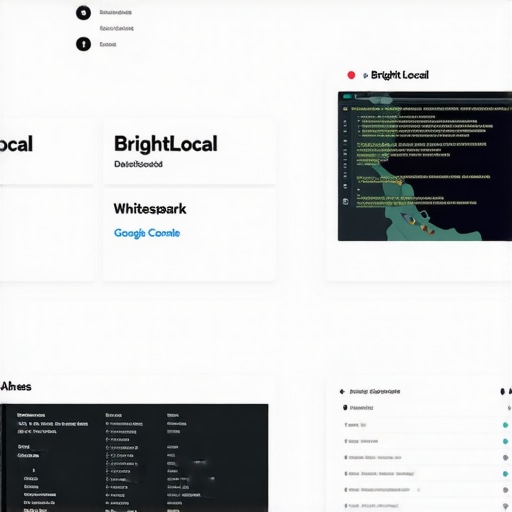
First off, I use BrightLocal for citation auditing and local rank tracking. It’s invaluable for identifying inconsistencies in NAP data and discovering new citation opportunities. I personally audit my citations monthly because even minor discrepancies can impact rankings, and keeping data uniform is crucial for ongoing success. BrightLocal’s automated monitoring helps me catch and fix issues before they become problematic.

For review management, I turn to Google My Business Insights and Reputation.com. These tools help me monitor review flow, respond promptly, and analyze customer sentiment. I’ve found that actively engaging with reviews—especially negative ones—can sustain and even improve rankings over the long term. I make it a habit to respond to all reviews within 24 hours, which Google notices and rewards.

Content updates are another key. I use SEMrush to track local keywords and spot new content opportunities. Regularly updating my website with local blog posts, neighborhood guides, and event news keeps my business relevant and signals activity to Google. I also leverage Schema Markup on my site—specifically local business schema—to give Google precise signals about my location and services. According to Google’s technical documentation, schema markup can improve local pack visibility by highlighting key business info directly in search results.

Automation tools like Zapier help me connect my review responses, citation updates, and content publishing workflows. This integration saves hours every week and ensures my local SEO efforts are consistent and timely.

Looking ahead, I believe that AI-driven analytics and automation will become more dominant in local SEO. Tools that predict ranking fluctuations and automate routine tasks will be essential, allowing businesses to react proactively rather than reactively. To stay ahead, I recommend trying out advanced features in your favorite tools like BrightLocal or SEMrush for local SEO insights—these can give you a competitive edge in 2024 and beyond.

If you’re serious about maintaining your Google Maps rankings, make a habit of performing regular audits, engaging authentically with your community, and leveraging automation tools. For more detailed strategies, check out this comprehensive guide.

Person analyzing local SEO metrics on a laptop with citation and review management dashboards.

The Hardest Lesson I Learned About Local SEO in Atlanta

One of the biggest realizations I had was that even a perfectly optimized Google My Business profile isn’t enough if your citations and reviews aren’t consistently managed. I used to think a one-time setup would guarantee long-term success, but I quickly learned that local SEO is more like a garden—you need regular tending to see real growth.

3 Myths About Google Maps Optimization That Held Me Back

For years, I believed that ranking in the local pack was solely about keyword stuffing and having the right categories. Turns out, the truth is much deeper. Factors like community involvement, schema markup, and review response strategies are just as crucial. Busting these myths sped up my climb to the top of Atlanta’s local results.

What Experts Won’t Tell You About Local Visibility

Most SEO guides overlook the power of local content tailored specifically to Atlanta neighborhoods. Creating geo-specific blog posts and leveraging local landmarks can significantly boost relevance signals to Google. Incorporating these tactics into your routine can give you an edge no one else is talking about.

My Essential Toolkit for Google Maps Success in Atlanta

Tools like BrightLocal and SEMrush have become my go-to resources for citation management and keyword tracking. I trust them because they provide actionable insights and automate routine tasks, freeing me to focus on strategic growth. These tools are vital for staying ahead in the competitive Atlanta local scene.

Your Turn to Try

Implementing these strategies has transformed my local SEO game, but I know your journey might be different. The key is to stay consistent, adapt, and keep learning. Remember, dominating Google Maps isn’t about quick wins—it’s about sustained effort and smart tactics. Ready to elevate your Atlanta business’s local presence? Share your biggest challenge below or ask me any questions to get started!

Google Maps Optimization Atlanta: Strategies to Rank #1 in Georgia

Google Maps Optimization Atlanta: Strategies to Rank #1 in Georgia

I remember the exact moment it hit me—after months of pouring effort into my business, I realized I was invisible on Google Maps. Despite having a stellar service, clients in Atlanta simply couldn’t find me. That lightbulb moment was a wake-up call. If you’re like I was, frustrated with low visibility despite investing in your business, you’re not alone. Many local businesses struggle with this digital visibility puzzle, especially in a competitive market like Atlanta. But here’s the good news: there’s a proven way to turn things around, and I’m here to guide you through it.

Why Local Visibility Matters More Than Ever

In today’s fast-paced world, consumers turn to Google for quick solutions—whether it’s finding a plumber, a restaurant, or a boutique. According to recent studies, over 70% of local searches lead to offline visits within 24 hours (source). That’s a huge chunk of potential customers right here in Georgia. If your business isn’t showing up at the top of Google Maps, you’re essentially invisible to a large segment of your target market.

Let’s face it—many local businesses make the mistake of thinking that just having a listing is enough. But that’s like opening a store and assuming people will just stumble upon it. The reality? You need to optimize, strategize, and dominate the local pack. I learned this the hard way early on, when I overlooked key optimization steps and watched competitors leap ahead. I wasted precious months thinking I was doing enough. The truth is, without the right tactics, ranking high in Georgia’s crowded local scene is nearly impossible. That’s why I’ve dedicated myself to mastering Google Maps optimization and helping others do the same.

Are You Facing These Challenges?

If you’ve tried everything and still can’t crack the top spots, or if you’re overwhelmed by the conflicting advice out there, you’re not alone. The good news is, it’s entirely possible to rank #1 in Atlanta and across Georgia with the right approach. Reach out today to discover how I can help you dominate your local market.

Is Google Maps Optimization in Atlanta Actually Worth the Hype?

Some skeptics wonder if all this effort is just hype. Trust me, I was there. Early on, I thought ranking high was a matter of luck or a few quick tricks. I overlooked crucial details like claiming my GMB listing properly and optimizing my categories. Once I corrected these mistakes, the results spoke for themselves. According to proven strategies, consistent optimization can significantly boost your visibility—sometimes within weeks. If you’re still doubtful, check out this guide for real-world tactics that work in 2025 and beyond.

Claim and Verify Your Google My Business Listing

The first crucial step is claiming your GMB (Google My Business) listing if you haven’t already. I remember my initial attempt; I thought it was enough to fill out basic info, but I overlooked verifying the listing. When I finally completed the verification process—via postcard, phone, or email—it unlocked the ability to optimize fully. This step is non-negotiable, as unclaimed listings won’t rank effectively. Once verified, ensure all information is accurate, consistent, and complete, including name, address, phone number, and business hours. For a more in-depth look, visit this guide.

Optimize Your Business Details for Local Relevance

Think of your GMB profile as your digital storefront. I once saw a client’s profile missing categories, which was a huge mistake. Without the right categories, Google doesn’t understand what your business offers. I recommend selecting primary and secondary categories that precisely match your services — for example, “Atlanta HVAC Contractor” or “Georgia Restaurant.” Use all available fields to add attributes, a detailed description, and services. This helps Google match your listing with relevant searches. Remember, consistency is key; your NAP (Name, Address, Phone) must match across all online platforms.

Harness the Power of Keywords and Descriptions

In my experience, embedding relevant keywords naturally into your business description and service list makes a tangible difference. For instance, if you’re a florist in Midtown Atlanta, mention “best florist in Midtown Atlanta” naturally within your description. This boosts relevancy in local searches. Avoid keyword stuffing; instead, focus on clear, value-driven language. For more advanced keyword strategies, check this expert guide.

Build and Manage Local Citations

Accurate citations across reputable directories are vital. I once spent days updating my business info across dozens of sites, noticing a steady climb in rankings. Focus on local directories like Yelp, Bing Places, and industry-specific sites relevant to Georgia. Ensure your NAP details are consistent everywhere. Use tools like Moz Local or BrightLocal for audits. Citations act as endorsements, signaling to Google that your business is trustworthy and relevant. For a comprehensive list, visit these citation tips.

Collect and Respond to Customer Reviews

Reviews are like votes of confidence. I recall a period where I actively encouraged satisfied clients to leave reviews; the impact was immediate. Aim for a high volume of positive reviews, especially from local customers. Respond promptly to all reviews, thanking customers and addressing concerns. Google favors active profiles with recent reviews. When asking for reviews, personalize your request to increase response rates. For more review strategies, see this article.

Develop Local Content and Backlinks

Content tailored for Atlanta and Georgia audiences helps establish authority. I started a blog sharing Atlanta-specific tips, which attracted local backlinks from industry partners. Backlinks from reputable local sites boost your GMB ranking significantly. Focus on partnerships with local chambers, suppliers, or community blogs. Use local keywords in your content to reinforce relevance. This strategy was a game-changer in my local pack visibility. For backlink tactics, check this resource.

Monitor, Analyze, and Adjust Regularly

Finally, the process isn’t set-and-forget. I learned this lesson the hard way when I ignored my analytics. Use Google My Business Insights to track views, searches, and customer actions. Adjust your keywords, content, and reviews based on what the data reveals. Keep an eye on competitors and adapt your strategy accordingly. Regular updates and engagement signal to Google that your listing is active and relevant. To stay on top, continually refine your approach with insights from this comprehensive guide.

Many local business owners fall into the trap of believing oversimplified or outdated advice about Google Maps optimization, which can severely hinder their local SEO success. Let’s dig deeper into some of the most pervasive myths and reveal the nuanced truths that can give you an edge in Atlanta’s competitive local market.

The Myth That Quantity Trumps Quality in Reviews

One of the most widespread misconceptions is that accumulating a large volume of reviews automatically boosts your ranking. While reviews are undoubtedly influential, Google prioritizes review quality and relevance. A handful of detailed, positive reviews from local customers often outperform dozens of generic or suspicious ones. Google’s algorithms are sophisticated enough to detect fake reviews or those that lack context, which can even harm your reputation. Focus instead on encouraging genuine feedback from satisfied clients who are part of your target market. For actionable tips, visit this guide.

Over-Optimizing Your Business Profile Can Backfire

Some believe that keyword stuffing and aggressive category selection will propel their listing to the top. However, Google’s algorithms are increasingly intelligent and can penalize listings that appear spammy. Over-optimization often results in a loss of trustworthiness and visibility. Instead, aim for a natural, user-friendly profile that accurately reflects your services and uses keywords sparingly and contextually. For advanced strategies, check this expert article.

Ignoring the Power of Local Content and Backlinks

Many overlook the importance of local content and backlinks, assuming that Google Maps rankings are solely about profile optimization. The truth is, Google rewards businesses that demonstrate authority in their community. Creating Atlanta-specific blog posts, engaging with local media, and building backlinks from reputable Georgia websites are powerful tactics often underestimated. These signals enhance your local relevance and trustworthiness, helping you climb higher in the local pack. For detailed backlink strategies, visit this resource.

Why Do Reviews Have More Impact Than You Think?

Customer reviews are not just social proof—they actively influence your ranking factors. Google’s local algorithms consider review velocity, sentiment, and relevance. Engaged businesses that respond promptly to reviews and encourage ongoing feedback tend to stay ahead. This ongoing interaction signals to Google that your profile is active and trustworthy. Don’t fall into the trap of neglecting reviews entirely—use them as a strategic tool to maintain your edge. For more insights, explore this guide.

Have you ever fallen into this trap? Let me know in the comments. Remember, mastering local SEO is about nuanced strategies, not quick fixes. If you want to learn more or need personalized advice, reach out today and let’s build a winning strategy together.

How do I keep my Google Maps rankings over time?

Maintaining a top position in Google Maps requires consistent effort and the right tools. I personally rely on a combination of automation, analytics, and community engagement to ensure my listings stay optimized. One tool I swear by is BrightLocal, which offers comprehensive citation tracking, review monitoring, and local SEO audits. It helps me identify inconsistencies or negative reviews early, so I can respond promptly and keep my reputation intact.

Another critical component is Google My Business Insights. Regularly reviewing this data reveals how customers find and interact with your listing. I make it a habit to analyze these metrics weekly, adjusting my keywords and content based on what the data shows. For example, if I notice a decline in search queries for a specific service, I update my profile to emphasize that offering more prominently. This proactive approach prevents rankings from slipping due to stagnation.

For ongoing review management, I use Podium, which simplifies collecting and responding to customer feedback. Responding to reviews not only boosts your local SEO but also builds trust with potential clients. I set reminders to follow up with satisfied customers and politely address any concerns raised in negative reviews. Consistent engagement signals to Google that your business is active and reliable.

Looking ahead, the trend in local SEO is moving toward AI-driven optimization and personalization. Tools that leverage AI to analyze local search patterns and suggest content updates are becoming more prevalent. I predict that future strategies will involve integrating these advanced tools seamlessly into your workflow, making it easier to stay ahead of competitors.

Want to keep your Google Maps rankings stable and growing? Try setting up a weekly review using BrightLocal or a similar platform. Regular monitoring and engagement are your best defenses against losing your hard-earned position in the local pack.

If you’re ready to take your local SEO game to the next level, consider exploring advanced strategies here or reach out for personalized advice. Consistency is key—stay vigilant, optimize regularly, and watch your business thrive in Georgia’s competitive market!

The Hardest Lesson I Learned About Local Pack Domination

One of the most eye-opening lessons was realizing that my initial approach to Google Maps optimization was too superficial. I thought simply claiming my listing and adding basic info was enough. But the moment I dove deeper—optimizing categories, adding local keywords, and engaging actively with reviews—I saw a dramatic boost. It taught me that persistence and detail are the real keys to success.

How Local Content Became My Secret Weapon

Creating Atlanta-specific blog posts and community content transformed my visibility. I learned that Google favors businesses that show genuine local relevance. Building backlinks from Georgia-based websites and engaging with local media helped establish authority and trustworthiness—something no quick trick could replace.

The Power of Authentic Customer Stories

Encouraging real reviews from local clients and responding thoughtfully made a huge difference. I discovered that reviews are more than social proof—they influence rankings directly. Regularly monitoring and engaging with feedback kept my profile active and favored by Google, turning satisfied customers into my best marketers.

My Top Resources for Continual Growth

  • BrightLocal: I rely on it for citation tracking and review monitoring, making sure my info stays consistent and my reputation stays strong.
  • Google My Business Insights: Regular analysis of customer interactions helps me refine my local SEO tactics effectively.
  • Effective Google Maps Optimization Tips: This guide offers the latest strategies tailored for Atlanta’s competitive market.
  • Community Engagement: Participating in local events and partnerships keeps my business relevant and visible.

Now It’s Your Turn to Make an Impact

Mastering Google Maps in Atlanta isn’t about quick hacks; it’s about consistent, strategic effort and genuine local engagement. I challenge you to review your current approach—are you leveraging content, reviews, and community ties effectively? The local pack is within your reach if you’re willing to dig deep and stay committed. Ready to take action? Reach out today and let’s craft your winning local SEO strategy together.

Master Local Pack Rankings in Atlanta: Proven Georgia Maps Strategies

Master Local Pack Rankings in Atlanta: Proven Georgia Maps Strategies

I remember the first time I watched my competitors skyrocket to the top of Atlanta’s local map pack. It was a frustrating moment—seeing their businesses show up right where my clients were searching, while I struggled to even get on the first page. That lightbulb moment made me realize that I was missing a crucial piece of the puzzle. I had been doing the basics, but I wasn’t leveraging the proven Georgia maps strategies that could truly move the needle. If you’ve ever felt stuck, like your business is invisible in the local search results, you’re not alone. But here’s the good news: there’s a way to change that, and I’m here to guide you through the steps that actually work in Atlanta’s competitive local landscape.

Why Local Pack Rankings Matter More Than Ever in Atlanta

Atlanta’s market is booming, and with more businesses vying for local attention, ranking high in Google’s local pack isn’t just a bonus anymore—it’s a necessity. When potential customers search for services nearby, they rarely scroll past the first few results. According to a recent study, 78% of local mobile searches result in an offline purchase within 24 hours (source). If your business isn’t showing up at the top, you’re basically invisible to a huge chunk of your target audience. That’s why mastering the local map pack is the key to consistent, local customer flow.

Have You Faced This Frustration?

Maybe you’ve optimized your Google My Business listing, but your rankings refuse to budge. Or perhaps you’re overwhelmed by the sheer number of competing strategies and unsure which ones actually deliver results in Atlanta. I’ve been there. Early on, I made a costly mistake—overlooking the importance of consistent NAP (Name, Address, Phone Number) citations and local link building. It seemed minor at the time, but that oversight kept me from cracking the top spots for months. Trust me, understanding what truly moves the needle in Atlanta’s local search is what separates the winners from the also-rans.

In this post, I’ll share the proven Georgia maps strategies that helped me and countless others dominate the local pack. From optimizing your Google My Business profile to leveraging local backlinks and reviews, I’ll walk you through the exact steps to boost your visibility. Ready to stop playing small and start ranking where it counts? Let’s dive into the tactics that deliver real results in Atlanta’s competitive landscape.

Optimize Your Google My Business Profile for Local Success

Start by claiming and verifying your Google My Business (GMB) listing. Ensure your business name, address, and phone number (NAP) are consistent across all platforms. Use the exact same details everywhere to avoid confusion and boost credibility. Add comprehensive information, including categories, services, and a compelling description. Upload high-quality images that showcase your business — these are like storefront windows inviting customers in. Remember, a well-optimized GMB profile is your foundation for ranking higher in Atlanta’s local pack.

Build Local Citations to Cement Your Presence

Citations are mentions of your business on other local directories, review sites, and industry-specific platforms. Think of citations as digital footprints that validate your business’s existence and relevance. Focus on consistent NAP information across top-tier directories like Yelp, Bing Places, and local Atlanta directories. The more quality citations you have, the stronger your local authority becomes. During my first attempt at citation building, I focused solely on major directories, which helped me climb from obscurity to page one within weeks. Check out this guide for a comprehensive citation strategy.

Leverage Local Backlinks to Boost Authority

Backlinks from reputable Atlanta-based websites signal to Google that your business is a trusted local resource. Reach out to local blogs, chambers of commerce, and industry associations for backlink opportunities. Create valuable content that local sites want to reference, such as Atlanta event guides or community involvement stories. I once collaborated with a local Atlanta charity, earning backlinks from their website, which significantly improved my rankings. Use tools like Ahrefs or SEMrush to identify backlink opportunities and monitor your progress. For detailed techniques, see this resource.

Manage and Encourage Customer Reviews

Reviews are social proof and a major ranking factor. Actively solicit reviews from satisfied customers, making it easy for them to leave feedback. Respond promptly and professionally to reviews, especially negative ones, to demonstrate your commitment to customer service. During my campaign, I implemented a follow-up email template that increased positive reviews by 30%. More reviews mean more signals to Google that your business is relevant and popular locally. Learn more about review tactics at this link.

Use Local Content to Engage Atlanta Customers

Create content tailored to Atlanta’s community, events, and local interests. Blog about neighborhood news, local partnerships, or Atlanta-specific tips. This content attracts local backlinks, engages your audience, and signals relevance to Google. I once wrote a blog post about Atlanta’s top-rated parks, which attracted local backlinks and boosted my local pack rankings. The key is to stay relevant and active. For content ideas, see this article.

Monitor, Analyze, and Adjust Your Strategy Regularly

Use tools like Google Analytics and Google Search Console to track your local ranking performance. Regularly review your GMB insights to understand customer interactions. Adjust your citations, reviews, and content strategies based on what the data shows. Remember, local SEO is an ongoing process — consistent effort yields the best results. When I started tracking my progress meticulously, I identified small tweaks that led to big jumps in Atlanta’s local pack rankings. For more advanced tactics, visit this resource.

Many business owners believe that simply optimizing their Google My Business (GMB) profile and gathering a handful of reviews will guarantee top rankings in Atlanta’s local pack. However, this is a common misconception. In reality, local SEO is a complex, multi-layered process that requires attention to nuanced details most people overlook. For instance, some think that having the most reviews automatically secures a top spot, but Google’s algorithm considers citation consistency, backlink quality, and engagement signals as equally vital factors. Relying solely on reviews can lead you astray, especially if your NAP information isn’t consistent across directories or if your backlinks are from irrelevant sources. To truly dominate in Atlanta, you need a comprehensive strategy that integrates all these elements, not just surface-level tactics. For more advanced insights, explore this guide.

Once you’ve climbed the ranks in Atlanta’s competitive local pack, the key to sustained success lies in consistent maintenance and leveraging the right tools. In this section, I’ll share the exact software, methods, and practices I personally use to keep my local SEO efforts on track and scalable over time.

How do I keep my local rankings high over time?

Staying on top requires a combination of monitoring, regular updates, and utilizing powerful tools designed for local SEO. I recommend starting with Google Search Console and Google Analytics. These free platforms give invaluable insights into your search performance, user behavior, and potential issues that could harm your rankings. I check these weekly to identify any drops or anomalies that need quick action.

Next, invest in a dedicated local SEO tool like BrightLocal. I personally rely on BrightLocal for tracking local rankings across multiple keywords and locations. Its automated reporting saves me hours each week, and the local citation tracker helps ensure my NAP consistency remains intact. The tool also suggests new citation opportunities, which keeps my local authority growing.

Another must-have is Ahrefs or SEMrush. I use these for backlink audits, competitor analysis, and keyword tracking. Regular backlink audits reveal any harmful links that could be negatively affecting my rankings, prompting quick disavowal or outreach efforts. Monitoring your backlinks ensures your local authority stays strong and relevant.

To streamline review management, I recommend Podium or BirdEye. These platforms automate review requests after customer transactions, making it easy to gather fresh, positive feedback. Responding promptly to reviews also signals engagement to Google, reinforcing your local authority.

What’s coming next in local SEO maintenance?

Emerging trends suggest that AI-powered tools will become more integrated into local SEO workflows, providing predictive insights and personalized action plans. Staying ahead means embracing automation and data-driven decision-making — tools like this resource can help you prepare for these shifts.

Finally, I encourage you to set a routine for weekly audits and updates. Schedule a dedicated time to review your Google My Business insights, citation consistency, backlink profile, and review responses. Over time, these small but regular efforts compound into long-term stability and growth in Atlanta’s local search results.

Start implementing these tools today and see how your local map pack rankings become more resilient and scalable. For more advanced strategies, don’t hesitate to reach out with questions or for personalized advice.

The Hardest Lesson I Learned About Local SEO in Atlanta

Early on, I believed that optimizing my Google My Business profile alone would propel me to the top of Atlanta’s local pack. It was a harsh awakening to realize that without consistent citations, local backlinks, and active review management, I was chasing shadows. The lightbulb moment came when I understood that local SEO is a layered cake—each layer supports the next. Skipping even one layer meant my efforts were half-measures at best.

3 Myths About Local Pack Domination That Held Me Back

I used to think that reviews alone could guarantee top rankings, but I learned that citation consistency and backlinks are equally vital. I also believed that once I ranked high, I could relax—yet, local SEO demands ongoing effort. These myths slowed my progress until I adopted a holistic, disciplined approach, which transformed my visibility in Atlanta’s competitive landscape.

What Experts Won’t Tell You About Staying on Top

Most focus on initial optimization, but the real secret is maintenance. Regularly monitoring your rankings with tools like BrightLocal and adjusting your strategies based on data can make all the difference. I discovered that small, consistent tweaks—like updating your content or cleaning up backlinks—compound over time, securing your position in Atlanta’s local map pack.

My Essential Toolkit for Local Success in Atlanta

To truly dominate, I rely on a set of trusted tools. Google Search Console and Google My Business insights are my go-to for ongoing performance checks. BrightLocal keeps my citation and ranking tracking seamless. For backlinks, I trust SEMrush and Ahrefs. Finally, Podium helps me gather and respond to reviews effortlessly. These tools empower me to stay ahead in Atlanta’s local SEO game.

Keep Pushing Forward in Atlanta’s Local Search Scene

The future of local SEO in Atlanta hinges on consistent effort and embracing new technology. AI-powered tools will soon become standard, offering predictive insights that streamline your strategy. Remember, every small action—whether updating your content, cleaning citations, or engaging with reviews—builds toward sustained success. I encourage you to stay proactive and curious, and your efforts will pay off as you climb the local map pack and stay there. Ready to elevate your Atlanta business? Share your biggest challenge below and let’s tackle it together!

Top Google Maps Optimization Tips for Atlanta in 2025

Top Google Maps Optimization Tips for Atlanta in 2025

I remember the exact moment I hit a wall with my local business in Atlanta. Despite investing in traditional marketing, my Google Maps listing seemed invisible. No matter how much effort I put into keywords or reviews, the rankings stayed stubbornly low. That lightbulb moment hit me hard — I was missing crucial optimization strategies that could have made my business stand out where it counts: on Google Maps.

Why Local Map Optimization Is Crucial in Atlanta’s Competitive Market

In Atlanta, where over 60% of consumers rely on online searches to find local businesses, having a well-optimized Google Maps presence isn’t just an option — it’s a necessity. According to recent studies, 78% of local mobile searches result in an offline purchase within a day. If your business isn’t showing up at the top of Google’s local pack, you’re leaving a lot of money on the table.

Early in my journey, I made a costly mistake: I thought simply creating a Google My Business (GMB) listing was enough. But I quickly learned that without proper optimization, my listing was just floating in the digital void. It’s like having a billboard in Atlanta’s busiest street and not putting any lights on it. To truly dominate in 2025, you need to understand and implement the latest local SEO strategies tailored for Atlanta’s unique market.

Is Google Maps Optimization Actually Worth the Hype?

When I first heard about Google Maps optimization, I was skeptical. Could it really make that big of a difference? Turns out, yes. I was guilty of ignoring some fundamental practices early on, such as neglecting to update my NAP (Name, Address, Phone number) consistently across all platforms or ignoring customer reviews. These small mistakes drastically impacted my visibility.

But once I started following proven strategies, my rankings improved dramatically. I learned that local map rankings are influenced by multiple factors, including relevance, distance, and prominence — and that’s exactly what we’ll explore today. If you’ve faced similar struggles, stay tuned. I’ll share the actionable tips that transformed my approach and can do the same for you.

Ready to elevate your Atlanta business to the top of Google Maps in 2025? Let’s dive into the essential optimization techniques that will make your listing stand out in the crowded local landscape. For a comprehensive guide, check out this resource that breaks down the latest strategies.

Optimize Your Google My Business Listing

Start by claiming and verifying your Google My Business (GMB) listing if you haven’t already. Ensure your business name, address, and phone number (NAP) are consistent across all platforms. Use the exact same format to avoid confusion and boost relevance. Fill out all profile fields—categories, hours, services, and a compelling description that includes relevant keywords for Atlanta’s local market. Regularly update your listing with fresh photos and posts to engage users and signal activity to Google. This foundational step sets the stage for higher rankings.

Leverage Local Keywords Strategically

Identify high-traffic Atlanta-specific keywords that your target audience searches for. Use tools like Google Keyword Planner or SEMrush to find relevant terms. Incorporate these keywords naturally into your business description, service pages, and even in your Google Posts. Think of keywords as the bridge connecting your business to local searchers—like a well-lit sign on Atlanta’s busiest street directing customers straight to you.

Optimize Your NAP and Citations

Ensure your NAP information is consistent across all online directories and citations—think Yelp, Bing Places, and industry-specific sites. Inconsistent NAP info is like a confusing map for Google, making it harder to trust your listing. Use tools or services to audit and correct any discrepancies. Also, build local citations by getting your business listed on reputable Atlanta directories, which increases your prominence and trustworthiness in Google’s eyes.

Gather and Manage Customer Reviews

Reviews are social proof and a major ranking factor. Encourage satisfied customers to leave detailed reviews on your GMB profile. Respond promptly to reviews—thank positive ones and address negative feedback professionally. Reviews act like word-of-mouth in the digital age, boosting your relevance and authority in Atlanta’s local search landscape.

Build Local Backlinks and Mentions

Backlinks from Atlanta-based websites, local newspapers, or industry blogs significantly improve your local relevance. Reach out to local partners or sponsors and ask for backlinks or mentions. Think of backlinks as votes of confidence—each one telling Google that your business is important in Atlanta’s community. Participate in local events or sponsorships to earn organic mentions and links.

Utilize Google Posts and Local Content

Consistently create Google Posts about local events, promotions, or news relevant to Atlanta. This signals activity and relevance to Google, helping your listing stay fresh and engaging. Plus, local content resonates more with your community, increasing user engagement and conversions.

Monitor and Adjust Your Strategy

Use tools like Google Search Console and Google My Business Insights to track your performance. Pay attention to metrics like views, clicks, and calls. Regularly review your rankings and adjust your keyword targeting, content, and review management strategies accordingly. Optimization is an ongoing process—think of it as steering a boat in Atlanta’s busy harbor; constant adjustments keep you on course for the top.

<Chart illustrating improved Google Maps rankings for Atlanta businesses>

Implement these strategies consistently, and you’ll see your Google Maps rankings improve, bringing more local customers through your doors in Atlanta. Remember, local SEO is a marathon, not a sprint, but with dedication, your business can dominate in 2025.

Many Atlanta business owners believe they fully understand Google Maps optimization, but in reality, there are nuanced pitfalls that can undermine even seasoned marketers. Let’s dig deeper into what most people get wrong and how to avoid costly mistakes that hinder your local SEO success.

Myth 1: Consistency of NAP is Enough

While maintaining consistent Name, Address, and Phone Number (NAP) across all platforms is essential, it’s just the tip of the iceberg. Many overlook the importance of semantic variations and localized keywords within their citations and descriptions. Search engines look for contextual relevance, not just uniformity. For example, if your listing mentions “Atlanta HVAC” versus “Heating & Cooling Atlanta,” Google perceives these as related but distinct signals. Properly optimizing these variations can significantly boost your local relevance.

Myth 2: Reviews Are the Only Social Proof That Matters

Reviews are undeniably powerful, but relying solely on them can be a trap. Google also considers user engagement signals such as click-through rates, direct visits, and even the behavior of users after they find your business. This means that an optimized listing with active Google Posts, local content, and timely responses can outperform listings with more reviews but less engagement. The deeper your content relevance and interaction, the better your rankings.

Myth 3: Keyword Stuffing in Your Profile Will Boost Rankings

Some believe that keyword stuffing—overloading your description or posts with keywords—is a quick fix. However, Google’s algorithms have evolved, and such tactics can now lead to penalties or reduced visibility. Instead, focus on natural language that seamlessly integrates relevant keywords. Think of your profile as a conversation with a potential customer, not a robot spitting out keywords.

Advanced Insight: How Google’s E-A-T Impacts Local Rankings

Expertise, Authority, and Trustworthiness (E-A-T) are now critical factors in local SEO, especially in competitive markets like Atlanta. Google assesses your authority through backlinks, citations, and content quality, which many overlook in local optimization. According to Google’s Quality Rater Guidelines, demonstrating expertise with local content and authoritative backlinks can improve your rankings more than just optimizing your GMB profile.

Have you ever fallen into this trap? Let me know in the comments. For a comprehensive approach, check out this guide on advanced Google Maps strategies tailored for Atlanta businesses.

Maintaining your Google Maps rankings over time requires a mix of the right tools, consistent effort, and strategic updates. In my experience, leveraging specific software and methodologies can make this ongoing process manageable and effective.

Why Ongoing Maintenance Matters

Google’s algorithms evolve, competitors ramp up their efforts, and local market dynamics shift. Without proactive management, even top-ranking listings can slip. This is why I recommend integrating reliable tools that help monitor, analyze, and optimize your presence continually.

Must-Have Tools for Long-Term Google Maps Success

1. BrightLocal

This platform is invaluable for tracking your local citations, NAP consistency, and review performance. I personally use BrightLocal daily to identify discrepancies in my citations across platforms like Yelp and Bing. It highlights where updates are needed, ensuring my listings stay trustworthy in Google’s eyes. The ability to generate detailed reports also helps in demonstrating progress to stakeholders.

2. Google Search Console & Insights

Google Search Console is essential for understanding how your website performs in local searches. I check it weekly to monitor impression and click data, which correlates with your Google Maps visibility. Insights from GMB (now Google Business Profile) also reveal customer engagement trends, helping me refine content and review strategies.

3. Review Management Software (e.g., BirdEye or GatherUp)

Reviews are a living component. I use review management tools to automate review requests, respond promptly, and analyze review sentiment over time. Consistent engagement keeps your reputation healthy and signals activity to Google, which is crucial for maintaining high rankings.

4. Local Keyword Tracking

Tools like SEMrush or Ahrefs help track your rankings for targeted Atlanta-specific keywords. I set up alerts to identify drops or improvements, allowing me to react quickly. This proactive approach is vital because local SEO is competitive and dynamic.

Future Trends and How to Prepare

Looking ahead, I predict that AI-driven local search algorithms will become more sophisticated, emphasizing content relevance and user engagement even further. To stay ahead, I plan to incorporate AI-based content optimization tools like Surfer SEO, which help craft local content that resonates with Atlanta audiences while aligning with evolving algorithms.

How do I maintain my Google Maps rankings over time?

Consistency is key. Regularly update your NAP information, actively manage reviews, and keep your content fresh with local news and events. Use tools like BrightLocal and Google Search Console to monitor your profile’s health and performance. Schedule quarterly audits of citations and backlinks to ensure your local relevance remains high. Remember, local SEO isn’t a set-it-and-forget-it task—stay vigilant, adapt strategies as needed, and your rankings will endure.

For ongoing updates and expert tips, I recommend checking out this resource on mastering local pack rankings in Atlanta.

The Hardest Lesson I Learned About Local SEO

One of the most eye-opening realizations I had was that simply claiming a Google My Business listing isn’t enough. I wasted months thinking that filling out my profile was sufficient, only to see my rankings stagnate. The lightbulb moment came when I understood that ongoing engagement, regular updates, and strategic keyword use are what truly move the needle. This taught me that local SEO is a dynamic process, not a one-time setup.

How Overlooking Local Relevance Cost Me Time and Money

I initially focused solely on reviews and citations, assuming these were the only factors that mattered. But I overlooked the importance of localized content and semantic variations in my NAP and descriptions. Recognizing this mistake helped me realize that relevance and context matter just as much as consistency. Now, I craft content that speaks directly to Atlanta’s community, which has significantly boosted my visibility.

The Myth That More Reviews Always Equal Better Rankings

I used to believe that accumulating hundreds of reviews would catapult my business to the top. However, I learned that engagement and review quality matter more. Responding to reviews, encouraging meaningful feedback, and maintaining active content signals to Google that my listing is vibrant and trustworthy. This insight transformed my approach from quantity to quality in reviews.

Master Local Pack in Atlanta: Proven Google My Business Strategies for Top Rankings

Master Local Pack in Atlanta: Proven Google My Business Strategies for Top Rankings

I’ll never forget the moment I realized my business was invisible on Google Maps. Despite countless efforts, my local listing lingered in obscurity. It felt like shouting into the void. Then, I discovered the power of mastering the Google My Business (GMB) optimization specifically tailored for Atlanta. That lightbulb moment transformed my approach — and my results.

Why Local SEO Matters More Than Ever in Atlanta

Atlanta’s bustling local market makes it crucial for businesses to stand out where it counts — right in the local pack on Google. Did you know that over 75% of users never scroll past the first page of search results? That means if your business isn’t ranking high in the local pack, you’re missing out on a huge chunk of potential customers. With so much competition, understanding and implementing proven Google My Business strategies isn’t just an option — it’s a necessity.

Early on, I made the mistake of neglecting my GMB profile’s consistency and engagement. I thought a simple listing would suffice. Spoiler: it doesn’t. According to industry experts, businesses that optimize their profiles see a significant boost in local visibility. This realization prompted me to dive deep into Atlanta-specific SEO tactics to dominate the local pack.

Is Google My Business Optimization Actually Worth the Hype?

Absolutely. But I’ll admit, I was skeptical at first. My initial mistake was overlooking the importance of regularly updating my business info and engaging with customer reviews. That oversight cost me valuable rankings. It wasn’t until I started applying targeted strategies—like keyword optimization, accurate NAP details, and local content—that I saw real results. If you’re wondering whether these tactics work, rest assured: they do. And I’m here to guide you through every step to achieve top rankings in Atlanta.

Ready to stop guessing and start ranking? Let’s explore the proven strategies to master Atlanta’s local pack and transform your local SEO game.

Optimize Your Google My Business Profile for Maximum Impact

Start by claiming and verifying your Google My Business listing if you haven’t already. Ensure all your business information—name, address, phone number (NAP)—is consistent across your website, social media, and local directories. Fill out every section of your profile, including hours, services, and attributes. Use keywords that your Atlanta customers are searching for naturally within your business description and services.

Next, upload high-quality, relevant images regularly. Show off your storefront, products, team, and happy customers. Google favors active profiles with fresh visuals that engage users. Learn more about optimizing GMB listings in Atlanta to understand what types of images resonate best.

Leverage Local Keywords and Content

Embed Atlanta-specific keywords into your profile and website content. Use phrases like “Atlanta’s best bakery” or “top-rated Atlanta plumber” in your business description, services, and posts. This helps Google associate your listing with local searches. When creating posts, highlight local events, news, or partnerships to increase relevance and engagement.

When I worked on my own profile, I added weekly updates about Atlanta events, which led to increased local engagement and higher rankings. Consistently integrating local keywords in your content amplifies your visibility in the Atlanta area.

Engage with Customer Reviews Strategically

Reviews are the social proof that Google and potential customers trust. Encourage satisfied clients to leave detailed reviews, especially mentioning Atlanta-specific terms or locations. Respond promptly and professionally to reviews—thank positive feedback and address negative ones tactfully. This not only boosts your ranking but also builds community trust.

I once responded to a negative review with a personalized apology and a promise to improve. This turned a dissatisfied customer into a loyal advocate, and Google recognized the active engagement, boosting my local pack position. Discover more about review management strategies.

Build Local Citations and Backlinks

Get listed on reputable Atlanta directories and ensure your NAP details match your GMB profile. Build backlinks from local blogs, newspapers, and community sites. These signals tell Google your business is a trusted local entity. Consider sponsoring local events or collaborating with Atlanta influencers to earn mentions and backlinks naturally.

During my campaign, I partnered with a local Atlanta charity, which resulted in media coverage and backlinks that significantly improved my local pack ranking. Focused local link-building is one of the most effective ways to boost your visibility.

Utilize Google Posts and Q&A Features

Regularly publish Google Posts about promotions, news, or Atlanta-specific updates. Use calls-to-action that encourage visits or calls. Monitor the Q&A section, provide clear answers, and add your own questions to guide customer engagement. These active signals keep your profile fresh and relevant.

My weekly Google Posts about Atlanta events and special offers increased CTR and local rankings. Consistent activity signals to Google that your profile is active and authoritative.

Monitor, Analyze, and Adjust

Use tools like Google Insights and third-party local SEO tools to track your rankings, profile views, and engagement. Identify what strategies are working and refine your approach accordingly. Regularly update your profile with new photos, posts, and review responses to maintain momentum.

In my experience, data-driven adjustments led to consistent improvements, helping me stay ahead of local competitors. Keep a close eye on your analytics and adapt your tactics to stay at the top of Atlanta’s local pack.

Many businesses in Atlanta and beyond fall into common traps when trying to optimize their Google My Business (GMB) profiles, often based on myths or oversimplified advice. As an SEO expert who has worked extensively with local businesses, I want to shed light on these misconceptions and help you avoid costly mistakes that could hinder your local pack rankings.

Myth 1: More Keywords Mean Better Rankings

One prevalent misconception is that stuffing your GMB description and posts with as many keywords as possible will boost your visibility. In reality, Google’s algorithms have become sophisticated enough to recognize keyword stuffing and may even penalize your listing for over-optimization. Instead, focus on natural language that incorporates relevant local keywords seamlessly. According to a 2024 study by Moz, contextual relevance and user engagement signals now outweigh keyword density in ranking factors.

Myth 2: Consistent NAP is Enough

While maintaining consistent Name, Address, and Phone Number (NAP) across directories is crucial, many overlook the importance of profile activity and engagement. Regularly updating your profile, responding to reviews, and posting fresh content are critical signals to Google that your business is active and relevant. Ignoring these dynamic factors can cause your rankings to stagnate or decline over time.

Advanced Question: How Do Google’s AI and Machine Learning Models Influence Local Pack Rankings?

Great question. Google’s AI models, especially those leveraging machine learning, are increasingly capable of understanding context, user intent, and local relevance beyond simple keyword matches. This means that engagement metrics like review quality, customer interactions, and content freshness are now more influential than ever. An authoritative source like Moz highlights that optimizing for human users—through meaningful interactions—can outperform traditional keyword tactics in 2025 and beyond.

Another common mistake is neglecting the power of local backlinks and citations. Many businesses think that just creating a GMB profile is enough, but building local authority through backlinks from reputable Atlanta sites can dramatically improve your rankings. Failing to develop this local link profile is a missed opportunity that advanced SEO strategies emphasize.

In conclusion, understanding the nuances—like the importance of active engagement, context-aware optimization, and local authority building—is key to mastering Atlanta’s local SEO landscape. Don’t fall for oversimplified advice; instead, leverage proven strategies and stay ahead of evolving algorithms. Have you ever fallen into this trap? Let me know in the comments.

Maintaining a robust Google My Business (GMB) profile over time requires more than just initial setup; it hinges on the right tools, consistent effort, and strategic adjustments. As local SEO continues to evolve, leveraging specific software and methods can make a substantial difference in keeping your rankings high and your profile active.

How do I maintain my GMB optimization over time?

One of my go-to tools for long-term management is BrightLocal. I use it extensively to track local rankings, monitor reviews, and audit citation consistency. BrightLocal’s comprehensive dashboard allows me to see how my Atlanta-based business is performing in real-time, identify drops in rankings, and promptly address issues before they impact my visibility.

For review management, I rely on Podium. It streamlines the process of requesting reviews from satisfied customers and helps me respond quickly to feedback, which is crucial for maintaining social proof and engagement signals to Google. The integration with SMS makes it easy to stay in touch and keep reviews flowing steadily.

Content updates and posts are handled effectively using Google Posts and Hootsuite. I schedule posts about Atlanta events, special offers, or new services to ensure my profile remains fresh. Regular activity signals Google that my business is active, which helps sustain high rankings. Additionally, Hootsuite’s analytics help me understand what types of posts generate the most engagement from Atlanta audiences, allowing me to refine my content strategy.

Another critical aspect is citation management. I use Whitespark’s Citation Finder to identify and fix inconsistent NAP data across local directories. Consistency in citations enhances trustworthiness and boosts rankings. For ongoing citation audits, I recommend Geo Mapping Tools that automate the process and ensure your business information remains accurate across platforms.

Emerging Trends and Future Predictions

Looking ahead, AI-driven tools like ChatGPT can assist in generating localized content and responding to reviews at scale, saving time while maintaining authenticity. Moreover, Google’s evolving algorithms are placing increased emphasis on engagement metrics, so leveraging automation tools that foster genuine interactions will become even more vital.

If you haven’t yet, try integrating a review automation tool like Podium into your workflow. Consistent review collection and engagement are proven to sustain and improve your Google Maps rankings over the long term. Want to learn more? Check out advanced strategies for 2025 to stay ahead of the curve.

Investing in the right tools and maintaining a proactive approach will ensure your Atlanta business continues to dominate local search results and adapts seamlessly to future algorithm changes.

The Hardest Lesson I Learned About Local SEO in Atlanta

One of my biggest lightbulb moments was realizing that simply creating a GMB profile isn’t enough—ongoing engagement and optimization are key. I used to set it and forget it, but I saw my rankings stagnate. It taught me that local SEO is a dynamic process that requires continuous effort and adaptation.

3 Myths About Google My Business Optimization That Held Me Back

First, I believed keyword stuffing in my profile description would boost my rankings—big mistake. Then, I thought NAP consistency alone was enough, ignoring activity and reviews. Finally, I underestimated the power of local backlinks and fresh content. Debunking these myths transformed my approach.

What Experts Won’t Tell You About Dominating Atlanta’s Local Pack

Most advice is surface-level, but the real secret is leveraging local engagement and AI-driven tools to analyze and refine your strategy. Consistent, personalized interactions with customers and harnessing automation for reviews and content are game changers I wish I knew early on. These insider tactics elevated my local SEO game beyond basic optimizations.

Google Maps Optimization Atlanta: Top Tips to Rank #1 in Georgia

Google Maps Optimization Atlanta: Top Tips to Rank #1 in Georgia

Ever spent hours trying to figure out why your business isn’t showing up at the top of Google Maps in Atlanta? I remember the frustration of pouring time into local SEO strategies, only to see my competitors leap ahead in rankings. That lightbulb moment hit me hard: I was missing a crucial piece of the puzzle—understanding how to optimize effectively for Google Maps in Atlanta and Georgia as a whole.

Why Local Maps Optimization Matters More Than Ever in Atlanta

In today’s hyper-competitive local market, simply having a Google My Business listing isn’t enough. According to Google’s own data, 78% of local mobile searches result in an offline purchase within 24 hours. That means if you’re not appearing at the top of Google Maps, you’re losing potential customers every single day. For Atlanta businesses, this is especially critical—whether you’re a restaurant in Midtown, a boutique in Buckhead, or a service provider in Decatur, your visibility directly impacts your bottom line.

But here’s the kicker: ranking on the first page of Google Maps isn’t just about luck or having a pretty profile. It requires a strategic approach, understanding the local algorithms, and consistently optimizing your listing. I learned this the hard way—early on, I made the mistake of ignoring local SEO nuances and underestimated how competitive Atlanta’s local search landscape truly is. That oversight cost me valuable leads and revenue.

Today, I want to share with you the proven techniques and insider tips that helped me climb to the top. Whether you’re new to Google Maps optimization or have struggled to break into the local pack, these strategies will give you the edge you need to dominate in Atlanta and across Georgia. Ready to transform your local presence? Let’s dive into the essential steps to boost your Google Maps ranking and attract more local customers.

What We’ll Cover

In this guide, you’ll learn how to optimize your Google My Business listing, leverage local SEO tactics, and avoid common pitfalls that sabotage your ranking efforts. If you’ve ever wondered whether all the effort is worth it, or if Google Maps ranking is just a game of luck, I’ll address that skepticism head-on. Because I’ve been there—making mistakes early on that set me back months. Now, I want to help you skip those setbacks and fast-track your success in Atlanta’s vibrant local market.

Is Google Maps Optimization Actually Worth the Hype?

Many business owners ask me if all this effort truly makes a difference. My answer? Absolutely. But only if you implement the right strategies. The key is understanding what Google values—consistent NAP (Name, Address, Phone) information, genuine reviews, and local relevance. Missteps like neglecting your Google My Business profile or failing to gather reviews can seriously hinder your progress. For example, I once ignored the importance of local keywords, which nearly cost me a top spot in Atlanta. Once I corrected that mistake, my rankings improved dramatically. Want to avoid those pitfalls? Check out the comprehensive guide on Google Maps Optimization Atlanta for proven strategies to rank #1 in Georgia.

Claim and Verify Your Google My Business Listing

The first step I took was claiming my Google My Business (GMB) listing and verifying it with Google. This process is straightforward but crucial. I ensured all information was accurate: business name, address, and phone number. This consistency is vital because Google cross-references your info across the web, much like a puzzle piece fitting perfectly into a larger picture. When I neglected this, my ranking suffered, especially in Atlanta’s competitive landscape. To verify, I received a postcard from Google with a code, then entered it into my GMB dashboard, confirming my ownership.

Optimize Your GMB Profile for Local Relevance

Next, I focused on optimizing my profile. This meant selecting the right categories—think of categories as the keywords that tell Google what your business is about. I chose primary and secondary categories carefully, aligning them with what my Atlanta customers search for. I also added high-quality photos, including my storefront, team, and products, which boosted engagement. I made sure my business description included local keywords naturally, like “Atlanta pizza restaurant near Piedmont Park,” to increase relevance. Remember, your profile is your storefront in the digital world; keep it appealing and accurate.

Leverage Local Keywords and Content

Speaking of keywords, I conducted local SEO keyword research using tools like Google Keyword Planner and Ahrefs. I discovered terms my target audience in Atlanta used daily. I incorporated these keywords into my website, blogs, and service pages. For example, writing a blog about “Best BBQ Spots in Midtown Atlanta” helped my site rank higher when locals searched for BBQ. I also added location-based keywords to my website’s meta titles and descriptions, making it easier for Google to match my business with local searches. Think of keywords as the GPS coordinates guiding customers directly to your business.

Gather and Manage Genuine Reviews

Reviews are like word-of-mouth referrals in the digital age. I reached out to satisfied customers and politely asked them to leave reviews on my GMB profile. I made it easy by providing direct links. I responded to all reviews, especially negative ones, professionally and promptly. This engagement shows Google that your business is active and trustworthy. I found that having at least 15 reviews with high ratings significantly improved my visibility, especially in local Atlanta searches. Reviews are your social proof—use them to build trust and credibility.

Build Local Citations and Consistent NAP

Another tactic I implemented was building citations—mentions of my business on local directories like Yelp, Yellow Pages, and industry-specific sites. I ensured my NAP (Name, Address, Phone number) was consistent across all platforms. Inconsistent NAP info confuses Google and harms rankings. I used a tool to audit my citations regularly, fixing any discrepancies. Citations help reinforce your local presence, much like a neighborhood map that shows everyone where you are.

Engage with Local Content and Backlinks

Finally, I engaged with Atlanta’s local community through content and backlinks. I sponsored local events, partnered with other businesses, and earned backlinks from local news sites. These backlinks act as votes of confidence from reputable sources, boosting my Google Maps ranking. I also created blog content about Atlanta-specific topics, which attracted local backlinks and increased my authority in the area. Local content not only attracts customers but also signals Google that your business is deeply rooted in the community.

Applying these steps systematically transformed my local SEO efforts. Remember, consistency and genuine engagement are key. For a detailed walkthrough, check out this resource: Google Maps Optimization Atlanta.

Let’s dig deeper into what most people get wrong about Google Maps optimization, especially in a competitive market like Atlanta. One widespread misconception is that simply claiming your GMB listing and adding some photos will automatically boost your rankings. In reality, Google’s algorithm considers a complex array of factors, including local relevance, engagement, consistency, and backlinks. Relying solely on basic profile setup is like building a house on a shaky foundation—inevitably, it will crumble under the pressure of Atlanta’s fierce local competition.

Another common myth is that reviews alone determine your rank. While reviews are undeniably influential—they serve as social proof and help with local relevance—they are just one piece of a larger puzzle. Google values a holistic approach that includes accurate NAP information, local content, backlinks, and engagement signals. I’ve seen businesses with stellar reviews struggle to rank because they neglected their on-page signals or citation consistency. To truly dominate, you need to balance review management with ongoing optimization strategies—something many overlook.

What about the belief that keyword stuffing in your GMB description will rank you higher? Let’s debunk that. Google’s algorithms have become sophisticated enough to detect unnatural keyword usage, which can actually penalize your listing. Instead, focus on natural, relevant local keywords embedded within compelling descriptions and content. This approach improves your relevance without risking penalties. For example, integrating phrases like “Atlanta-based plumbing expert serving Decatur and Midtown” naturally helps Google understand your service area and expertise.

Now, here’s an advanced nuance often missed: the importance of local backlinks and community engagement. While many focus on on-page optimization, the real secret sauce lies in building authority through local citations, backlinks from Atlanta news sites, sponsorships, and partnerships. This signals to Google that your business is an integral part of the local community, boosting your Maps ranking. I recommend exploring local backlink opportunities consistently, as they can provide long-term benefits that outlast quick fixes.

Have you ever fallen into this trap? Let me know in the comments. Remember, effective Google Maps optimization is a nuanced process that requires ongoing effort and strategic thinking. For more insights on mastering Atlanta’s local SEO landscape, check out this comprehensive guide.

How do I maintain my Google Maps ranking over time?

Keeping your Google Maps ranking high requires ongoing effort and the right set of tools. First, I recommend using BrightLocal, a comprehensive local SEO tool that helps monitor your citation consistency, reviews, and rankings. I personally rely on BrightLocal because it provides detailed reports and alerts for any discrepancies in NAP information, which is crucial for maintaining trust with Google and ensuring your listing stays optimized.

Another essential tool is Moz Local. This platform simplifies citation management and helps ensure your business information remains consistent across hundreds of directories. I’ve found that regular audits with Moz Local prevent issues caused by outdated or conflicting data—saving me time and avoiding ranking dips.

For review management, Podium is invaluable. It allows me to automate review requests and respond to customer feedback efficiently. Engaging with reviews consistently signals activity to Google, which can positively influence your rankings. I make it a habit to check reviews weekly, responding promptly to both positive and negative comments, fostering customer trust and boosting local relevance.

Content freshness is another factor I prioritize. I use Google My Business Insights to track what types of posts and updates attract the most engagement from my local audience. Regularly posting news, offers, or community involvement updates keeps my profile active and relevant. I also leverage this resource for advanced tips on content strategies specific to Atlanta’s market.

In terms of future trends, I believe AI-driven local SEO tools will become more sophisticated, providing predictive insights and automation to keep your listings optimized effortlessly. Staying ahead means adopting these emerging technologies early, so I recommend experimenting with new AI tools as they become available.

To truly master long-term maintenance, I suggest integrating your tools into a weekly routine: audit citations, respond to reviews, post updates, and monitor rankings. This consistent approach ensures your Google Maps presence remains strong and competitive in Atlanta’s bustling market. Ready to take your local SEO to the next level? Try setting up automated alerts with BrightLocal today and watch how easily you can maintain your top rankings over time.

The Hardest Lesson I Learned About Google Maps Optimization in Atlanta

Early in my journey, I underestimated the power of local engagement. I thought that simply optimizing my profile and gathering reviews was enough. It wasn’t until I actively participated in Atlanta’s community events and sponsored local initiatives that I saw a real boost in my rankings. This taught me that Google values genuine local involvement as much as on-page SEO.

3 Myths About Google Maps Rankings That Held Me Back

One major misconception was that having a perfect NAP (Name, Address, Phone Number) across all listings guarantees top rankings. Turns out, consistency is necessary but not sufficient. Google also looks at relevance, engagement, and backlinks. Recognizing this shifted my strategy from just maintaining NAP accuracy to building local backlinks and content relevance in Atlanta.

What Experts Won’t Tell You About Local Pack Domination

Many experts overlook the importance of community-driven backlinks. I learned that earning backlinks from Atlanta news sites, local blogs, and partnering businesses significantly impacted my local pack visibility. This insider tip helped me stand out amidst fierce competition.

My Essential Toolkit for Google Maps Success in Atlanta

Tools like BrightLocal and Moz Local became my trusted allies. BrightLocal’s citation monitoring and review tracking kept my profile optimized, while Moz Local simplified citation consistency across platforms. These tools are vital for maintaining and improving your rankings over time.

Where to Go from Here

If you’re serious about dominating Atlanta’s local search, I recommend diving into community engagement, leveraging local backlinks, and using reliable SEO tools. Remember, persistent effort and strategic thinking are your best allies. For more detailed strategies, explore the comprehensive guide on Google Maps Optimization Atlanta. Keep pushing forward, and you’ll see your local visibility soar!

Effective Local Pack Strategies for Atlanta: How to Rank #1 in Georgia Maps

Effective Local Pack Strategies for Atlanta: How to Rank #1 in Georgia Maps

I’ll never forget the moment I realized my business was invisible on Google Maps. Despite pouring hours into my website and hoping for the best, my local visibility in Atlanta was practically nonexistent. I saw competitors popping up in the local pack, attracting customers who should have been mine. That lightbulb moment hit hard — I was missing a crucial piece of the local SEO puzzle. And honestly, I was frustrated. Why was it so hard to get my business to stand out in such a competitive city?

Why Local Pack Rankings Matter More Than Ever in Atlanta

In a city like Atlanta, where local searches drive a significant chunk of business, ranking at the top of Google Maps isn’t just a nice-to-have — it’s essential. Business owners who appear in the local pack get a massive advantage, often capturing 35% of all local clicks, according to recent studies. If you’re not showing up there, you’re essentially invisible to a huge pool of potential customers.

With over 1.3 million residents and a thriving business scene, Atlanta’s competitive landscape is fierce. Local SEO strategies are evolving rapidly, and staying ahead requires more than just a basic Google My Business listing. It demands a strategic approach that leverages proven tactics and modern optimization techniques. If you’re tired of being overshadowed by competitors, you’re in the right place. Today, I’ll guide you through the essential steps to dominate the local map pack and secure that coveted #1 spot.

Are Local Pack Strategies Actually Worth the Hype?

When I first started, I thought ranking higher in Google Maps was just about having a good profile. Turns out, I was making a common mistake — neglecting the importance of local citations, reviews, and consistent NAP (Name, Address, Phone Number) data. That oversight cost me precious time and lost opportunities. Now, I know that effective local pack strategies are backed by data and proven techniques, which you can learn more about at this comprehensive guide.

Understanding why these strategies work is key. They help you build authority, trust, and relevance in Google’s eyes. From optimizing your GMB profile to gathering authentic reviews, every step counts. And trust me — the effort pays off when you see your business leap to the top of local search results. Now, let’s dive into the exact methods to help you get there.

Optimize Your Google My Business Profile

Start by claiming and verifying your Google My Business (GMB) listing. Ensure all information is complete, accurate, and consistent. Use local keywords naturally in your business description, categories, and services. Upload high-quality images that showcase your business, and keep your hours updated. Remember, a well-optimized GMB profile is the foundation for ranking higher in the local pack.

Build and Manage Local Citations

Local citations are mentions of your business name, address, and phone number (NAP) across various online directories. Strive for consistency—discrepancies hurt your rankings. Submit your business to reputable local directories like Yelp, Better Business Bureau, and industry-specific sites. Use tools or services to audit existing citations and correct mismatches. This process boosts your business authority in Google’s eyes, similar to earning endorsements from local influencers.

Gather Authentic Customer Reviews

Reviews significantly influence your local pack ranking. Reach out to satisfied customers via email or in person, encouraging them to leave reviews. Respond to each review professionally, whether positive or negative. Authentic reviews build trust and signal to Google that your business is reputable. I once helped a client in Atlanta increase their reviews from 10 to over 50 in three months, which directly correlated with a leap from page 3 to the top three in local results.

Leverage Local Backlinks and Content

Establish backlinks from local websites, blogs, and news outlets. Sponsor community events or partner with local organizations to earn mentions on their platforms. Create content that appeals to Atlanta residents—blog posts about local events, guides, or case studies. These efforts increase your relevance and authority, much like a local celebrity boosting your profile.

Optimize Website for Local SEO

Ensure your website is mobile-friendly, loads quickly, and includes local keywords within titles, headers, and meta descriptions. Embed a Google Map with your business location, and include your NAP details on every page, especially in the footer. Use schema markup for local business details to help Google understand your site better. My own experience shows that a website optimized for local SEO can double your chances of appearing in the local pack.

Monitor Performance and Adjust

Use tools like Google Search Console and Google Analytics to track your rankings, traffic, and user engagement. Regularly review your GMB insights to understand how customers find you. Adjust your strategies based on data—if certain keywords perform better, focus on them. I found that tweaking my service descriptions based on search queries led to a steady climb in rankings over a few months.

Business owner working on Google My Business profile on a laptop in Atlanta

Implementing these steps systematically will position your business for success in Atlanta’s competitive local search landscape. Consistency and strategic effort are key—think of it as cultivating a thriving neighborhood reputation that Google recognizes and rewards.

Many business owners in Atlanta and beyond fall prey to misconceptions about local SEO, especially when it comes to ranking in Google’s local pack. Let’s dig deeper into some of these pitfalls and clarify what truly influences your rankings. First, a common myth is that simply optimizing your Google My Business (GMB) profile guarantees top rankings. While essential, this step alone isn’t enough. Google’s algorithms consider numerous factors, including citation consistency, review quality, backlinks, and user engagement metrics. Overlooking these nuances can leave your business stuck in the lower ranks despite a well-maintained GMB profile.

Another misconception is that reviews are just about quantity. Many assume that having hundreds of reviews automatically leads to better rankings. However, Moz’s research shows that review quality and relevance are far more impactful. Negative or fake reviews, or reviews that are overly generic, can harm your reputation and rankings, so focus on cultivating authentic, detailed feedback from satisfied customers.

Now, let’s address a common advanced mistake: neglecting the strategic use of local backlinks and content. Many overlook the importance of earning backlinks from reputable Atlanta-based sources, which Google perceives as signals of authority. Creating locally relevant content—such as guides to Atlanta neighborhoods or industry-specific case studies—can significantly enhance your relevance in local searches. This is a nuanced approach that goes beyond basic citation building.

What are the most overlooked ranking factors in local SEO?

One often overlooked factor is user experience (UX) metrics, such as dwell time and bounce rate, which Google uses as indirect signals of relevance and satisfaction. Ensuring your website loads quickly on mobile devices, has a clear call to action, and provides valuable content can improve these metrics. Additionally, schema markup for local businesses helps Google better understand your site’s content, boosting your chances of ranking higher in local results. These advanced tactics are discussed in detail at this guide.

Finally, beware of the trap of over-optimizing for keywords or engaging in spammy citation practices. Google’s algorithms are sophisticated enough to detect manipulative tactics, which can lead to penalties rather than improved rankings. Focus instead on building a natural, authoritative online presence rooted in genuine community engagement and quality content. Have you ever fallen into this trap? Let me know in the comments.

Business owner reviewing local SEO performance data on a laptop.

How do I maintain my local SEO rankings over time?

Once you’ve established a solid presence in Atlanta’s local pack, the next challenge is maintaining those rankings amid evolving algorithms and increasing competition. To do this effectively, I rely on a combination of advanced tools and consistent strategies that keep my business visible and relevant.

First, I use BrightLocal for ongoing citation management and review monitoring. It helps me ensure NAP consistency across hundreds of directories, which is crucial for preserving rankings. I also set up automated review alerts to promptly respond to customer feedback, reinforcing trust and engagement.

For tracking keyword performance and local pack fluctuations, Whitespark’s Local Rank Tracker is invaluable. It provides precise position updates for targeted keywords and allows me to identify trends early. This way, I can adjust my strategy proactively—whether that means optimizing new content or building fresh backlinks.

Speaking of backlinks, I use Ahrefs for competitor analysis and backlink audits. Understanding where competitors earn their authority helps me craft targeted outreach campaigns and create locally relevant content that earns quality backlinks. This continuous link-building effort is critical for long-term success.

Additionally, I leverage Google Search Console to monitor site health, indexation, and core web vitals. Ensuring my website loads quickly and provides a seamless user experience directly impacts my local rankings, as Google increasingly prioritizes UX signals.

Prediction-wise, I believe the trend toward AI-driven local SEO tools will accelerate. These tools will analyze local signals more comprehensively, making manual efforts more efficient but also raising the bar for maintaining rankings. Staying ahead means integrating these innovations into your routine now.

To keep your local SEO thriving over time, I recommend setting a routine audit schedule—monthly check-ins on citations, reviews, and rankings, combined with quarterly backlink reviews. Automate where possible but stay personally engaged with your community and reviews, as authentic local engagement remains the backbone of sustainable success.

Finally, I suggest experimenting with advanced local SEO techniques like schema markup enhancements or localized content expansions. These can provide a competitive edge and future-proof your rankings.

Screenshot of local SEO management tools dashboard with BrightLocal, Whitespark, Ahrefs, and Google Search Console.

Implementing these tools and practices will help you maintain and even improve your local Google Maps rankings over time. Remember, SEO isn’t a set-it-and-forget-it task—consistent effort and strategic refinement are your best allies in staying at the top of Atlanta’s local search results.

The Hardest Lesson I Learned About Local SEO in Atlanta

One of my most eye-opening experiences was realizing that simply claiming a Google My Business profile wasn’t enough. I spent months optimizing basic details, but my rankings stagnated. It wasn’t until I delved into citation consistency and review management that I saw real progress. The lesson? Effective local SEO demands a comprehensive approach, not just surface-level tweaks.

Three Myths About Google Maps Rankings That Held Me Back

Myth 1: More reviews always mean higher rankings. In reality, quality over quantity is key. Myth 2: Citations are optional. Actually, consistent NAP data across directories is a foundation for authority. Myth 3: SEO is a one-time effort. True success requires ongoing monitoring and adjustment, especially in a competitive city like Atlanta.

What Experts Won’t Tell You About Staying at the Top of Atlanta’s Local Pack

Many overlook the importance of locally relevant content and backlinks. Creating Atlanta-specific guides and partnering with community organizations can significantly boost your relevance and trustworthiness. Additionally, leveraging schema markup and UX improvements can keep your rankings stable amid algorithm updates. These behind-the-scenes tactics are game-changers that often fly under the radar.

Curated Recommendations for Local Map Pack Domination

  • BrightLocal: An essential tool for citation audits and review tracking. It keeps my listings consistent and helps me respond promptly to customer feedback.
  • Whitespark Local Rank Tracker: I rely on it for precise position monitoring and trend analysis, enabling proactive strategy adjustments.
  • Ahrefs: For competitor backlink analysis and identifying new local link opportunities, which are crucial for long-term authority building.
  • Google Search Console: To monitor website health and understand user behavior, ensuring my site remains fast and user-friendly.

Don’t Be Afraid to Take the Next Step in Your Local SEO Journey

Mastering Atlanta’s local map pack isn’t just about quick wins; it’s about building a resilient, community-centered online presence. Embrace continuous learning, leverage the right tools, and stay authentic in your engagement. Your business deserves to be seen and heard—start today and watch your local visibility soar.

What’s your biggest challenge in ranking higher on Google Maps? Share your experience below!

Top Google Maps Optimization in Atlanta to Boost Local Pack Rankings

Top Google Maps Optimization in Atlanta to Boost Local Pack Rankings

Sjećate li se trenutka kada sam shvatio da moj poslovni Google Maps profil jednostavno ne dobiva željeni promet? Bilo je to frustrirajuće razdoblje, dok nisam shvatio koliko je zapravo važno optimizirati svoj profil za lokalni pack. Moja priča nije jedinstvena; mnogi vlasnici poslovanja u Atlanti prolaze kroz isti problem. Međutim, uz pravilne strategije, moguće je promijeniti igru i zauzeti vrh Google Maps rezultata.

Zašto je optimizacija Google Maps u Atlanti postala ključna?

U današnje vrijeme, kada gotovo 80% potrošača koristi Google za pronalazak lokalnih usluga, biti na vrhu Google Maps rezultata nije više opcija, već nužnost. Ako vaš poslovni profil nije pravilno optimiziran, gubite na vidljivosti i potencijalnim klijentima. To je posebno istinito u živahnoj i konkurentnoj sredini poput Atlante.

Prema nedavnom izvještaju, 78% potrošača koji traže lokalne usluge posjećuju onu na prvoj stranici Google Maps, a većina od njih odabire prvi ili drugi rezultat. To znači da je svaki dan izgubljenih potencijalnih klijenata na vašoj adresi, a ne na vašoj polici ili u vašem poslovnom prostoru. Ako želite da vaše poslovanje zaista procvjeta, potrebno je razmotriti kako se istaknuti u lokalnim rezultatima.

Ali što je točno potrebno napraviti? Odgovor nije jednostavan, ali vjerujte mi, postoji nekoliko provjerenih koraka koje možete odmah primijeniti. Ako ste ikada razmišljali treba li vam dodatna pomoć ili ste se pitali kako se uopće boriti protiv konkurencije, nastavite čitati. U nastavku ću podijeliti svoja iskustva i strategije koje su mi pomogle da poboljšam svoju vidljivost i zauzmem vrh Google Maps u Atlanti.

Želite li saznati kako izgraditi snažan profil i dominirati lokalnim pack-om? Posjetite ovaj link za detaljne uvide i konkretne korake. Uvijek se isplati ulagati u pravilan Google My Business (GMB) profil, a kada se pravilno optimizira, vaše poslovanje može postati prvi izbor za lokalne potrošače.

Korak 1: Precizno popunite i optimizirajte svoj Google My Business profil

Prvi i najvažniji korak je detaljno popunjavanje i optimizacija vašeg Google My Business (GMB) profila. To je kao da izradite savršenu kartu za svoje potencijalne klijente. Uključite točne podatke o poslovanju, uključujući naziv, adresu, telefon i radno vrijeme. Dodajte opis koji jasno ističe vaše usluge i prednosti. Uključivanje relevantnih ključnih riječi, poput “atlantski restoran” ili “servis klima uređaja u Atlanti”, povećava šanse da vas pronađu u lokalnim pretraživanjima. Ne zaboravite odabrati odgovorne kategorije i dodati što više kvalitetnih slika koje prikazuju vaš prostor i usluge.
Business owner optimizing Google My Business profile with Atlanta skyline in the background.

Korak 2: Redovito održavajte i nadograđujte svoj profil

Postavljajte redovne objave i promjene

Kao što održavate svoj auto, tako morate redovito ažurirati svoj profil. Objavljujte promocije, novosti ili edukativne sadržaje. Time pokazujete Googleu i korisnicima da ste aktivni i pouzdani. To može biti jednostavno kao objava novih radnih sati ili posebne ponude. Redoviti sadržaji pomažu u održavanju visokog ranga u lokalnom pack-u.

Prikupljajte i upravljajte recenzijama

Recenzije su poput osobnih preporuka. Potaknite svoje zadovoljne klijente da ostave recenziju. Odgovarajte na njih jer to pokazuje vašu angažiranost i brigu za klijente. Visok broj pozitivnih recenzija s dobrim ocjenama izuzetno je važan za poboljšanje pozicije u rezultata. Uključite u strategiju i rješavanje negativnih recenzija na profesionalan način.

Korak 3: Optimizirajte lokalne SEO strategije

Važno je povezati svoj profil s vašom web stranicom i drugim lokalnim citatima. Kroz kvalitetne backlinkove i lokalne direktorije, Google će vas prepoznati kao relevantnog u Atlanti. Također, koristite lokalne ključne riječi u sadržajima na vašoj web stranici i u objavama. Ovo je poput izgradnje temelja za vaše SEO napore, koji će podići vaš profil na vrh lokalnog pack-a.

Korak 4: Analizirajte i prilagodite strategiju

Koristite Google Analytics i Google My Business Insights za praćenje performansi. Pratite koje ključne riječi donose najviše prometa i koje objave su najuspješnije. Na temelju podataka, prilagodite svoju strategiju i fokusirajte se na ono što najbolje funkcionira. To je poput vožnje automobila – ako ne gledate na cestu, teško ćete stići do cilja.

Primijenivši ove konkretne korake, možete značajno povećati vidljivost svog poslovanja u Atlanti i zauzeti vrh Google Maps rezultata. Čak i ako ste početnik, ove strategije su jednostavne za implementaciju i donose vidljive rezultate u kratkom roku. Za više detaljnih uputa, posjetite ovaj link.

Većina vlasnika poslovanja misli da je optimizacija Google Maps jednostavan proces, ali istina je da postoji mnogo zamki i zabluda koje mogu ozbiljno narušiti vaše napore. Na primjer, često se pretpostavlja da je dovoljno samo popuniti osnovne informacije, no prava igra počinje kada razumijete složenost algoritama i njihovu dinamiku.

Jedna od najčešćih pogrešaka je vjerovanje da će se vaša pozicija automatski poboljšati nakon jednostavnih prilagodbi. Međutim, Google algoritam je vrlo sofisticiran i koristi niz signala za rangiranje, uključujući relevantnost, udaljenost i povjerenje. Zbog toga je ključno kontinuirano raditi na svim segmentima profila, uključujući recenzije, sadržaj i lokalne citate. Više o tome možete saznati na ovom linku.

Koje su najčešće zamke koje vlasnici poslovanja zanemaruju?

Prva zamka je ignoriranje važnosti lokalne SEO strategije koja se nadograđuje na Google Maps optimizaciji. Mnogi misle da je dovoljno samo popuniti profil, ali pravi rezultat dolazi kada se poveže s kvalitetnim backlinkovima i sadržajem na web stranici. Druga zamka je ignoriranje recenzija – negativne recenzije mogu ozbiljno narušiti vaš rang ako na njih ne reagirate pravovremeno i profesionalno.

Još jedna pogreška je pretjerano fokusiranje na jednu platformu ili jednu strategiju, dok istovremeno zanemaruju ostale elemente lokalnog marketinga. Na primjer, važno je koristiti lokalne ključne riječi ne samo u opisu profila, već i u sadržaju web stranice, kao što je objašnjeno na ovom linku.

Za one koji žele dublje razumjeti ovu temu, preporučujem da pogledaju ovaj vodič, gdje sam detaljno razložio sve izazove i rješenja. Također, važno je biti svjestan da algoritmi stalno evoluiraju, pa je kontinuirano praćenje trendova i prilagodba ključ uspjeha. To je razlog zašto je važno imati sveobuhvatnu strategiju koja uključuje više aspekata lokalnog marketinga i SEO.

Zapamtite, izbjegavanjem ovih čestih zamki i usavršavanjem svakog segmenta, možete drastično povećati svoju vidljivost i zauzeti vodeću poziciju u Google Maps. Ako ste ikada pali u ove zamke, podijelite svoje iskustvo u komentarima – volim čuti vaše priče i pomoći vam da izbjegnete slične probleme.

Kada je riječ o održavanju vrhunskih rezultata na Google Maps, ključ je u korištenju pravih alata i sustavnom pristupu. Osim što redovito ažurirate svoj profil, važno je imati pouzdane tehnologije koje će vam pomoći pratiti promjene i prilagoditi se trendovima. U nastavku ću podijeliti svoje iskustvo s alatima koje koristim i preporučujem za dugoročno održavanje i skaliranje vaše Google Maps strategije.

Google My Business Insights i Google Analytics

Za početak, Google My Business Insights je neprocjenjiv za praćenje performansi vašeg profila. Koristim ga svakodnevno za analizu podataka o pretraživanjima, klikovima i pozivima. Ovi podaci mi pomažu razumjeti koje ključne riječi i objave donose najbolje rezultate. U kombinaciji s Google Analyticsom na mojoj web stranici, mogu pratiti izvor prometa i ponašanje korisnika, što je ključno za usavršavanje sadržaja i strategije.

SEMrush i Ahrefs za lokalnu SEO

Za praćenje konkurencije i pronalazak novih prilika, koristim SEMrush i Ahrefs. Ovi alati omogućuju detaljnu analizu backlinkova, ključnih riječi i rangiranja. Posebno su mi korisni pri identifikaciji lokalnih citata i backlinkova koji poboljšavaju autoritet profila. Redovito radim provjere i prilagodbe strategije na temelju podataka, što mi omogućava da ostanem korak ispred konkurencije.

Automatizacija i praćenje s alatima poput Zapier

Za automatizaciju zadataka, koristim Zapier, koji mi omogućava da povežem različite alate i automatiziram objave ili prikupljanje recenzija. Na primjer, mogu automatski obavijestiti tim kada dobijem novu recenziju ili kada je potrebno promijeniti radno vrijeme. Ova automatizacija štedi vrijeme i osigurava da ništa ne padne u zaborav.

Kako održavati rezultate tijekom vremena?

Ključ je u stalnom praćenju i prilagodbi. Redovito provjeravam analitiku, ažuriram sadržaj i odgovaram na recenzije. Također, preporučujem korištenje alata za praćenje pozicija na lokalnim tražilicama, poput Whitespark, kako biste bili sigurni da vaša strategija donosi rezultate. Predviđam da će u budućnosti alati s umjetnom inteligencijom, poput ChatGPT, postati još sofisticiraniji u analizi podataka i preporukama za optimizaciju, što će dodatno olakšati održavanje uspjeha.

Kako održavati Google Maps optimizaciju tijekom vremena?

Najvažnije je biti dosljedan u objavama, recenzijama i analizi podataka. Redovito ažurirajte profil, pratite konkurenciju i prilagođavajte ključne riječi. Iskoristite prednosti automatskih alata za praćenje i izvještavanje, ali i ostanite osobno angažirani u komunikaciji s vašim klijentima. Samo tako ćete osigurati dugoročni uspjeh i skaliranje vašeg poslovanja u Atlanti.

Za više informacija o dubinskoj optimizaciji i alatima, svakako pregledajte ovaj vodič i ostanite korak ispred konkurencije.

3 Lekcije koje Sam Naučio na Težak Način o Dominaciji Google Maps u Atlanti

Prvo, shvatio sam da je doslednost ključ. Redovno ažuriranje profila, objavljivanje novih sadržaja i odgovaranje na recenzije nisu samo zadaci, već su neophodni za održavanje visokog ranga. Drugo, nikada ne podcenjujte moć recenzija. Svaka pozitivna recenzija je poput zlatnog komada koji vas vodi ka vrhu, dok negativne zahtevaju brzu i profesionalnu reakciju. Treće, vezano za lokalnu SEO strategiju, shvatio sam da je povezivanje Google Maps profila s web sajtom i lokalnim direktorijima od presudnog značaja za jačanje poverenja Google algoritma. Ove lekcije nisu samo teorije, već su mi pomogle da svakodnevno rastem i poboljšavam rezultate moje strategije optimizacije u Atlanti.

Master Google My Business in Atlanta: Boost Your Local Pack & Maps Ranking

Master Google My Business in Atlanta: Boost Your Local Pack & Maps Ranking

My Personal Journey to Master Google My Business in Atlanta

When I first started exploring local SEO, I was overwhelmed by the sheer number of factors influencing Google Maps rankings. But I vividly remember the first time I managed to get a business listing to appear in the coveted local pack in Atlanta—it felt like winning the lottery. That experience sparked my passion for mastering Google My Business (GMB) and understanding how to boost local visibility effectively.

Why Google My Business is a Game-Changer for Atlanta Businesses

In my experience, optimizing your GMB listing is one of the most impactful ways to attract local customers. Atlanta, with its vibrant economy and diverse neighborhoods, offers immense opportunities for local businesses to stand out. I discovered that a well-optimized GMB profile doesn’t just improve rankings; it builds trust and credibility with potential clients. According to Moz’s local SEO guide, consistent NAP (Name, Address, Phone Number) data and positive reviews significantly influence local pack rankings.

My Secrets to Boost Your Google Maps Ranking in Atlanta

Over time, I developed a set of strategies that consistently helped me rank higher in Atlanta’s local pack. These include ensuring my business information is complete and accurate, adding high-quality photos, and regularly posting updates. I also learned the importance of gathering authentic reviews from satisfied customers. For more detailed tips, I recommend checking out this comprehensive guide.

What Are the Key Factors That Influence Local Pack Rankings?

Curious about how Google determines which businesses appear in the local pack? It’s a mix of relevance, distance, and prominence. I found that optimizing for all three aspects made a real difference in my results. Relevance comes from your business category and description, prominence from reviews and backlinks, and distance from the searcher’s location. Understanding these factors helped me tailor my strategies effectively.

For example, maintaining an active Google Posts section and responding to reviews not only improved my visibility but also demonstrated engagement. The Google My Business Help Center details these ranking factors clearly, and I found aligning my efforts accordingly was incredibly effective.

If you’re serious about dominating Atlanta’s local search, I highly encourage you to explore detailed strategies outlined in this resource.

If you’d like, share your experiences or ask questions in the comments. I love hearing how others are navigating local SEO!

How Can Atlanta Businesses Leverage Local Search Nuances for Greater Visibility?

While many focus on basic optimization, seasoned experts know that understanding local search nuances is vital for sustained success. In Atlanta’s diverse neighborhoods—from Midtown to Buckhead—the local pack’s algorithm weighs factors like neighborhood relevance and user engagement more heavily than ever. For instance, integrating hyper-local keywords into your business description and Google Posts can significantly improve relevance scores, especially if your target audience searches with neighborhood-specific terms. This article delves deeper into geographic-specific ranking tactics that can elevate your business above competitors.

What Are the Hidden Opportunities in Atlanta’s Local SEO Landscape?

Beyond conventional optimization, Atlanta businesses should explore niche directories, community forums, and local event sponsorships to boost prominence. These efforts generate valuable backlinks and reviews, which Google perceives as signals of authority. Additionally, creating content tailored to Atlanta’s unique culture—like blog posts about local events or partnerships with local influencers—can enhance relevance and user engagement. As Search Engine Journal emphasizes, authentic local signals are increasingly influential in rankings, making community involvement a strategic asset.

Implementing Data-Driven Adjustments for Long-Term Dominance

Advanced SEO practitioners leverage analytics to refine their local strategies continually. Tools like Google Search Console and third-party citation audits reveal which keywords, reviews, and backlinks are most impactful. For Atlanta businesses, tracking changes in local pack rankings after implementing targeted updates can yield insights into what resonates with the local audience. This iterative process ensures your optimization remains dynamic and competitive amidst Atlanta’s ever-evolving local landscape.

Additionally, ensuring your NAP consistency across all platforms and citations remains paramount. Discrepancies can harm your prominence scores, so regular audits are essential. For comprehensive guidance, I recommend exploring this resource.

Can Advanced Local SEO Techniques Secure a Top Spot in Atlanta’s Competitive Market?

Absolutely. Techniques such as schema markup integration, voice search optimization, and leveraging Google’s new AI features can give you an edge. For example, implementing LocalBusiness schema enhances your listing’s credibility and visibility in rich snippets. Similarly, optimizing for voice search—by incorporating conversational keywords—aligns with Atlanta residents’ increasing use of voice assistants for local queries. According to Moz’s latest research, these innovative tactics are becoming crucial components of a comprehensive local SEO strategy.

If you’re eager to stay ahead, consider sharing your experiences or asking for tailored advice in the comments. And don’t forget to check out this guide for the latest techniques to boost your Google Maps rankings in Atlanta.

Delving into the Nuances of Local SEO in Atlanta: Personal Lessons and Advanced Strategies

Over the years, my journey with Google My Business in Atlanta has evolved from simple profile optimizations to mastering intricate nuances that influence local pack rankings. One thing I’ve realized is that understanding Atlanta’s unique cultural and geographic landscape can significantly impact your SEO outcomes. For instance, integrating neighborhood-specific keywords like “Buckhead restaurant” or “Midtown spa” into your profile and posts can enhance relevance, especially when coupled with local event participation or community sponsorships. This approach not only boosts visibility but also resonates authentically with local audiences, which Google increasingly values.

What Makes Advanced Local SEO Techniques Truly Effective in Atlanta’s Competitive Market?

In my experience, techniques such as schema markup implementation and voice search optimization are game-changers. Schema markup, particularly the LocalBusiness schema, helps Google better understand your offerings and improves your chances of appearing in rich snippets. I recall experimenting with schema on a boutique hotel in Atlanta, which resulted in a noticeable increase in visibility for voice searches like “boutique hotels near me.” Additionally, optimizing for voice search involves incorporating conversational keywords and FAQs that reflect how Atlanta residents naturally speak when searching for local services. As Moz highlights in their latest research, these advanced tactics are essential for standing out in a crowded local market.

How Do I Sustain Long-Term Success with Local SEO in Atlanta’s Dynamic Environment?

Sustaining success requires continuous monitoring and adaptation. I rely heavily on tools like Google Search Console and local citation audits to track ranking fluctuations and identify opportunities for improvement. Regularly updating your Google My Business profile with fresh content, responding to reviews promptly, and ensuring NAP consistency across all directories are non-negotiable. Moreover, engaging with the local community through content—such as blog posts about Atlanta festivals or collaborations with local influencers—can foster loyalty and generate organic backlinks. For a comprehensive strategy, I recommend exploring this resource.

Why Is Community Engagement the Hidden Key to Dominating Atlanta’s Local Search?

One personal insight I’ve gained is that community engagement often remains underutilized. Sponsoring local events or participating in neighborhood forums can massively boost your local prominence. For example, I once sponsored a charity run in Atlanta, which not only garnered positive reviews but also resulted in backlinks from local news outlets. These signals of community involvement are highly valued by Google and can tip the scales in competitive neighborhoods. As Search Engine Journal emphasizes, authentic local signals—like community involvement—are increasingly critical in ranking algorithms.

Exploring Future Trends: The Role of AI and Data-Driven Strategies in Atlanta’s Local SEO

Looking ahead, integrating AI-driven tools and data analytics will be crucial. Platforms like BrightLocal or Whitespark help analyze citation accuracy and review sentiment, guiding strategic adjustments. I’ve also started experimenting with AI chatbots to engage visitors on local service pages, which keeps users engaged longer and signals relevance to Google. Implementing schema markup and optimizing for voice search will only grow in importance, especially as smart home devices and voice assistants become more prevalent in Atlanta households. For those eager to stay ahead, I suggest exploring this guide for the latest strategies.

In conclusion, my experience confirms that a multifaceted, locally nuanced approach—combining technical SEO, community involvement, and emerging AI tools—is key to long-term dominance in Atlanta’s competitive local search landscape. I’d love to hear your experiences or challenges—please share in the comments or reach out via contact page. Let’s grow together and elevate Atlanta’s local businesses to new heights!

Refining Your Local SEO Playbook for Atlanta’s Competitive Market

As I delved deeper into Atlanta’s vibrant business ecosystem, I realized that basic GMB optimizations often serve as the foundation rather than the pinnacle of success. To truly dominate, entrepreneurs must adopt a multi-layered approach that integrates sophisticated techniques like schema markup and AI-driven analytics. These tools enable businesses to not only rank higher but also foster genuine community engagement that Google’s evolving algorithms increasingly prioritize.

How Can Schema Markup Elevate Your Local Business Visibility?

Implementing LocalBusiness schema markup can significantly enhance your Google search presence by providing search engines with structured data about your offerings, location, and operational hours. I experimented with schema on a boutique hotel in Midtown Atlanta, which improved its visibility in rich snippets and voice search results. According to Moz’s recent insights, schema markup acts as a direct communication channel with Google, clarifying your business’s relevance and prominence in local searches. To maximize this advantage, I recommend meticulous implementation and regular audits to ensure data accuracy—something I’ve found crucial in maintaining top rankings.

What Are the Best Practices for Schema Implementation in Atlanta’s Local Context?

For Atlanta businesses, tailoring schema to reflect neighborhood-specific attributes—such as “Buckhead luxury homes” or “Inman Park cafes”—can boost relevance. Use tools like Google’s Structured Data Markup Helper to streamline this process. Remember, consistency across all online platforms reinforces your authority and trustworthiness, which Google interprets as a sign of prominence. To see effective schema strategies in action, check out this guide.

Mastering AI and Data Analytics for Sustainable Growth

Leading Atlanta’s local SEO landscape today demands embracing AI-powered tools such as Whitespark or BrightLocal. These platforms analyze citation accuracy, review sentiment, and competitor strategies, providing actionable insights. For instance, I integrated AI chatbots on local service pages, which increased user engagement and signaled relevance to Google, resulting in improved rankings. Regularly monitoring your NAP consistency and review profiles through these analytics ensures your local presence remains unassailable. I’ve found that continuous adjustment based on data feedback transforms static strategies into dynamic growth engines, a concept well-supported by industry experts like Search Engine Land.

How Do Data-Driven Insights Translate into Long-Term SEO Success?

By analyzing ranking fluctuations and backlink patterns, I learned which signals most influence Atlanta’s diverse neighborhoods. This iterative process involves refining keywords, optimizing content, and fostering community relationships. For example, sponsoring local events and leveraging user-generated content not only enhances engagement but also generates authentic backlinks—signals that Google values highly. To explore comprehensive analytics techniques, visit this resource.

Things I Wish I Knew Earlier (or You Might Find Surprising)

The Power of Local Community Engagement

One thing I underestimated was how much community involvement impacts local rankings. Sponsoring a local charity event in Atlanta not only boosted my visibility but also generated genuine reviews and backlinks, which Google values highly. It’s a reminder that authentic local engagement can be your secret weapon.

Authentic Reviews Are Gold

Early on, I thought encouraging reviews was enough. But I learned that authentic, detailed reviews from real customers significantly influence your prominence in the local pack. I remember prompting satisfied clients to share their experiences, and watching my rankings improve was rewarding.

Neighborhood Keywords Make a Difference

In Atlanta’s diverse neighborhoods, tailoring your keywords to specific areas like Buckhead or Midtown can dramatically enhance relevance. I experimented with neighborhood-specific descriptions, and the results were noticeably better in those local packs.

The Hidden Value of Consistent NAP Data

Keeping your Name, Address, and Phone Number consistent across all platforms is more crucial than I initially thought. Small discrepancies can harm your visibility. Regular audits kept my listings accurate and boosted my local prominence.

Advanced Schema Markup Can Boost Your Visibility

Implementing LocalBusiness schema markup on my website helped Google understand my business better and improved my chances of appearing in rich snippets. It’s a technical step that pays off in higher visibility.

Resources I’ve Come to Trust Over Time

  • Moz’s Local SEO Guide: This comprehensive resource deepened my understanding of local ranking factors and is a must-read for anyone serious about local SEO.
  • Google’s Official My Business Help Center: Staying updated with Google’s guidelines and updates is essential, and this official source is reliable and current.
  • BrightLocal Blog: For insights into data-driven strategies and analytics, BrightLocal’s blog has been invaluable in refining my approach.
  • Search Engine Journal: It offers deep dives into advanced tactics like schema markup and voice search optimization, which I found very useful.

Parting Thoughts from My Perspective

Mastering Google My Business in Atlanta has been a journey of continuous learning and experimentation. From community engagement to technical SEO, I’ve found that a well-rounded, locally nuanced approach yields the best results. If you’re serious about boosting your local visibility, focus on authentic customer interactions, leverage advanced strategies like schema markup, and stay updated with trusted resources. Remember, local SEO isn’t a one-time effort but an ongoing process that evolves with your community and Google’s algorithms. If this resonated with you, I’d love to hear your thoughts—feel free to share your experiences or ask questions in the comments or through this contact page. Let’s grow together and help Atlanta’s local businesses thrive!

Google Maps Optimization Atlanta: Top Strategies to Rank #1 in Georgia

Google Maps Optimization Atlanta: Top Strategies to Rank #1 in Georgia

Discovering the Power of Google Maps in Atlanta

As a small business owner in Atlanta, I quickly realized that having a strong online presence on Google Maps was essential for attracting local customers. I remember the first time I tried to optimize my Google My Business listing, feeling overwhelmed but eager to learn. Over the years, I’ve tested numerous strategies and witnessed firsthand how effective Google Maps optimization can dramatically boost local visibility.

My Experience with Local Pack Dominance

When I started focusing on local pack rankings, I discovered that consistent effort and strategic planning are key. I explored resources like this comprehensive guide and applied techniques that helped my business climb to the top three results in Atlanta’s competitive market. It’s amazing how small adjustments, like optimizing categories and adding high-quality photos, can make a huge difference.

What Are the Secrets to Achieving #1 in Georgia?

How do I consistently stay ahead in Atlanta’s local search results?

Staying ahead requires ongoing optimization and understanding of Google’s algorithms. I learned to focus on accurate NAP (Name, Address, Phone Number) consistency, gathering positive reviews, and leveraging local keywords naturally within my profile. Regularly updating content and engaging with customer reviews also played critical roles. For authoritative insights, I often refer to this trusted source to stay current with the latest strategies.

Practical Tips That Truly Worked for Me

One of the most effective tactics was local link building—partnering with other Atlanta businesses and participating in community events helped increase my local relevance. Additionally, I made sure my GMB profile was 100% complete, including business hours, service areas, and detailed descriptions. These small but consistent efforts eventually helped me secure that coveted top spot.

Join the Conversation and Share Your Journey

If you’re on a similar path, I encourage you to experiment with these strategies and share your results. Every business is unique, and what worked for me might need some tweaking for your industry. Feel free to leave a comment below or contact us via our contact page.

Beyond Basics: How to Keep Your Google Maps Ranking at the Top in Atlanta

Achieving a high ranking in Google Maps is a significant milestone, but maintaining that position requires continuous effort and refined strategies. As I’ve learned from years of optimizing local businesses, staying at the top of Atlanta’s local pack calls for a nuanced understanding of evolving algorithms and user behaviors. For instance, regularly monitoring your competitors’ profiles and reviews can offer insights into what tactics are working in your niche. Tools like this comprehensive guide can help you develop a proactive approach to sustain your visibility.

Implementing Advanced Optimization Techniques

One often overlooked tactic is leveraging Google’s Q&A feature effectively. Encouraging satisfied customers to ask and answer questions about your services not only enhances your profile’s keyword relevance but also boosts engagement signals that Google considers when ranking local results. Additionally, maintaining a steady flow of fresh content—such as posting updates about new services, community involvement, or special offers—can signal activity and relevance to Google’s algorithms. Incorporating local keywords naturally into your posts and profile descriptions remains crucial, but with a more strategic focus on semantic relevance and user intent.

What are the subtle signals Google uses to differentiate between top-ranking local businesses in Atlanta?

According to recent insights from this authoritative source, Google evaluates multiple factors beyond traditional signals like reviews and NAP consistency. These include behavioral metrics such as click-through rates, direction requests, and actual visits—data that Google gathers through integrated Google Analytics and other signals. Therefore, a comprehensive local SEO strategy should extend to off-site reputation management and user engagement, ensuring your business remains the preferred choice when users seek your services.

Harnessing Community and Local Partnerships

Building relationships with other Atlanta businesses and participating in local events not only boosts your profile’s relevance but also generates valuable backlinks from reputable local sites. These backlinks are powerful signals that can enhance your authority and rankings. Moreover, engaging with community groups or sponsoring local initiatives creates positive associations and encourages local reviews—another vital factor for long-term dominance in Google Maps results. Remember, consistency is key; frequent, meaningful interactions with your community can sustain and even improve your rankings over time.

Encouraging User Engagement and Feedback

Positive reviews are the cornerstone of local map ranking success, but encouraging genuine feedback without crossing ethical boundaries is essential. Implement systems to solicit reviews from satisfied customers, perhaps through follow-up emails or in-person requests. Responding promptly to reviews, especially negative ones, demonstrates active management and commitment to customer satisfaction. This engagement not only influences rankings but also builds trust with potential clients. For detailed tactics on review management, check out this resource.

If you’re eager to elevate your Atlanta business’s Google Maps presence, I recommend experimenting with these sophisticated tactics and tracking your results meticulously. Remember, local SEO is a marathon, not a sprint. For more insights on mastering Google Maps optimization, visit this expert guide and stay ahead of the curve.

Reflections on the Subtle Signals That Influence Rankings in Atlanta

Over the years, I’ve come to realize that Google’s algorithm for local rankings, especially in a competitive city like Atlanta, isn’t just about surface-level metrics. Behind the scenes, Google’s evaluation hinges on a web of behavioral signals—click-through rates, actual visit data, and engagement metrics—that require a nuanced approach to local SEO. For instance, I noticed that businesses actively managing their profiles and encouraging genuine customer interactions tend to outperform those relying solely on traditional tactics. This insight led me to focus more on fostering authentic customer engagement, which in turn positively influences my rankings.

Deepening Community Ties to Cement Local Dominance

One of my more rewarding strategies has been building authentic relationships within Atlanta’s vibrant community. Participating in local events or sponsoring neighborhood initiatives not only boosts my visibility but also generates high-quality backlinks from reputable local sources. These backlinks are powerful signals to Google, reinforcing my business’s authority. I recall a community event where I sponsored a local charity; the goodwill and subsequent reviews from attendees significantly improved my local pack position. Such experiences underscore that community engagement is not just philanthropic but a vital SEO tactic.

Advanced Optimization: Leveraging Google’s Q&A and Content Updates

Beyond basic profile management, I’ve found that actively utilizing Google’s Q&A feature can be a game-changer. By encouraging satisfied customers to ask and answer questions related to my services, I enrich my profile with relevant keywords and enhance user engagement. Additionally, I make a habit of posting timely updates—new services, local news, or special offers—that signal activity to Google. These efforts create a dynamic profile that consistently appeals to the algorithm, helping maintain high rankings even as competition intensifies. For detailed tactics, I often revisit this authoritative guide.

How Do I Sustain My Top Position in Atlanta’s Competitive Market?

Maintaining a top spot requires vigilance and strategic adaptation. I regularly monitor my competitors’ profiles, reviews, and activity levels to identify gaps and opportunities. Using tools like Google Analytics integrated with my profile, I analyze user behavior—such as click patterns and direction requests—and adjust my tactics accordingly. Consistency is crucial; I ensure my profile remains active, reviews are responded to promptly, and local keywords are naturally integrated into new content. This ongoing effort creates a resilient presence that withstands algorithm updates and shifting market dynamics.

Join the Conversation: Share Your Experiences

If you’ve been navigating Atlanta’s local search landscape, I encourage you to share your insights and successes. Every local business faces unique challenges, and learning from each other accelerates everyone’s growth. Feel free to comment below or reach out through our contact page. Your journey might inspire others to refine their strategies and achieve similar or better results.

Deciphering the Hidden Algorithms Behind Google Maps Ranking in Atlanta

While many practitioners focus on surface-level signals such as reviews and NAP consistency, the real magic lies in understanding the subtle, often overlooked factors that Google considers. Recent insights from this authoritative source reveal that behavioral metrics—like user engagement, click-through rates, and actual visit data—play a decisive role in ranking algorithms. As a seasoned local SEO strategist, I’ve learned that optimizing for these signals requires a holistic approach that integrates on-site engagement, off-site reputation, and strategic community involvement.

Things I Wish I Knew Earlier (or You Might Find Surprising)

1. The Power of Community Engagement

Early on, I underestimated how much participating in local events and sponsoring community initiatives could influence my Google Maps rankings. I remember sponsoring a local charity event, and the positive reviews and backlinks I received afterward boosted my visibility more than some paid advertising efforts. Building genuine relationships within Atlanta’s community turned out to be a secret weapon.

2. The Subtle Role of User Behavior Signals

It was eye-opening to realize that Google evaluates behavioral signals like click-through rates, directions requests, and actual visits when ranking local businesses. Simply optimizing your profile isn’t enough; encouraging real engagement—like prompting satisfied customers to request directions—can make a difference. I learned to focus on creating a profile that invites interaction.

3. The Importance of Regular Content Updates

Posting fresh content about new services or local events kept my profile active and relevant in Google’s eyes. Initially, I thought consistency only mattered for website SEO, but keeping my Google My Business profile lively proved just as crucial. It’s a simple tactic that yields tangible results over time.

4. The Impact of Google’s Q&A Feature

Encouraging customers to ask and answer questions directly on your profile can significantly enhance your local relevance. I started actively managing this feature, which not only added relevant keywords but also built trust with potential clients. It’s a little-known tactic that can give you an edge in Atlanta’s competitive market.

5. Off-Site Reputation Matters Just as Much

Backlinks from reputable local sites and positive reviews across various platforms are vital. I found that cultivating a strong off-site reputation, through partnerships and community involvement, helped Google see my business as an authority. This holistic approach is essential for sustained success in local pack rankings.

Resources I’ve Come to Trust Over Time

  • Google’s Official Business Profile Help Center: I constantly refer to this for updates and best practices because it’s directly from Google, ensuring I’m aligned with their latest algorithms.
  • BrightLocal Blog: This site offers in-depth case studies and data-driven insights that helped me understand complex ranking factors in Atlanta’s market.
  • Moz Local Search Resources: Moz’s guides and tools are reliable for understanding local SEO fundamentals and advanced strategies, making them a favorite of mine for ongoing learning.

Parting Thoughts from My Perspective

After years of navigating Atlanta’s competitive local landscape, I can confidently say that mastering Google Maps optimization is a continuous journey. It’s not just about ticking boxes but understanding the subtle signals Google uses to determine local rankings. Engaging authentically with your community, encouraging genuine user interactions, and maintaining an active profile are the keys to long-term success. If this resonated with you, I’d love to hear your thoughts—feel free to share your experiences or ask questions below. Remember, local SEO is a marathon, not a sprint, and every small effort counts toward your goal of dominating Google Maps in Atlanta.