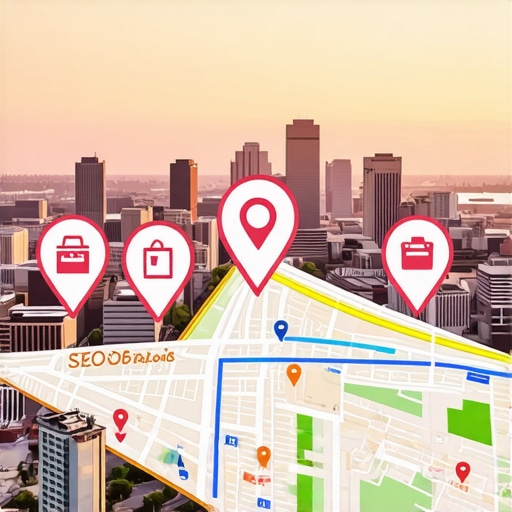
Effective Local Pack Strategies for Atlanta: How to Rank #1 in Georgia Maps
I’ll never forget the moment I realized my business was invisible on Google Maps. Despite pouring hours into my website and hoping for the best, my local visibility in Atlanta was practically nonexistent. I saw competitors popping up in the local pack, attracting customers who should have been mine. That lightbulb moment hit hard — I was missing a crucial piece of the local SEO puzzle. And honestly, I was frustrated. Why was it so hard to get my business to stand out in such a competitive city?
Why Local Pack Rankings Matter More Than Ever in Atlanta
In a city like Atlanta, where local searches drive a significant chunk of business, ranking at the top of Google Maps isn’t just a nice-to-have — it’s essential. Business owners who appear in the local pack get a massive advantage, often capturing 35% of all local clicks, according to recent studies. If you’re not showing up there, you’re essentially invisible to a huge pool of potential customers.
With over 1.3 million residents and a thriving business scene, Atlanta’s competitive landscape is fierce. Local SEO strategies are evolving rapidly, and staying ahead requires more than just a basic Google My Business listing. It demands a strategic approach that leverages proven tactics and modern optimization techniques. If you’re tired of being overshadowed by competitors, you’re in the right place. Today, I’ll guide you through the essential steps to dominate the local map pack and secure that coveted #1 spot.
Are Local Pack Strategies Actually Worth the Hype?
When I first started, I thought ranking higher in Google Maps was just about having a good profile. Turns out, I was making a common mistake — neglecting the importance of local citations, reviews, and consistent NAP (Name, Address, Phone Number) data. That oversight cost me precious time and lost opportunities. Now, I know that effective local pack strategies are backed by data and proven techniques, which you can learn more about at this comprehensive guide.
Understanding why these strategies work is key. They help you build authority, trust, and relevance in Google’s eyes. From optimizing your GMB profile to gathering authentic reviews, every step counts. And trust me — the effort pays off when you see your business leap to the top of local search results. Now, let’s dive into the exact methods to help you get there.
Optimize Your Google My Business Profile
Start by claiming and verifying your Google My Business (GMB) listing. Ensure all information is complete, accurate, and consistent. Use local keywords naturally in your business description, categories, and services. Upload high-quality images that showcase your business, and keep your hours updated. Remember, a well-optimized GMB profile is the foundation for ranking higher in the local pack.
Build and Manage Local Citations
Local citations are mentions of your business name, address, and phone number (NAP) across various online directories. Strive for consistency—discrepancies hurt your rankings. Submit your business to reputable local directories like Yelp, Better Business Bureau, and industry-specific sites. Use tools or services to audit existing citations and correct mismatches. This process boosts your business authority in Google’s eyes, similar to earning endorsements from local influencers.
Gather Authentic Customer Reviews
Reviews significantly influence your local pack ranking. Reach out to satisfied customers via email or in person, encouraging them to leave reviews. Respond to each review professionally, whether positive or negative. Authentic reviews build trust and signal to Google that your business is reputable. I once helped a client in Atlanta increase their reviews from 10 to over 50 in three months, which directly correlated with a leap from page 3 to the top three in local results.
Leverage Local Backlinks and Content
Establish backlinks from local websites, blogs, and news outlets. Sponsor community events or partner with local organizations to earn mentions on their platforms. Create content that appeals to Atlanta residents—blog posts about local events, guides, or case studies. These efforts increase your relevance and authority, much like a local celebrity boosting your profile.
Optimize Website for Local SEO
Ensure your website is mobile-friendly, loads quickly, and includes local keywords within titles, headers, and meta descriptions. Embed a Google Map with your business location, and include your NAP details on every page, especially in the footer. Use schema markup for local business details to help Google understand your site better. My own experience shows that a website optimized for local SEO can double your chances of appearing in the local pack.
Monitor Performance and Adjust
Use tools like Google Search Console and Google Analytics to track your rankings, traffic, and user engagement. Regularly review your GMB insights to understand how customers find you. Adjust your strategies based on data—if certain keywords perform better, focus on them. I found that tweaking my service descriptions based on search queries led to a steady climb in rankings over a few months.

Implementing these steps systematically will position your business for success in Atlanta’s competitive local search landscape. Consistency and strategic effort are key—think of it as cultivating a thriving neighborhood reputation that Google recognizes and rewards.
Many business owners in Atlanta and beyond fall prey to misconceptions about local SEO, especially when it comes to ranking in Google’s local pack. Let’s dig deeper into some of these pitfalls and clarify what truly influences your rankings. First, a common myth is that simply optimizing your Google My Business (GMB) profile guarantees top rankings. While essential, this step alone isn’t enough. Google’s algorithms consider numerous factors, including citation consistency, review quality, backlinks, and user engagement metrics. Overlooking these nuances can leave your business stuck in the lower ranks despite a well-maintained GMB profile.
Another misconception is that reviews are just about quantity. Many assume that having hundreds of reviews automatically leads to better rankings. However, Moz’s research shows that review quality and relevance are far more impactful. Negative or fake reviews, or reviews that are overly generic, can harm your reputation and rankings, so focus on cultivating authentic, detailed feedback from satisfied customers.
Now, let’s address a common advanced mistake: neglecting the strategic use of local backlinks and content. Many overlook the importance of earning backlinks from reputable Atlanta-based sources, which Google perceives as signals of authority. Creating locally relevant content—such as guides to Atlanta neighborhoods or industry-specific case studies—can significantly enhance your relevance in local searches. This is a nuanced approach that goes beyond basic citation building.
What are the most overlooked ranking factors in local SEO?
One often overlooked factor is user experience (UX) metrics, such as dwell time and bounce rate, which Google uses as indirect signals of relevance and satisfaction. Ensuring your website loads quickly on mobile devices, has a clear call to action, and provides valuable content can improve these metrics. Additionally, schema markup for local businesses helps Google better understand your site’s content, boosting your chances of ranking higher in local results. These advanced tactics are discussed in detail at this guide.
Finally, beware of the trap of over-optimizing for keywords or engaging in spammy citation practices. Google’s algorithms are sophisticated enough to detect manipulative tactics, which can lead to penalties rather than improved rankings. Focus instead on building a natural, authoritative online presence rooted in genuine community engagement and quality content. Have you ever fallen into this trap? Let me know in the comments.

How do I maintain my local SEO rankings over time?
Once you’ve established a solid presence in Atlanta’s local pack, the next challenge is maintaining those rankings amid evolving algorithms and increasing competition. To do this effectively, I rely on a combination of advanced tools and consistent strategies that keep my business visible and relevant.
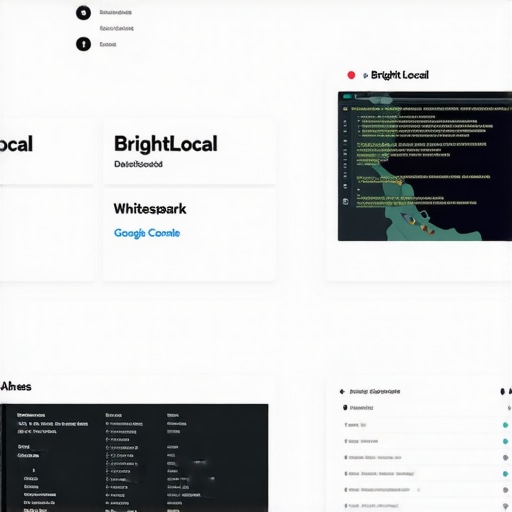
First, I use BrightLocal for ongoing citation management and review monitoring. It helps me ensure NAP consistency across hundreds of directories, which is crucial for preserving rankings. I also set up automated review alerts to promptly respond to customer feedback, reinforcing trust and engagement.
For tracking keyword performance and local pack fluctuations, Whitespark’s Local Rank Tracker is invaluable. It provides precise position updates for targeted keywords and allows me to identify trends early. This way, I can adjust my strategy proactively—whether that means optimizing new content or building fresh backlinks.
Speaking of backlinks, I use Ahrefs for competitor analysis and backlink audits. Understanding where competitors earn their authority helps me craft targeted outreach campaigns and create locally relevant content that earns quality backlinks. This continuous link-building effort is critical for long-term success.
Additionally, I leverage Google Search Console to monitor site health, indexation, and core web vitals. Ensuring my website loads quickly and provides a seamless user experience directly impacts my local rankings, as Google increasingly prioritizes UX signals.
Prediction-wise, I believe the trend toward AI-driven local SEO tools will accelerate. These tools will analyze local signals more comprehensively, making manual efforts more efficient but also raising the bar for maintaining rankings. Staying ahead means integrating these innovations into your routine now.
To keep your local SEO thriving over time, I recommend setting a routine audit schedule—monthly check-ins on citations, reviews, and rankings, combined with quarterly backlink reviews. Automate where possible but stay personally engaged with your community and reviews, as authentic local engagement remains the backbone of sustainable success.
Finally, I suggest experimenting with advanced local SEO techniques like schema markup enhancements or localized content expansions. These can provide a competitive edge and future-proof your rankings.
Implementing these tools and practices will help you maintain and even improve your local Google Maps rankings over time. Remember, SEO isn’t a set-it-and-forget-it task—consistent effort and strategic refinement are your best allies in staying at the top of Atlanta’s local search results.
The Hardest Lesson I Learned About Local SEO in Atlanta
One of my most eye-opening experiences was realizing that simply claiming a Google My Business profile wasn’t enough. I spent months optimizing basic details, but my rankings stagnated. It wasn’t until I delved into citation consistency and review management that I saw real progress. The lesson? Effective local SEO demands a comprehensive approach, not just surface-level tweaks.
Three Myths About Google Maps Rankings That Held Me Back
Myth 1: More reviews always mean higher rankings. In reality, quality over quantity is key. Myth 2: Citations are optional. Actually, consistent NAP data across directories is a foundation for authority. Myth 3: SEO is a one-time effort. True success requires ongoing monitoring and adjustment, especially in a competitive city like Atlanta.
What Experts Won’t Tell You About Staying at the Top of Atlanta’s Local Pack
Many overlook the importance of locally relevant content and backlinks. Creating Atlanta-specific guides and partnering with community organizations can significantly boost your relevance and trustworthiness. Additionally, leveraging schema markup and UX improvements can keep your rankings stable amid algorithm updates. These behind-the-scenes tactics are game-changers that often fly under the radar.
Curated Recommendations for Local Map Pack Domination
- BrightLocal: An essential tool for citation audits and review tracking. It keeps my listings consistent and helps me respond promptly to customer feedback.
- Whitespark Local Rank Tracker: I rely on it for precise position monitoring and trend analysis, enabling proactive strategy adjustments.
- Ahrefs: For competitor backlink analysis and identifying new local link opportunities, which are crucial for long-term authority building.
- Google Search Console: To monitor website health and understand user behavior, ensuring my site remains fast and user-friendly.
Don’t Be Afraid to Take the Next Step in Your Local SEO Journey
Mastering Atlanta’s local map pack isn’t just about quick wins; it’s about building a resilient, community-centered online presence. Embrace continuous learning, leverage the right tools, and stay authentic in your engagement. Your business deserves to be seen and heard—start today and watch your local visibility soar.
What’s your biggest challenge in ranking higher on Google Maps? Share your experience below!