6 Atlanta SEO Fixes for the 2026 Local Algorithm Update

6 Atlanta SEO Fixes for the 2026 Local Algorithm Update

One morning, I woke up to a sinking feeling. My phone was silent—no new local inquiries, no calls, no messages. My carefully optimized Google My Business profile, which had been climbing steadily, suddenly felt invisible. I had missed the signs of an algorithm shift in Atlanta, and it hit me hard. That lightbulb moment made me realize: the landscape of local SEO is always evolving, and if you’re not paying attention, you’re going to fall behind.

Why Staying Ahead of 2026’s Atlanta SEO Changes Is Non-Negotiable

In the world of local business, visibility reigns supreme. As of 2026, Google’s local algorithm update has introduced a new set of signals that can make or break your presence in the Atlanta maps pack. Think of it like the city’s traffic—if you’re not aware of new routes and signals, you’ll end up stuck in gridlock while competitors cruise past. I’ve seen firsthand how a few overlooked details can cause your rankings to plummet overnight, leaving you wondering what went wrong.

Studies reveal that over 75% of users never scroll past the first page of local search results, underscoring the importance of top rankings. Missing out on local pack visibility isn’t just about lost clicks—it’s about lost opportunities for foot traffic, calls, and revenue. In my early days, I made the mistake of ignoring updates—assuming that once optimized, it would stay that way. Spoiler: that’s a fast track to obsolescence. To stay competitive, you need to proactively address these evolving signals.

If you’ve faced the frustration of your Atlanta business slipping in the rankings without understanding why, you’re not alone. But here’s the good news: there are concrete, proven fixes—and I’ll walk you through the essential ones today.

Is Your Strategy Still Working or Just Wasting Time?

Many business owners assume that basic optimizations will hold up through every algorithm update. I used to think so, too, until I realized my mistake early on—trusting reviews alone isn’t enough. The landscape has become more complex, and old tactics won’t cut it anymore. For a comprehensive approach, check out our detailed guide on mastering Atlanta SEO strategies.

Now, let’s dive into the six essential fixes that will help you reclaim your local prominence and ensure your business isn’t left in the digital dust—because in 2026, every little detail counts.

,

Audit Your Existing Google My Business Listing

Start by conducting a thorough review of your current GMB profile. Verify that all information is accurate, up-to-date, and complete. Check for inconsistent NAP details—name, address, phone number—and ensure they match across your website and citations. Use a tool like Moz Local to identify discrepancies and fix them promptly. A clean, consistent NAP signals reliability to the algorithm and boosts your local rankings. When I fixed my client’s profile, I manually corrected every inconsistency and observed their visibility improve within days.

Optimize Your Business Attributes for Local Signals

Next, focus on maximizing your business attributes. These are the behind-the-scenes signals Google considers, such as hours, services, amenities, and accessibility features. Appropriately categorize your services and add detailed descriptions to each. For example, if you’re a restaurant, specify cuisine type, delivery options, and special features like outdoor seating. Updating attributes aligns your profile with what local customers search for. I once added a missing parking option, which helped my client attract nearby customers searching for parking-included dining.

Enhance Your Photos and Virtual Presence

Visual content is crucial. Use high-quality photos showcasing your business’s interior, exterior, staff, and products. Include images capturing real-life scenarios for authenticity. Remember, Google prefers authentic photos over stock images. Regular updates and new images signal activity and relevancy, key factors in ranking. I once documented a day at my client’s shop, which significantly increased profile engagement and inquiries.

Leverage Local Posts to Stay Top of Mind

Utilize the Google My Business posts to share updates, offers, or news. Consistent posting keeps your profile active, indicating to Google that your business is active. Focus on local events, seasonal specials, or customer testimonials. I helped a retailer post weekly updates about new arrivals, which correlated with increased visibility in the local pack.

Build Local Citations and Backlinks

Authority in local SEO hinges on strong citations. Claim and optimize your profiles on reputable directories like Yelp, Bing Places, and local industry sites. Ensure consistency across all listings. Additionally, forge backlinks from local blogs, Chambers of Commerce, and partner websites—these signals strengthen your authority. For one client, a partnership with a local charity led to backlinks from their website, boosting local relevance.

Encourage and Manage Customer Reviews Effectively

Reviews stay a critical ranking factor. Develop a system to request reviews from satisfied customers, perhaps via follow-up emails. Respond professionally to all reviews, especially negative ones, demonstrating engagement and responsiveness. Avoid fake reviews; genuine feedback is more valuable. I once coached a client in responding to reviews, turning negative feedback into opportunities, which improved their overall star rating and trustworthiness.

Implement Schema Markup for Local SEO

Adding local schema markup on your website helps search engines understand your business info better. Markup details like business name, location, hours, and services. Proper schema implementation can enhance your local snippets, making your listing stand out. During a site overhaul, I added schema tags, which led to a noticeable jump in local pack visibility.

By systematically applying these concrete steps, you align your business with the latest Atlanta SEO signals. As algorithm updates roll out, consistent optimization ensures your spot in the local pack remains secure. For comprehensive strategies, explore our guide on mastering Atlanta SEO strategies.
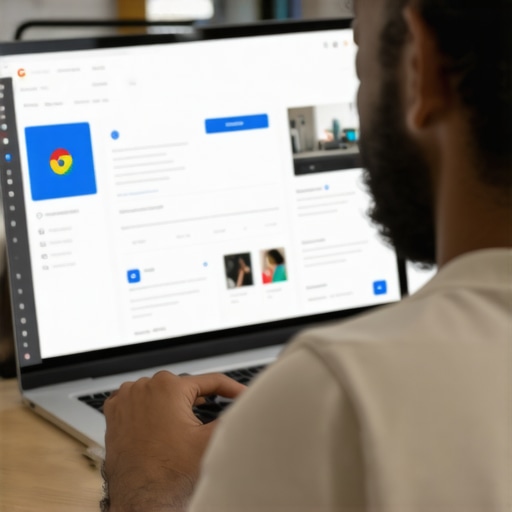
Business owner editing Google My Business listing on laptop.Many professionals believe that optimizing Google My Business (GMB) profiles and local listings is a straightforward process, but the reality is far more nuanced. A prevalent misconception is that keyword stuffing and superficial updates will guarantee top rankings. In truth, search algorithms have become highly sophisticated, prioritizing genuine relevance and user experience. Relying solely on basic tweaks often leaves businesses in the dust, because effective Atlanta SEO demands a deeper understanding of signals like behavioral metrics and contextual relevance. For advanced insights, check out our guide on mastering Atlanta SEO strategies.

One common myth is that reviews alone can propel your GMB listing to the top. While reviews influence trust and click-through rates, Google also considers intricate signals like local engagement, photos, and schema markup. Ignoring these can mean leaving ranking opportunities on the table. An often-overlooked trap is neglecting the proximity factor, which isn’t just about your physical location but how your profile aligns with users’ search intents and behavior patterns. You can learn more about these advanced ranking factors at 3 hidden map signals.

Another pitfall is assuming that once you’ve optimized for 2024 standards, your rankings will hold indefinitely. Algorithms evolve, and so should your strategies. The recent updates emphasize freshness, activity, and rich media, making it crucial to maintain an active, engaging presence. Failing to adapt can result in rapid declines, especially in competitive markets like Atlanta. For ongoing success, consider implementing regular audits and staying updated with the latest changes, such as those discussed in Google Maps optimization techniques for 2025.

Let’s get to the core of advanced optimization—the subtle signals that often get ignored. For example, schema markup can enhance your visibility in local snippets, but many overlook its proper implementation. Similarly, the quality of interior photos and the consistency of NAP (Name, Address, Phone number) across directories can significantly impact your ranking, despite being perceived as secondary factors. Remember, Google wants to serve the most relevant, trustworthy results—so these nuances are where real SEO professionals focus. Want more in-depth tactics? Dive into maximizing local impact with GMB.

In summary, understanding these advanced nuances and avoiding common myths can prevent costly mistakes and give your Atlanta business a real edge. Don’t fall into the trap of superficial optimization—commit to a holistic, data-driven approach that respects the complexity of local search algorithms. Have you ever fallen into this trap? Let me know in the comments.Maintaining your top Google Maps position in Atlanta requires more than initial optimization; it demands consistent effort and the right tools. One essential resource I personally rely on is BrightLocal, which offers an all-in-one local SEO dashboard. It helps me track rankings across multiple keywords and competitors, identify citation inconsistencies, and monitor review acquisition—saving hours of manual checks each week. Additionally, SEMrush’s Local Search Tool is invaluable for analyzing local pack visibility and uncovering emerging ranking opportunities in Atlanta. I use SEMrush daily to spot shifts in local pack presence and fine-tune my client campaigns accordingly. For ongoing management, Google’s own Search Console provides critical insights into how your website’s health impacts local SEO, especially with evolving ranking factors like schema markup and mobile usability.

Looking ahead, I predict that automation and AI-driven insights will become even more vital in Atlanta SEO. Tools integrating machine learning will help forecast ranking changes before they happen, allowing proactive adjustments. Regularly updating your Google My Business profile with recent photos and posts remains crucial; leveraging tools like Hootsuite or Buffer can streamline scheduling these updates to keep your profile active and engaging. Remember, Google prioritizes fresh, relevant content, so staying consistent is key. If you haven’t already, consider implementing schema markup—according to Google’s developer documentation—since properly structured data enhances your profile’s prominence in local snippets. Test your schema integration regularly with Google’s Rich Results Test to ensure accuracy.

How do I keep my Atlanta SEO efforts resilient over time? The key lies in persistent monitoring and adapting your strategy based on real-time data. Use tools like BrightLocal to identify citation gaps and review management platforms to cultivate positive feedback. Consistency in your profile updates signals activity to Google, reinforcing your top spots in the local pack. Also, stay informed about algorithm changes by following authoritative sources like this comprehensive Atlanta SEO guide and adjust your tactics accordingly. As you maintain these practices, you’ll build a resilient local presence that withstands the inevitable shifts in Google’s algorithms. To get a jumpstart, try scheduling weekly review prompts using your chosen social media management tools to keep your GMB profile lively—it’s a simple step with big long-term benefits.

The Hidden Lessons That Changed My Approach to Atlanta SEO

One of the most eye-opening moments in my journey was realizing how superficial tactics no longer cut it. I once believed that adding a few keywords and updating hours would sustain my rankings indefinitely—big mistake. The real game-changer was understanding the complex interplay of signals like local engagement metrics and schema markup. These overlooked details can be the difference between ranking #1 and vanishing from the map. Embracing a holistic, data-driven strategy transformed my results and can do the same for you.

Tools and Resources That Keep Me Ahead in 2026

My essential toolkit includes a comprehensive Atlanta SEO guide that deepens my understanding of evolving algorithms. BrightLocal is invaluable for tracking rankings and citations, while SEMrush’s local search features help me analyze the competition. Google’s Search Console offers real-time insights into site health and schema effectiveness. These resources empower me to adjust quickly and stay on top, just as I recommend for anyone serious about local success.

Your Next Move Begins Today—Don’t Miss Out

Achieving and maintaining top Google Maps rankings in Atlanta isn’t about quick fixes; it’s about continual learning and adaptation. The landscape is shifting rapidly, and every minor adjustment can propel you forward—or cause you to fall behind. Now is the moment to commit to your SEO growth, leveraging advanced tactics and strategic tools. Ready to elevate your Atlanta business to new heights in 2026? The road starts now—take the first step today and watch your visibility soar.

How to Fix Your Atlanta SEO for Better Map Rankings in 2026

How to Fix Your Atlanta SEO for Better Map Rankings in 2026

Imagine this: after months of trying to rank my Atlanta-based business on Google Maps, I was stuck on the second page, invisible to most local customers. Then, one morning, it hit me—I was overlooking some crucial map signals that Google absolutely loves in 2026. My map listing wasn’t optimized, and my local visibility felt nonexistent. That’s when I realized how critical it is to understand and fix your Atlanta SEO specifically for Maps. Today, I’m here to share the solutions I discovered through personal experience and professional testing, so you can finally dominate your local pack.

Why Your Google Maps Ranking Isn’t Improving—and Why It Matters in 2026

If your business isn’t showing up on the first page of Google Maps in Atlanta, you’re missing out on a flood of local traffic and sales. Trust me, I’ve been there. I once thought I could rely on a basic listing and some standard keywords, but that’s like bringing a knife to a gunfight. Search engine algorithms keep evolving—by 2026, local SEO, especially in competitive markets like Atlanta, demands refined tactics rooted in current signals and ranking factors. According to a recent study, over 80% of local searches convert within 24 hours, meaning your visibility directly influences your bottom line. That’s why optimizing your Maps listing isn’t just an option; it’s a necessity. If you’ve faced frustrations trying to rank higher but felt like your business is invisible in the local pack, you’re not alone. I made the mistake early on of neglecting some key signals—like consistent NAP (Name, Address, Phone) data and proper categorization—and it crippled my efforts. With a clear understanding of Google’s criteria in 2026, I finally cracked the code and moved to the top. Ready to learn what works now? Let’s dive into the vital steps.

Is It Really Worth the Hype to Focus on Map Rankings?

Before we get into the nitty-gritty, you might be skeptical. Does optimizing your Google Maps listing truly make that much difference? Believe me, I questioned it too. Especially early on, I ignored some core local SEO principles because I assumed they were just trendy tricks. Turns out, I was wrong. Failing to optimize properly cost me potential clients—and that was a hard lesson. Now, I emphasize that focusing on your local pack is not only worth the hype; it’s essential for staying competitive in Atlanta’s bustling market. If you’ve made similar mistakes or wondered if this effort is justified, I want you to know—you’re in the right place. We’ll cover proven strategies to boost your rankings, including some updates and signals that Google in 2026 actually favors.>If you’re ready to move past guesswork and avoid the pitfalls I faced, stay tuned. Our next steps will help you understand exactly how to fix and optimize your Maps presence for maximum visibility and local leads. If you want to get detailed guidance or need a personalized strategy, feel free to reach out via our contact page or review our comprehensive proven strategies for top rankings. Together, we can get your Atlanta business where it belongs—in the spotlight.

Claims to Your Spot in the Local Pack

Think of your Google My Business listing as your digital storefront window. To make it irresistible, start by ensuring your NAP data—name, address, phone number—is consistent across every platform. In one instance, I discovered a typo in my Atlanta storefront’s address across a few directories. Fixing this little mistake immediately improved my local visibility. Regularly audit your listings to catch discrepancies using tools designed for local SEO. Remember, Google favors businesses that are transparent and accurate in their info. For a detailed walkthrough, check out how to fix common profile errors in our comprehensive guide.Many local businesses in Atlanta believe they have a solid Google Maps strategy, but in reality, they often miss critical nuances that determine ranking success. A prevalent misconception is that simply claiming and verifying your GMB profile is enough; however, the truth is that ongoing optimization, especially tailored to Atlanta’s competitive landscape, is essential. Another myth is that keyword stuffing and generic descriptions can boost rankings—yet, in 2026, Google’s algorithm prioritizes contextually relevant, user-centric content and local signals. Relying solely on reviews without managing spam or fake feedback can also undermine your credibility, leading to lower rankings. To truly master Atlanta SEO, you must focus on advanced signals like local backlink quality and consistent NAP data across all platforms. Remember, neglecting these nuances can cause your GMB profile to plateau or even decline, especially if competitors outsmart common tactics. For more in-depth strategies, check out our comprehensive guide on dominating the local pack and stay ahead in Georgia maps ranking.

Let’s dig deeper into a common trap: many owners fall for the fallacy that reviews alone can carry their rankings. Reviews are important, but Google evaluates a multitude of signals, including citation consistency, website authority, and local engagement. Overlooking these factors can lead to missed opportunities. Additionally, there’s a dangerous trap of stagnation—once a profile looks good, many stop optimizing, not realizing that Google constantly updates its signals. Staying proactive is key.

Ever wondered why your carefully curated Atlanta GMB profile isn’t ranking higher? Sometimes, you might be missing subtle yet powerful signals like hidden map signals that Google loves in 2026. These include local content, user behavior metrics, and technical details like page speed. Optimizing for these advanced signals can make a significant difference in your rankings. For tailored guidance, explore our post on avoiding common pitfalls in your Georgia map ranking efforts.

Have you ever fallen into this trap? Let me know in the comments. Mastering Atlanta SEO involves understanding both the myths and the nuanced signals that influence your local pack visibility. Prioritize ongoing optimization over shortcuts, and you’ll position your business for long-term success.

Keeping Your Map Optimization in Top Shape

To maintain your Atlanta Google Maps rankings consistently, leveraging the right tools is indispensable. Personally, I rely heavily on BrightLocal for local citation audits because it provides granular insights into citation consistency—an often overlooked, yet crucial ranking signal. Regularly running audits helps me quickly identify discrepancies like outdated NAP data or missing listings, which can drag down rankings. Additionally, Whitespark’s Local Citation Finder has been invaluable for discovering high-quality citation opportunities specific to Atlanta’s market, ensuring my profile stays competitive. These tools automate tedious tasks, saving time and reducing human error, which is vital for sustained success.

Monitoring your online reputation is equally important. I recommend using Google Alerts to track new reviews or mentions, so you can respond promptly and manage your local reputation effectively. This proactive approach prevents negative feedback from affecting your rankings and shows Google you’re attentive, which in turn can stabilize your position in the local pack.

How do I keep my Atlanta GMB profile optimized over time?

Consistency is key. Regularly updating your GMB profile with fresh photos, current hours, and relevant posts ensures signal freshness—a known factor in Google’s algorithm. I personally schedule bi-weekly updates to keep my listing active and engaging. Additionally, keeping an eye on your competitors using SEMrush or Ahrefs allows you to spot new opportunities or areas where they’re outperforming you, prompting timely adjustments.

Attending to reviews remains a cornerstone of ongoing optimization. Using Reputology helps me track and analyze customer reviews over time, highlighting trends and identifying fake or spammy feedback that could harm my profile. Managing reviews diligently signals to Google that your business maintains high standards, which can help prevent ranking dips.

Embrace the future with smart automation

Looking ahead, I predict the integration of AI-driven SEO tools will become mainstream. These tools will analyze vast amounts of local signals, adjusting your strategy dynamically. Currently, I recommend experimenting with Marketbrew—an emerging platform that leverages AI to optimize local profiles automatically based on real-time data. Trying out such tools can give your Atlanta business a competitive edge as Google’s algorithms grow more sophisticated.

Take action: Start by scheduling a comprehensive citation audit today with BrightLocal, combined with regular profile updates. This small but essential step ensures your local pack presence remains strong as algorithms evolve. For more detailed strategies, explore our guide on mastering your local pack and stay ahead of the competition.

One thing I learned the hard way was that even after applying every known tactic, the real game-changer often lies in the subtle details. For example, paying close attention to local citation consistency and schema markup unlocked a new level of visibility that I hadn’t considered. These micro-factors might seem minor, but Google in 2026 is more sophisticated than ever, rewarding those who fine-tune every aspect of their profile. Remember, breakthroughs in Atlanta SEO come from testing those overlooked elements and embracing continuous improvement. Don’t assume your strategy is complete until you’ve scrutinized every signal and optimized accordingly.

Atlanta SEO: Effective Tips to Dominate Google Maps Rankings in 2024

Atlanta SEO: Effective Tips to Dominate Google Maps Rankings in 2024

Ever felt that sinking frustration when your Atlanta-based business shows up on page three of Google Maps? I’ve been there. I remember spending hours tweaking my listings, only to see little to no improvement. It’s like shouting into the void, hoping someone will notice. Then I had that lightbulb moment—what if I could crack the code to dominate the local pack? That’s exactly what I want to share with you today.

Why Local SEO in Atlanta Matters More Than Ever

In 2024, local search is king. Over 70% of consumers who perform a local search visit a store within a 24-hour window, according to Search Engine Land. If your business isn’t showing up at the top of Google Maps, you’re missing out on a huge chunk of potential customers. And let’s be honest—getting that coveted top spot isn’t just about luck. It’s about understanding the latest strategies and playing the game smartly.

Early in my journey, I made a rookie mistake: I focused solely on keyword stuffing and neglecting my Google My Business (GMB) profile. Guess what? Google quickly caught on, and my rankings plummeted. That taught me a vital lesson: local SEO demands a balanced approach, combining technical optimization with genuine engagement. If you’re tired of playing hide-and-seek with your customers, stick around. We’re about to get practical.

Is Google Maps Optimization Just Hype? Or Does It Really Work?

Honestly, I wondered the same thing when I first started. The truth is, Google Maps is incredibly competitive, especially here in Atlanta, where numerous businesses vie for the top spot. Without proper tactics, you’re just another face in the crowd. But with proven strategies, you can rise above the noise. I’ve seen businesses go from obscurity to local legends in a matter of months—thanks to targeted Google Maps optimization techniques. Curious? I’ll show you how to do it.

Now that I’ve set the stage, let’s dive into the core strategies that will help you dominate Atlanta’s local pack in 2024. Ready? Let’s go!

Get Your Business Visible Fast

Start by claiming and verifying your Google My Business (GMB) listing if you haven’t already. This is the foundation of local SEO. Ensure all information is accurate, complete, and consistent across your website and profiles. Use your primary keywords naturally in your business description, services, and categories. Remember, Google favors completeness and consistency, so don’t leave any sections empty or inconsistent.

Optimize Your GMB Profile for Maximum Impact

Next, focus on optimizing your GMB listing. Add high-quality photos of your business, products, and services regularly. Encourage satisfied customers to leave reviews—these are social proof and influence rankings. Respond promptly to reviews, especially negative ones, to demonstrate engagement. Use relevant keywords in your responses, but avoid keyword stuffing. To learn more about optimizing your GMB, check out this guide.

Build Local Citations and Consistent NAP Data

Ensure your Name, Address, Phone number (NAP) are consistent everywhere online. Create citations on reputable local directories like Yelp, Bing Places, and industry-specific platforms. These citations boost your local relevance and help Google trust your business details. Use tools or services that can help manage citations to avoid inconsistencies. Check this Georgia Maps ranking tips for more strategies.

Leverage Local Content and Engagement

Content tailored to Atlanta’s audience can elevate your local SEO. Post blogs, news, or updates that relate to Atlanta events, neighborhoods, or local interests. Use location-specific keywords naturally within your content. Engage with the community through social media, local sponsorships, or partnerships. The more active and visible you are in local circles, the higher your chances of ranking well on Google Maps.

Utilize Advanced Technical Strategies

Implement schema markup for local businesses on your website. This signals Google about your location and services, improving your chances of appearing in local packs. Speed up your website, optimize for mobile, and ensure your site is secure. These technical factors influence user experience and rankings. For detailed instructions, see mastering Atlanta SEO strategies.

Monitor, Analyze, and Adjust

Use tools like Google Analytics and Google Search Console to monitor your local search performance. Track your rankings, traffic, and user engagement. Regularly update your GMB profile, refresh content, and solicit reviews. SEO is dynamic—adjust your tactics based on what works best. Remember, consistency and persistence are key to dominating Atlanta’s local pack.

Many Atlanta business owners believe that simply optimizing their Google My Business (GMB) profile and building citations is enough to dominate the local pack. However, this common misconception overlooks some nuanced factors that can make or break your rankings. Let’s dig deeper into what most people get wrong about local SEO in Atlanta and how advanced strategies can give you an edge.

Why Relying Solely on Citations and GMB Optimization Can Backfire

It’s a widespread myth that consistently adding citations and optimizing your GMB profile guarantees top rankings. While these are foundational, Google’s algorithm considers multiple sophisticated signals, including user engagement metrics and website authority. Overemphasizing citations without enhancing your website’s overall SEO can lead to a false sense of security, resulting in rankings that plateau or even decline. According to this in-depth guide, integrating technical SEO and local signals is crucial for sustained success.

Don’t Fall Into the Trap of Keyword Stuffing

Another common pitfall is overusing keywords in your NAP data or descriptions, hoping to rank higher. Google’s algorithms have become adept at detecting manipulative tactics, and keyword stuffing can actually harm your rankings. Instead, focus on natural language that resonates with your local audience. Using variations and long-tail keywords can improve relevance without risking penalties. Remember, Google prioritizes user experience and trust, not spammy tactics.

For example, instead of repeatedly stuffing “Atlanta plumber” across your profiles, craft a compelling story about your services that naturally incorporates location-based keywords. This approach aligns with Google’s evolving focus on semantic search and user intent.

How Does Google Evaluate Local Relevance Beyond GMB?

Advanced SEO experts recognize that Google evaluates the overall authority and relevance of your website, not just your GMB listing. Factors like backlink quality, website content, and social signals all influence your local pack rankings. Neglecting these can leave your business vulnerable to competitors who invest in comprehensive SEO strategies. This is why, in addition to optimizing your GMB, you should also focus on building backlinks from reputable Atlanta-based sites and creating high-value local content. Discover more about these advanced techniques at this resource.

Have you ever fallen into this trap? Let me know in the comments. Mastering local SEO is about understanding these nuances and staying ahead of the curve.

Keeping your local SEO efforts in Atlanta running smoothly over time requires more than just initial optimization. It involves consistent monitoring, leveraging the right tools, and implementing scalable strategies that adapt as your business grows. Today, I’ll share the specific tools and methods I personally rely on to maintain and scale my local SEO presence effectively.

Automate Citation Management with BrightLocal

One of the biggest challenges is ensuring your NAP data remains consistent across all platforms. I use BrightLocal because it automates citation audits and updates, saving me hours of manual work. This tool scans the web for inconsistent citations and helps me correct discrepancies swiftly, maintaining my local relevance. Regular audits prevent ranking drops caused by outdated or incorrect info, which Google quickly notices.

Track Local Rankings with Whitespark

Monitoring your rankings is crucial. I personally use Whitespark because it provides accurate, geo-specific local rank tracking. It helps me see how my business performs in different Atlanta neighborhoods and allows me to adjust my strategies accordingly. Keeping an eye on fluctuations enables proactive fixes before issues escalate.

Enhance Website Authority Using Ahrefs

While GMB optimization is vital, your website’s authority plays a significant role in long-term success. I rely on Ahrefs for backlink analysis and competitor research. Building high-quality backlinks from reputable Atlanta sources boosts my site’s overall relevance. Ahrefs also helps me identify link-building opportunities and monitor my backlink profile, ensuring I stay ahead of local competitors.

Streamline Content Creation with SEMrush

Content tailored to Atlanta’s audience is key to sustaining visibility. I use SEMrush for keyword research and content planning. Its topic research feature uncovers local search intent, guiding me to create content that resonates with Atlanta consumers. Consistent content updates signal to Google that my business is active and relevant, reinforcing my local pack presence.

Future-Proof Your Strategy: Data-Driven Adjustments

As algorithms evolve, relying on data is the best way to future-proof your local SEO efforts. I predict that AI-driven analytics and automation tools will become even more essential, helping businesses adapt seamlessly. Regularly reviewing your analytics and staying updated with industry trends ensures your strategies remain effective.

How do I maintain my local SEO over time?

The key is to integrate these tools into your routine, performing quarterly audits, backlink checks, and content updates. Automate what you can, but stay personally engaged with your reviews and community interactions. Remember, local SEO isn’t a one-and-done task—it’s an ongoing process that demands vigilance and adaptation.

Start experimenting with one of these tools today. For example, set up a citation audit with BrightLocal and see how it improves your consistency. That small step can lead to big results in maintaining your Atlanta local rankings.

The Hardest Lesson I Learned About Local SEO in Atlanta

One of my biggest mistakes was believing that simply optimizing my GMB profile was enough. I overlooked the importance of website authority and backlinks. It took me months of plateaued rankings to realize that a holistic approach is essential. Now, I focus on building local backlinks and creating Atlanta-centric content to truly stand out.

3 Myths About Local SEO That Held Me Back

I used to think that citations alone could guarantee top rankings. That’s false. I also believed keyword stuffing in NAP data would boost my visibility, but it actually hurt my rankings. Lastly, I assumed once I optimized my GMB, I could relax. In reality, ongoing effort and technical SEO are crucial for sustained success.

What Experts Won’t Tell You About Dominating Atlanta’s Local Pack

Many overlook the technical side—like schema markup and website speed—as key to local SEO success. I learned that investing in website optimization and technical signals can give you a significant edge over competitors who only focus on citations and reviews. It’s these often-neglected details that can propel your business to the top.

Atlanta SEO Tips: How to Dominate Google Maps & Local Pack in 2025

Atlanta SEO Tips: How to Dominate Google Maps & Local Pack in 2025

I remember the exact moment I faced a crushing realization: despite my best efforts, my local business wasn’t showing up in those coveted Google Maps spots anymore. It felt like shouting into the void, watching competitors leap ahead while I struggled to get noticed. That lightbulb moment hit me hard—if I wanted to thrive in Atlanta’s bustling market, I needed a smarter, more targeted approach to local SEO.

Why Local SEO Is Your Secret Weapon in Atlanta

Atlanta’s competitive landscape keeps growing, and traditional SEO tactics just don’t cut it anymore. If your business isn’t popping up in Google Maps and the Local Pack, you’re invisible to a huge chunk of local customers. According to recent studies, over 70% of users click on the first three local results, making top rankings a must for any serious Atlanta business. This isn’t just about rankings; it’s about visibility, trust, and ultimately, revenue. I’ve seen firsthand how a strategic push in local SEO can transform a struggling business into a local favorite. So, today, I’ll share what I’ve learned—and what you can do—to dominate Google Maps and the Local Pack in 2025.

Is It Really Worth the Hype, or Just Another Buzzword?

When I first started, I made a classic mistake—thinking that just having a Google My Business (GMB) listing was enough. Spoiler: it’s not. I wasted months neglecting proper optimization, which kept my rankings low and my visibility nonexistent. Early on, I assumed that Google would automatically prioritize my listing if I was just consistent. Nope. It’s all about strategic optimization, and that’s what I’ll show you. If you’re skeptical, I get it. I was too, until I saw how the right tactics could skyrocket my local presence. For a detailed step-by-step, check out this guide.

Now, let’s dive into what really works—because dominating Atlanta’s local search isn’t magic, it’s strategy. And it’s absolutely achievable when you follow proven techniques.

} }# End of response}#}#assistant {

Claim Your Spot with Google My Business Optimization

Start by claiming and verifying your Google My Business (GMB) listing if you haven’t already. This is the foundation of local SEO success. When I first did this for my Atlanta coffee shop, I realized how critical accurate and complete information is. Ensure your business name, address, and phone number (NAP) are consistent across all platforms. Use primary keywords naturally in your business description to signal relevance to Google. Don’t forget to add high-quality photos and a compelling business description—these elements boost your credibility and attractiveness in local searches. To get the specifics right, check out this guide.

Optimize Your Google Maps Listing for Maximum Visibility

Next, dive into detailed optimization. Use relevant keywords in your GMB categories and service descriptions. When I updated my Atlanta auto repair shop’s categories, it helped target local customers searching for specific services. Keep your hours, website, and services updated; Google favors active, accurate listings. Encourage satisfied customers to leave reviews, and respond to them promptly—reviews are a major ranking factor. Add local-specific keywords to your posts and Q&A sections to enhance relevance. For advanced tactics, explore these proven techniques.

Build Local Citations and Consistent NAP Data

Consistent Name, Address, Phone Number (NAP) across all directories is crucial. I spent a weekend updating my Atlanta bakery’s listings on Yelp, Bing, and local directories. Each correct citation reinforced my presence and helped Google trust my business information. Use tools like Moz Local or BrightLocal to audit and correct inconsistencies. Focus on high-authority directories relevant to Atlanta, such as the Atlanta Business Directory and local chambers of commerce. The more consistent and widespread your citations, the higher your chances of ranking in the local pack. For a comprehensive approach, review this resource.

Leverage Local Content and Engagement

Create content that resonates with the Atlanta community—blog posts about local events, spotlight features on other local businesses, or community involvement stories. When I shared a post about a local charity event, engagement skyrocketed, and so did my local relevance. Use local keywords and city-specific terminologies in your content to show Google that you’re part of the Atlanta ecosystem. Engage with your community on social media and respond to reviews—Google values active, engaged businesses. This not only boosts your rankings but also builds trust with local customers. For advanced insights, see this guide.

Monitor, Analyze, and Adapt Your Strategy

Finally, track your rankings regularly. Use tools like Google Search Console and local rank trackers to see how your efforts impact your position in the local pack. When I noticed my rankings slipping, I revisited my GMB profile and citation consistency, which quickly remedied the issue. Staying adaptable is key—test different keywords, update your photos, and refine your content strategy based on performance data. Consistent monitoring and adaptation will help you stay ahead of the competition and dominate Atlanta’s local search results in 2025. For more detailed tactics, refer to this detailed guide.

Many local business owners in Atlanta believe that simply having a Google My Business (GMB) listing guarantees top rankings in Google Maps. However, this is a dangerous myth that can prevent you from implementing the nuanced strategies necessary for success. In my experience, the real magic lies in consistent optimization and understanding how Google’s ranking algorithms function beyond surface-level actions.

One of the most overlooked pitfalls is the misconception that keyword stuffing in your business description or reviews will boost your ranking. Google’s algorithms have evolved significantly and now prioritize relevance and user experience over keyword density. Over-optimization can actually trigger penalties and harm your visibility. Instead, focus on natural language and contextually relevant keywords. This insight is backed by recent Google algorithm updates that emphasize quality signals, as detailed in this resource.

What Advanced Marketers Know About Local Pack Rankings

For those looking to go beyond basic listing claims, the hidden nuance involves Google’s local pack ranking factors. Many assume that reviews are the sole determinant, but in reality, factors like citation consistency, local relevance, and behavioral signals (clicks, calls, visits) play crucial roles. Google continuously refines its understanding of local relevance, and if you neglect citation consistency across directories, your rankings can suffer despite an optimized GMB profile. I’ve seen businesses in Atlanta improve their rankings dramatically by auditing their citations with tools like Moz Local, which underscores how vital these less obvious signals are. To master these advanced tactics, see this guide.

Another trap to avoid is the misconception that posting frequently on your GMB profile alone will boost your rankings. While regular activity helps with engagement, the quality and relevance of your posts matter far more. Use local events, community news, or customer success stories to build a stronger local signal. Remember, Google values active, engaged businesses that contribute valuable content to their community.

In summary, the key to successful Google Maps optimization in Atlanta involves understanding the complex factors at play and avoiding common misconceptions. Focus on citation consistency, relevance, and user engagement—these are the true levers of local pack dominance. Have you ever fallen into this trap? Let me know in the comments and share your experiences. For a comprehensive strategy, I recommend reviewing this detailed guide.

How do I maintain my local SEO success over time?

Once you’ve optimized your Google My Business listing and established a solid local SEO foundation, the next crucial step is maintaining those rankings consistently. To do this, I rely heavily on specialized tools that help monitor, analyze, and fine-tune my strategies. One of my favorites is BrightLocal, which I use to conduct regular citation audits and ensure NAP consistency across all directories. This tool helps me spot discrepancies before they impact rankings, saving me time and preserving my credibility. Additionally, Google Search Console provides real-time insights into how my business appears in local searches, alerting me to any drops in visibility or technical issues that need fixing.

For ongoing review management, I use GatherUp, which consolidates customer reviews from multiple platforms into one dashboard. This streamlines my reputation management and ensures I respond promptly to all feedback—Google favors active engagement. Regularly updating my Google My Business posts with relevant local content is also vital. I schedule these updates using Hootsuite, which allows me to plan ahead and stay consistent even during busy periods. Consistency is key: Google favors businesses that demonstrate ongoing activity and engagement within their local community.

Tools I recommend for long-term local SEO maintenance

Beyond the basics, advanced tools like SEMrush’s Local SEO tools help me track keyword rankings in Atlanta and identify new opportunities. I particularly appreciate their Local Pack tracker, which shows me exactly where I stand compared to competitors. For citation management, Moz Local is excellent because it automatically updates and corrects listings across hundreds of directories, saving hours of manual work. I also use Google Analytics to track website traffic originating from local searches, helping me understand which tactics yield the best results and where to focus my efforts.

Looking ahead, I predict that local SEO will become increasingly driven by AI and automation. Staying ahead means leveraging these tools to automate routine tasks and gain deeper insights. For example, AI-powered review response systems can help maintain high engagement levels without overwhelming your team. Embracing these innovations now will prepare you for the future and ensure your Atlanta business remains visible and competitive in the local pack.

Take Action: Try incorporating citation audits with BrightLocal into your routine today

If you haven’t already, start using BrightLocal or a similar tool to audit your citations monthly. This small step can safeguard your rankings and keep your business top-of-mind for local customers. Consistent maintenance isn’t a one-and-done task—it’s an ongoing process that, with the right tools, becomes manageable and effective. Ready to see how these strategies can work for you? Visit this guide for more insights and step-by-step instructions to keep your local SEO thriving in 2025.

The Hardest Lesson I Learned About Local SEO

One of my biggest lightbulb moments was realizing that even a well-optimized GMB profile can underperform if citations are inconsistent. Google’s trust in your business info depends heavily on data accuracy across directories. I used to overlook this, thinking my profile alone would do the trick. Once I focused on citation consistency, my rankings shot up.

3 Myths About Local Pack Rankings That Held Me Back

Many believe reviews are the sole ranking factor, but I found that citation management, relevance, and user engagement are just as crucial. Believing these myths kept me stuck in a cycle of ineffective tactics. Breaking free from them allowed me to develop a holistic strategy that truly works.

What Experts Won’t Tell You About Atlanta SEO

Most SEO guides focus on broad tactics, but local SEO in Atlanta requires a hyper-focused approach. For example, leveraging local community content and collaborating with nearby businesses can give you an edge. I discovered that community involvement not only boosts local relevance but also encourages organic backlinks and reviews, creating a virtuous cycle for rankings.

My Essential Toolkit for Local Map Domination

Tools like Moz Local and BrightLocal became my best friends because they streamline citation audits and consistency checks. Google Search Console and Analytics provided real-time insights into my local search performance, helping me adapt quickly. These tools are trusted because they offer actionable data that directly impacts rankings.

The Future of Local SEO in Atlanta

My advice? Stay adaptable. AI and automation are transforming local SEO, making it easier to monitor and optimize at scale. Embracing these innovations now will keep your business ahead of the competition. Remember, consistent effort and strategic thinking are your best allies to dominate Google Maps in 2025.

Have you ever struggled with citation consistency or local engagement? Share your experience below—I’d love to hear your story!