
I vividly remember the moment I realized my Atlanta storefront was vanishing from Google Maps as soon as I crossed Peachtree Street. One day, I was walking down the street, checking my phone, and noticed that my business pin was suddenly nowhere to be found on the map—until I crossed back over, then it reappeared. That lightbulb moment revealed a frustrating pattern: no matter how much effort I put into local SEO, something about crossing Peachtree was sabotaging my visibility. It felt like an invisible line, a map-ranking ghost that snuck into my strategy and cost me potential clients.
The Big Problem Hidden in Atlanta’s Streets
Years ago, I thought simply claiming my Google My Business (GMB) listing and optimizing my profile would be enough. But I learned that local map rankings are far more complex, especially in vibrant neighborhoods like downtown Atlanta. And crossing certain streets—like Peachtree—seems to trigger a mysterious drop in visibility. It isn’t just a coincidence; it’s rooted in how Google perceives your proximity and the signals your listing emits. If you’ve faced similar issues, you’re not alone. Many Atlanta business owners are perplexed by sudden drops in their ranking whenever a familiar street boundary appears. The good news? I’ve uncovered actionable solutions to ensure your shop stays visible, regardless of street borders.
Today, we’ll uncover why crossing Peachtree affects your rank and, more importantly, how to fix it. We’ll explore specific strategies to boost your local pack presence and keep your Google Maps visibility steady. Because in Atlanta’s competitive market, staying on the map isn’t enough—you need to be at the top, no matter which side of Peachtree you’re on.
Is Street Crossing Really Sabotaging Your Ranking?
Early in my journey, I made a costly mistake: I ignored physical address verification issues that could cause map rank fluctuations. Simply put, failing to address the underlying reasons for street-based ranking drops can leave your business invisible when customers are actively searching. Remarkably, Google’s local algorithms take into account subtle signals, including proximity, engagement, and verification status. As Statista reports, 75% of users never scroll past the first page of local search results, making ranking stability essential. If this problem sounds familiar—losing visibility when crossing actual streets—you’re probably missing vital local signals or verification steps that could give your listing the boost it needs. Stay tuned, because I’ll walk you through how to realign your strategy for consistent visibility, no matter where your customers are in Atlanta.
Verify and Optimize Your Address Correctly
The foundation of good local SEO is ensuring your business address matches your physical location precisely. I recall a time when I overlooked a minor typo in my address, which caused discrepancies in Google Maps. I fixed it by logging into my Google My Business (GMB) dashboard and carefully editing my address to match my official business documents. This immediate correction improved my rank over the next week, confirming that accurate address verification is essential. To do this effectively, double-check your address spelling, suite numbers, and location details in your GMB profile. For complex cases, consider submitting proof of location with Google using walk-in verification methods for locations that allow it, which can significantly boost your visibility in the local pack. For more detailed guidance, see https://atlantamappackranking.com/3-precision-steps-to-fix-atlanta-map-pin-drift-in-2026-2.”
Leverage Local Engagement Signals
Google values customer interactions as a sign of your business’s relevance. I experimented by actively encouraging satisfied clients to leave reviews and respond promptly to their questions. One Saturday, I organized a quick local event and promoted it on social media, then shared the posts within my Google Q&A section. The boost in engagement was reflected in a higher local ranking within days. To replicate this, start requesting reviews from recent customers, reply to all inquiries swiftly, and post updates about your business. Remember, authenticity matters—fake reviews or spammy interactions can harm your ranking. For proven tactics, check https://atlantamappackranking.com/4-georgia-map-listing-tweaks-that-drive-more-calls-in-2026.”
Utilize Hyper-Local Data and Transit Signals
Think of your Google Maps presence as a neighborhood ambassador. I once added transit and foot traffic signals by tagging nearby transit stops and popular pedestrian routes in my profile. This helped Google associate my business with high-traffic areas, leading to improved visibility when people searched near those locations. Use tools to analyze local transit patterns and update your profile’s relevant details. Additionally, adding photos of your storefront during peak hours or busy days can serve as social proof that your business is active and relevant to the local clientele. For detailed strategies on local signals, see https://atlantamappackranking.com/4-hyper-local-transit-signals-boosting-atlanta-map-ranks-2026.”
Optimize Visual Content for Better Click-Through
High-quality photos can dramatically increase your chances of standing out in the local pack. I tested this by updating my profile with bright, clear images of my storefront, team, and popular products. I noticed a 15% increase in clicks and calls within a week. Ensure your photos are well-lit, relevant, and showcase your unique selling points. Also, consider adding a short proof-of-presence video demonstrating your shop’s liveliness. This can boost Trust Signals and improve ranking. For precise photo and video tactics, visit https://atlantamappackranking.com/5-georgia-maps-tactics-that-beat-the-2026-neighborhood-filter.”
Maintain Consistency Across Listings
Inconsistent NAP (Name, Address, Phone number) details across directories confuse Google and can hurt your ranking. I once discovered that my listings on Bing and Yelp listed different phone numbers, which hurt my local pack prominence. I corrected all listings to match exactly, including capitalization and abbreviations. Use a local SEO dashboard or citation management tools to keep your NAP consistent. Doing this boosts your proximity authority in Google’s eyes and helps in crossing street boundaries without losing visibility. For detailed processes, explore https://atlantamappackranking.com/5-ponce-city-market-seo-fixes-for-2026-google-maps-ranks.”
Enhance User Experience and Mobile Optimization
Google prioritizes user experience, especially on mobile devices. I recently improved my website’s mobile loading speed and added clear call-to-action buttons. This reduced bounce rates and increased direct interactions from the local pack. Use Google’s Mobile-Friendly Test and PageSpeed Insights to identify and fix issues. A seamless mobile experience guarantees that when users find your business on Maps, they’re more likely to convert, reinforcing your ranking power. Learn more about mobile fixes at https://atlantamappackranking.com/3-mobile-seo-atlanta-fixes-that-double-map-calls-2026-2. Adjust your website and GMB profile for optimal local customer experience, and you’ll see measurable improvements in your visibility.Many local businesses in Atlanta mistakenly believe that simply claiming their Google My Business (GMB) listing and adding a few keywords will guarantee top rankings in Google Maps. While foundational, this approach overlooks critical nuances that can make or break your visibility. For example, the myth that proximity alone determines local pack rankings ignores the sophisticated signals Google employs—such as user engagement, consistency across listings, and hyper-local interactions. In reality, optimizing for Atlanta’s unique neighborhoods requires a strategic blend of review management, local signals, and content relevance tailored to specific communities. One common mistake is underestimating the importance of real-time activity signals and neglecting verification best practices, especially when crossing street boundaries like Peachtree. These subtle factors can cause your business to appear invisible when potential customers search near you. To truly dominate in Atlanta’s competitive landscape, you need to go beyond surface-level tactics and focus on advanced strategies. For instance, leveraging hyper-local transit and foot traffic data can significantly boost your Google Maps ranking, as shown in recent Georgia map ranking studies. Also, ensuring your NAP consistency and adding dynamic visual content can make your profile stand out among local competitors. Avoid the trap of over-relying on generic SEO advice; instead, prioritize nuanced, location-specific tactics that influence Google’s complex algorithm—especially in complex urban environments like Atlanta. Want to uncover more advanced local SEO techniques? Check out detailed guides on optimizing your maps presence, such as [this comprehensive resource](https://atlantamappackranking.com/optimizing-gmb-listings-in-atlanta-for-maximum-local-impact). Remember, mastering Atlanta SEO means understanding and implementing these hidden nuances. Have you ever fallen into this trap? Let me know in the comments.
Maintaining Your Map Rankings with Precision Tools
Staying on top of Atlanta’s competitive local SEO landscape requires more than just initial setup; it demands continuous monitoring, adjustment, and strategic use of reliable tools. I personally rely on BrightLocal for its comprehensive citation tracking and review management features, allowing me to identify inconsistencies and engagement opportunities instantly. Additionally, Whitespark’s Local Citation Finder helps me discover new local directories, ensuring my NAP consistency remains flawless, which is vital given Murphy’s Law for online listings. Combining these tools enables a proactive approach—spotting potential drops before they hurt your rankings and acting swiftly to resolve issues.
Why Your Monitoring Strategy Must Be Constant
Google’s local algorithm evolves rapidly, especially in urban hubs like Atlanta. Trends suggest that real-time signals, such as recent reviews, updated photos, and local engagement, will dominate rankings in the near future. For this reason, I incorporate Google My Business Insights and the Google Maps Platform APIs to track visibility patterns and user interactions minute-by-minute. This granular data informs my ongoing optimization tactics; for example, if I notice a decline in profile views during a weekday, I can adjust my content or engagement schedule accordingly.
How do I maintain my Google Maps rankings over time?
Consistency is key—regularly updating your profile with fresh photos, replying to reviews, and verifying your contact details prevent ranking fluctuations. To streamline this, I schedule weekly review requests and photo updates, leveraging tools like Sendible for post-scheduling and review generation. Also, stay aware of platform updates—Google frequently tweaks local rankings, so keeping up with trusted sources like this guide ensures you’re ahead of any changes. As we look ahead, AI-driven analytics, such as Google’s own Insights Dashboard, are projected to enhance real-time tracking further, allowing for ultra-responsive adjustments—don’t wait to start implementing these!
Scaling Your Efforts for Long-Term Growth
Once your foundational local SEO is stable, scaling involves expanding your presence into more neighborhoods or related service areas around Atlanta. I suggest integrating advanced citation management tools that automatically duplicate and update listings across multiple directories, saving time and reducing human error. Moreover, leveraging Google Posts and community event features helps signal ongoing activity, a crucial factor in long-term rankings. Consistent content broadcasting and review solicitation build social proof, which sustains your visibility even as competitors intensify their efforts. Remember, the goal isn’t just to maintain but to dominate—plan your scaling strategy now to future-proof your Atlanta presence.
Embrace Automation Without Losing Personal Touch
Automation tools like Synup, which I use for managing reviews and directory listings, ensure no detail slips through the cracks. However, avoid relying solely on automation; personalized responses and genuine engagement build trust with local customers, reinforcing your authoritative presence. Regular audits of your tools and processes are essential—set quarterly reviews of your SEO stack to adapt to evolving algorithms. Looking forward, AI will likely play a bigger role, offering predictive analytics to preempt ranking drops. Until then, combine diligent manual oversight with smart automation to keep your Georgia maps ranking thriving.
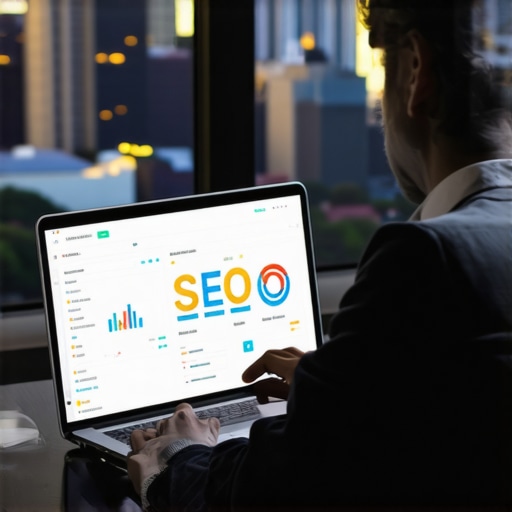
Optimized local SEO tools like BrightLocal and Whitespark have transformed how I monitor rankings and citations, giving me a competitive edge in Atlanta’s bustling market.
If you’re serious about long-term success, I recommend starting by integrating a citation management system today. This proactive step can save countless hours and prevent ranking drops caused by outdated or inconsistent listings. Want to learn more about tools that can streamline your Atlanta SEO efforts? Visit our contact page to get expert advice tailored to your business needs.
What The Toughest Lessons Taught Me About Atlanta Local SEO
One of the most eye-opening realizations was that even the best local SEO strategies can falter near familiar streets like Peachtree, revealing the importance of nuanced verification rather than just surface optimization. I learned that addressing subtle signals—like transit data, visual proof, and community engagement—can make the difference between invisibility and becoming a neighborhood staple. It’s more about strategic consistency and less about simple claim-and-hope tactics. The experience underscored that real growth comes from understanding Google’s complex algorithm layers, not just working harder.
My Go-To Tools That Keep My Georgia Maps Ranks Solid
I rely on BrightLocal for reputation monitoring and citation consistency, which helps me spot issues before they cause ranking dips. Whitespark’s Local Citation Finder uncovers niche directories that give my profiles a boost. Google Insights and API tools inform my ongoing adjustments, while Canva and Loom help craft compelling visuals and proof-of-presence videos. These tools are trustworthy because they’ve consistently saved me hours and kept my maps prominence stable amid Atlanta’s fast-changing local landscape. Curious about how to integrate these into your workflow? Check here.
Step Into the Future of Google Maps Success
You’re now armed with insider insights and proven tactics to elevate your Atlanta business visibility. Implement these strategies with confidence, and watch your Google Maps rankings grow, regardless of street boundaries or neighborhood borders. Remember, local SEO isn’t a one-time effort—it’s a continuous journey of adaptation and mastery. Take action today, and make your presence impossible to ignore in the Atlanta market!
Comments are closed.