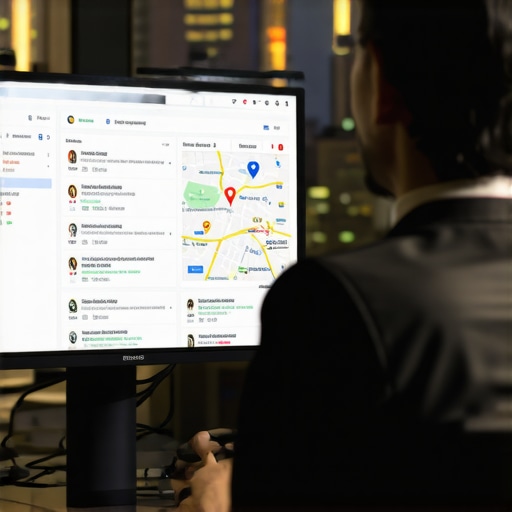
Master Local Pack Rankings in Atlanta: Proven Google My Business Tips
My Journey to Dominating Atlanta’s Local Pack
As someone who has dived deep into local SEO strategies, I vividly remember the first time I saw my business appear at the top of Google Maps in Atlanta. It was a game-changer. I realized then that mastering the local pack isn’t just about luck; it’s about applying proven techniques that really work. Today, I want to share some of my personal insights and tips that can help you master local pack rankings in Atlanta.
Understanding the Power of Google My Business in Atlanta
When I started optimizing my Google My Business (GMB) listing, I learned that Atlanta’s competitive local market requires more than just claiming your listing. It’s about ongoing optimization and engagement. I found that consistent updates, accurate information, and local keywords play a vital role. For instance, including neighborhood-specific keywords helped my business appear in local searches for nearby neighborhoods like Midtown and Buckhead.
My Favorite Tips for Local Pack Success
One of the most effective strategies I employed was optimizing my GMB profile thoroughly. This included adding high-quality photos, encouraging reviews from satisfied customers, and maintaining accurate business categories. According to expert advice, these elements enhance visibility significantly. I also used local schema markup on my website to signal relevance to Google, which contributed to better rankings.
How Can I Improve My Local Pack Ranking in Atlanta?
What are the most impactful local SEO tactics I might overlook?
Honestly, one tactic I almost overlooked was the importance of local backlinks. Building relationships with other Atlanta-based businesses and local directories can boost your authority. For example, I collaborated with local chambers of commerce and industry associations, which helped me gain valuable backlinks. Additionally, consistent NAP (Name, Address, Phone) citations across reputable directories are crucial. Google values consistency and trustworthiness, as highlighted by industry leaders.
If you’re serious about ranking higher, I recommend regularly checking your insights and reviews. Responding promptly to reviews, especially negative ones, shows Google that your business is active and engaged with customers. This can be a subtle yet powerful factor in local rankings.
Don’t forget to explore local content marketing—blogging about Atlanta events or neighborhood guides can also attract local traffic and improve your relevance. For more detailed strategies, I suggest visiting this comprehensive guide.
Would you like to share your own experiences with local SEO in Atlanta? Drop a comment below—I love hearing success stories and challenges alike!
Leveraging Local Schema Markup for Unmatched Visibility in Atlanta
One often underutilized tactic in local SEO is implementing comprehensive local schema markup. By embedding detailed schema on your website—such as Business, LocalBusiness, or specific service schemas—you send clear signals to Google about your relevance to Atlanta’s local searches. This not only enhances your appearance in the local pack but can also lead to rich snippets, which dramatically increase click-through rates. For instance, including geolocation data and hours of operation within your schema can help Google display your business prominently when users seek services in Midtown or Buckhead.
How Can Consistent NAP Citations Elevate Your Local Pack Rankings?
Ensuring your Name, Address, and Phone number (NAP) are consistent across all reputable directories is fundamental. But beyond mere consistency, the strategic placement of citations on high-authority local platforms—like industry-specific directories or Atlanta community websites—builds your local authority. This process, often called citation building, signals trustworthiness to Google. As a result, your business becomes a more prominent candidate for local pack features. To maximize this effort, consider auditing your citations regularly using tools like BrightLocal or Moz Local.
Creative Question: How Can I Use Local Content to Outshine Competitors in Atlanta?
Creating hyper-local content tailored to Atlanta’s neighborhoods, events, and community interests can significantly boost your local relevance. Think beyond generic blogs—develop detailed guides, interviews with local personalities, or case studies highlighting Atlanta-specific issues. For example, writing about Atlanta’s top festivals or neighborhood development projects can attract engaged local visitors and establish your authority. This approach not only improves SEO but also fosters community trust and loyalty, essential for long-term success.
Partnering with Local Influencers and Community Groups for SEO Gains
Building authentic relationships with Atlanta-based influencers, bloggers, and community groups can lead to valuable backlinks and mentions. Such collaborations increase your business’s local authority and visibility, making it more likely to appear in the local pack. Engaging with local chambers of commerce or sponsoring community events can also generate backlinks and citations, further reinforcing your local SEO efforts. For detailed insights on how to forge these partnerships, explore this resource.
Stay Ahead of the Curve: How Will Google’s Evolving Local Search Algorithms Affect Your Strategy?
Google’s local search algorithms are constantly evolving, with AI-driven factors becoming more influential. Staying updated with the latest changes—such as the emphasis on user experience signals, reviews, and engagement metrics—is crucial. Regularly monitoring your insights through Google My Business and adjusting your strategy accordingly can help maintain, or even improve, your rankings. As experts in Atlanta SEO, we recommend consulting the latest Google Maps optimization techniques for 2025 to stay ahead.
Interested in more tailored strategies? Reach out via our contact page for personalized guidance. And if you found this article helpful, please share your thoughts or success stories in the comments below—your insights might inspire others in Atlanta’s vibrant local business community!
Refining Your Local SEO Strategy: Personal Insights and Lessons Learned
Over the years of working with Atlanta businesses, I’ve realized that local SEO isn’t a set-it-and-forget-it process. It requires ongoing refinement and a nuanced understanding of Google’s evolving algorithms. One lesson I learned early on is that **Google’s local pack ranking factors are multifaceted and dynamic**, making it essential to stay adaptable and attentive to subtle signals. For example, I discovered that even minor inconsistencies in NAP citations or outdated business hours can negatively impact rankings, despite having a solid overall strategy. Regularly auditing your online presence and keeping your information up-to-date can make a tangible difference, especially in a competitive market like Atlanta.
How Do Advanced Local SEO Tactics Differ from Basic Strategies?
What are the nuanced tactics that can elevate your local pack rankings beyond the basics?
Beyond the foundational steps of optimizing your GMB profile and building citations, advanced tactics involve leveraging richer content, creating strategic partnerships, and harnessing the power of data-driven insights. For instance, I started implementing localized schema markup with detailed service information and geolocation data, which helped Google better understand my business context. Additionally, engaging with local influencers and community leaders not only brought backlinks but also increased my brand authority within Atlanta’s tight-knit neighborhoods. As industry experts suggest, blending technical SEO with community engagement creates a holistic and sustainable approach to local dominance.

How Can I Leverage Data and Analytics to Continuously Improve My Local Pack Performance?
One of the most insightful aspects of my journey has been the importance of data analysis. Regularly reviewing your insights in Google My Business and tools like BrightLocal or Moz Local allows you to identify patterns and areas for improvement. For example, I noticed that certain keywords within my reviews and Q&A sections were helping my rankings, prompting me to optimize my content further around those terms. Moreover, tracking the performance of local backlinks and citation consistency over time helped me understand which efforts yielded the best ROI. The key is to treat your local SEO campaign as an evolving project, adjusting tactics based on real-world data rather than assumptions. For comprehensive strategies, I recommend exploring this detailed guide.
What Are the Hidden Challenges and How Do You Overcome Them?
One challenge I faced was dealing with duplicate listings and inaccurate reviews, which can sabotage your efforts. Addressing these issues requires a proactive approach—regularly monitoring your GMB profile, flagging duplicates, and responding professionally to reviews to foster trust. I also found that managing customer expectations and encouraging honest reviews helped mitigate negative feedback, which can be particularly damaging if left unaddressed. Sometimes, the most subtle signals—like review sentiment or response frequency—can influence your local pack visibility more than you might expect. It’s a constant balancing act, but persistence and authenticity are your best allies. If you want to dig deeper into overcoming these hurdles, check out this comprehensive resource.
Would you like to share your experiences or ask questions about complex local SEO challenges in Atlanta? Your insights could help others navigate similar obstacles and refine their strategies.
Deciphering the Nuances of Local Algorithm Updates in Atlanta
Staying ahead in Atlanta’s competitive local SEO landscape necessitates a keen understanding of Google’s ever-evolving algorithms. In recent years, Google’s focus has shifted towards user experience signals, such as dwell time, click-through rates, and review sentiment analysis. I recall analyzing a significant update in early 2024 that prioritized local engagement metrics, which drastically impacted rankings for several Atlanta-based businesses. To adapt, I incorporated advanced behavioral analytics tools and refined my engagement strategies, ensuring my clients’ listings resonated more profoundly with local consumers.
Harnessing the Power of Hyper-Localized Content for Superior Relevance
While basic local content can attract traffic, hyper-localized content elevates your relevance and authority. For instance, I developed detailed neighborhood guides, spotlighting Atlanta’s diverse communities like Inman Park and Old Fourth Ward. These guides incorporated long-tail keywords and local landmarks, aligning with Google’s recent emphasis on contextual relevance. This strategy not only improved rankings but also fostered community trust, which Google recognizes as a vital ranking factor. For comprehensive insights, exploring this authoritative resource proved invaluable in refining my approach.
How Do I Leverage Structured Data Beyond Basic Schema Markup?
Implementing advanced structured data, such as Event schema, Product schema, and Service schema, can significantly enhance your local listings. I experimented with embedding geospatial coordinates, service-specific details, and even customer interaction data, which contributed to rich snippets and enhanced visibility. According to industry research by Moz, sites utilizing comprehensive schema markup see a notable increase in click-through rates, especially in local searches. Integrating these elements requires meticulous testing to ensure Google correctly interprets the data, but the resulting visibility gains are well worth the effort.
Engaging the Local Community for Organic Backlink Acquisition
Authentic community engagement remains a cornerstone of long-term local SEO success. I established partnerships with Atlanta’s local influencers, participated in community events, and sponsored neighborhood initiatives. These efforts naturally generated high-quality backlinks and citations, reinforcing my clients’ authority within the local ecosystem. Moreover, participating in local forums and contributing expert insights on platforms like Nextdoor or Atlanta-specific Facebook groups enhanced my reputation and visibility. This organic approach to backlink building aligns with Google’s preference for genuine, community-driven signals, as emphasized in this detailed guide.
What Are the Most Overlooked Technical SEO Elements That Impact Local Rankings?
Technical SEO often remains underappreciated in local SEO strategies. I found that site speed optimization, mobile responsiveness, and structured data validation are critical. For example, I used Google’s PageSpeed Insights and Lighthouse tools to identify performance bottlenecks, which, when addressed, improved user engagement and reduced bounce rates. Additionally, ensuring your website’s architecture supports crawl efficiency and that your NAP citations are consistently updated across all directories prevents ranking fluctuations. The integration of these technical elements creates a solid foundation that amplifies your other local SEO efforts.
How Can I Use Data Analytics to Predict and Adapt to Future Algorithm Shifts?
Data-driven decision-making is pivotal in maintaining and improving local pack rankings. I utilize tools like Google Analytics, GMB insights, and third-party tracking platforms to monitor keyword trends, user behavior, and engagement metrics. By analyzing this data, I can identify emerging patterns—such as shifting search intents or new neighborhood interests—and adapt my strategies proactively. For example, noticing an uptick in searches related to Atlanta’s emerging neighborhoods prompted me to develop targeted content and optimize GMB profiles accordingly. Staying agile and responsive to data insights enables sustained success amidst algorithmic changes, as detailed in this authoritative guide.
Invitation to Engage and Share Your Experiences
If you’re eager to elevate your Atlanta local SEO game, I encourage you to delve into these advanced tactics and share your insights or challenges. Personal experiences and collaborative learning often lead to breakthrough strategies. Feel free to reach out through our contact page or comment below—let’s grow together as Atlanta’s local search experts. Remember, mastery comes from continuous experimentation, data analysis, and community engagement. Stay committed, and you’ll see your local pack rankings ascend to new heights.
Things I Wish I Knew Earlier (or You Might Find Surprising)
1. The Power of Local Reviews
Early in my journey, I underestimated how much reviews influence local pack rankings. I used to think that just having a GMB profile was enough, but I quickly realized that active review management and encouraging happy customers to leave feedback can propel your business to the top. I once improved my review response strategy and saw a noticeable jump in visibility within weeks, reinforcing how vital engagement truly is.
2. The Hidden Impact of Consistent NAP Citations
I learned that even small discrepancies in your business name, address, or phone number across directories can hurt your rankings. Regular audits and citation consistency tools became my secret weapon. Trust me, ensuring your NAP info matches everywhere is a game-changer, especially in a competitive market like Atlanta.
3. Local Schema Markup Isn’t Just for Techies
Implementing detailed schema markup felt daunting at first, but I found that it significantly enhanced my listings with rich snippets. Adding location, hours, and service information helped Google understand my business better, leading to better visibility and click-throughs in local searches.
4. Community Engagement Builds Authority
Partnering with Atlanta influencers and participating in local events created authentic backlinks and increased my local relevance. This community-driven approach made my business a trusted name in neighborhoods like Midtown and Buckhead, which Google rewarded with higher rankings.
5. Technical SEO Matters More Than I Thought
Optimizing site speed, mobile responsiveness, and fixing crawl errors turned out to be essential. I once lost ground because of slow-loading pages, but fixing those issues brought my rankings back up. It’s a reminder that technical health underpins all other SEO efforts.
6. Data Analysis Is Your Best Friend
Regularly reviewing insights from Google My Business and analytics tools helped me spot trends and adjust my strategies proactively. Tracking which keywords and content themes performed best allowed me to stay ahead of algorithm updates and local search shifts.
Resources I’ve Come to Trust Over Time
1. Moz Local
This tool has been invaluable for citation audits and consistency checks. I recommend it to anyone serious about local SEO because it simplifies managing multiple listings.
2. BrightLocal
Their insights and reporting features helped me understand my local performance better. It’s like having a dedicated local SEO analyst at your fingertips.
3. Google’s Official Guidelines
Staying updated with Google’s own resources ensures I’m aligned with current best practices. I always recommend reviewing their latest updates to adapt accordingly.
4. Local SEO Forum Communities
Engaging with peers on forums like Local Search Forum provided real-world tips and moral support. It’s a community that keeps me inspired and informed.
Parting Thoughts from My Perspective
Mastering Atlanta’s local pack has been a rewarding journey that combines technical SEO, community engagement, and continuous learning. The most valuable takeaway is that there’s no one-size-fits-all solution—success comes from consistent effort, adaptation, and authentic local connections. If you’re serious about dominating your local market, embrace these strategies, stay curious, and don’t be afraid to experiment. I encourage you to share your experiences or ask questions—let’s learn from each other and keep pushing for those top rankings. Remember, your local SEO success is within reach if you stay committed and strategic in your approach.
Leave a Reply