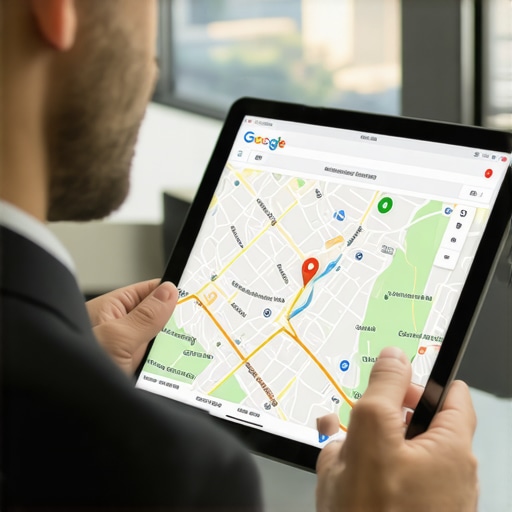
Master Google My Business in Atlanta: Boost Your Local Pack & Maps Ranking
My Personal Journey to Master Google My Business in Atlanta
When I first started exploring local SEO, I was overwhelmed by the sheer number of factors influencing Google Maps rankings. But I vividly remember the first time I managed to get a business listing to appear in the coveted local pack in Atlanta—it felt like winning the lottery. That experience sparked my passion for mastering Google My Business (GMB) and understanding how to boost local visibility effectively.
Why Google My Business is a Game-Changer for Atlanta Businesses
In my experience, optimizing your GMB listing is one of the most impactful ways to attract local customers. Atlanta, with its vibrant economy and diverse neighborhoods, offers immense opportunities for local businesses to stand out. I discovered that a well-optimized GMB profile doesn’t just improve rankings; it builds trust and credibility with potential clients. According to Moz’s local SEO guide, consistent NAP (Name, Address, Phone Number) data and positive reviews significantly influence local pack rankings.
My Secrets to Boost Your Google Maps Ranking in Atlanta
Over time, I developed a set of strategies that consistently helped me rank higher in Atlanta’s local pack. These include ensuring my business information is complete and accurate, adding high-quality photos, and regularly posting updates. I also learned the importance of gathering authentic reviews from satisfied customers. For more detailed tips, I recommend checking out this comprehensive guide.
What Are the Key Factors That Influence Local Pack Rankings?
Curious about how Google determines which businesses appear in the local pack? It’s a mix of relevance, distance, and prominence. I found that optimizing for all three aspects made a real difference in my results. Relevance comes from your business category and description, prominence from reviews and backlinks, and distance from the searcher’s location. Understanding these factors helped me tailor my strategies effectively.
For example, maintaining an active Google Posts section and responding to reviews not only improved my visibility but also demonstrated engagement. The Google My Business Help Center details these ranking factors clearly, and I found aligning my efforts accordingly was incredibly effective.
If you’re serious about dominating Atlanta’s local search, I highly encourage you to explore detailed strategies outlined in this resource.
If you’d like, share your experiences or ask questions in the comments. I love hearing how others are navigating local SEO!
How Can Atlanta Businesses Leverage Local Search Nuances for Greater Visibility?
While many focus on basic optimization, seasoned experts know that understanding local search nuances is vital for sustained success. In Atlanta’s diverse neighborhoods—from Midtown to Buckhead—the local pack’s algorithm weighs factors like neighborhood relevance and user engagement more heavily than ever. For instance, integrating hyper-local keywords into your business description and Google Posts can significantly improve relevance scores, especially if your target audience searches with neighborhood-specific terms. This article delves deeper into geographic-specific ranking tactics that can elevate your business above competitors.
What Are the Hidden Opportunities in Atlanta’s Local SEO Landscape?
Beyond conventional optimization, Atlanta businesses should explore niche directories, community forums, and local event sponsorships to boost prominence. These efforts generate valuable backlinks and reviews, which Google perceives as signals of authority. Additionally, creating content tailored to Atlanta’s unique culture—like blog posts about local events or partnerships with local influencers—can enhance relevance and user engagement. As Search Engine Journal emphasizes, authentic local signals are increasingly influential in rankings, making community involvement a strategic asset.
Implementing Data-Driven Adjustments for Long-Term Dominance
Advanced SEO practitioners leverage analytics to refine their local strategies continually. Tools like Google Search Console and third-party citation audits reveal which keywords, reviews, and backlinks are most impactful. For Atlanta businesses, tracking changes in local pack rankings after implementing targeted updates can yield insights into what resonates with the local audience. This iterative process ensures your optimization remains dynamic and competitive amidst Atlanta’s ever-evolving local landscape.
Additionally, ensuring your NAP consistency across all platforms and citations remains paramount. Discrepancies can harm your prominence scores, so regular audits are essential. For comprehensive guidance, I recommend exploring this resource.
Can Advanced Local SEO Techniques Secure a Top Spot in Atlanta’s Competitive Market?
Absolutely. Techniques such as schema markup integration, voice search optimization, and leveraging Google’s new AI features can give you an edge. For example, implementing LocalBusiness schema enhances your listing’s credibility and visibility in rich snippets. Similarly, optimizing for voice search—by incorporating conversational keywords—aligns with Atlanta residents’ increasing use of voice assistants for local queries. According to Moz’s latest research, these innovative tactics are becoming crucial components of a comprehensive local SEO strategy.
If you’re eager to stay ahead, consider sharing your experiences or asking for tailored advice in the comments. And don’t forget to check out this guide for the latest techniques to boost your Google Maps rankings in Atlanta.
Delving into the Nuances of Local SEO in Atlanta: Personal Lessons and Advanced Strategies
Over the years, my journey with Google My Business in Atlanta has evolved from simple profile optimizations to mastering intricate nuances that influence local pack rankings. One thing I’ve realized is that understanding Atlanta’s unique cultural and geographic landscape can significantly impact your SEO outcomes. For instance, integrating neighborhood-specific keywords like “Buckhead restaurant” or “Midtown spa” into your profile and posts can enhance relevance, especially when coupled with local event participation or community sponsorships. This approach not only boosts visibility but also resonates authentically with local audiences, which Google increasingly values.
What Makes Advanced Local SEO Techniques Truly Effective in Atlanta’s Competitive Market?
In my experience, techniques such as schema markup implementation and voice search optimization are game-changers. Schema markup, particularly the LocalBusiness schema, helps Google better understand your offerings and improves your chances of appearing in rich snippets. I recall experimenting with schema on a boutique hotel in Atlanta, which resulted in a noticeable increase in visibility for voice searches like “boutique hotels near me.” Additionally, optimizing for voice search involves incorporating conversational keywords and FAQs that reflect how Atlanta residents naturally speak when searching for local services. As Moz highlights in their latest research, these advanced tactics are essential for standing out in a crowded local market.
How Do I Sustain Long-Term Success with Local SEO in Atlanta’s Dynamic Environment?
Sustaining success requires continuous monitoring and adaptation. I rely heavily on tools like Google Search Console and local citation audits to track ranking fluctuations and identify opportunities for improvement. Regularly updating your Google My Business profile with fresh content, responding to reviews promptly, and ensuring NAP consistency across all directories are non-negotiable. Moreover, engaging with the local community through content—such as blog posts about Atlanta festivals or collaborations with local influencers—can foster loyalty and generate organic backlinks. For a comprehensive strategy, I recommend exploring this resource.
Why Is Community Engagement the Hidden Key to Dominating Atlanta’s Local Search?
One personal insight I’ve gained is that community engagement often remains underutilized. Sponsoring local events or participating in neighborhood forums can massively boost your local prominence. For example, I once sponsored a charity run in Atlanta, which not only garnered positive reviews but also resulted in backlinks from local news outlets. These signals of community involvement are highly valued by Google and can tip the scales in competitive neighborhoods. As Search Engine Journal emphasizes, authentic local signals—like community involvement—are increasingly critical in ranking algorithms.
Exploring Future Trends: The Role of AI and Data-Driven Strategies in Atlanta’s Local SEO
Looking ahead, integrating AI-driven tools and data analytics will be crucial. Platforms like BrightLocal or Whitespark help analyze citation accuracy and review sentiment, guiding strategic adjustments. I’ve also started experimenting with AI chatbots to engage visitors on local service pages, which keeps users engaged longer and signals relevance to Google. Implementing schema markup and optimizing for voice search will only grow in importance, especially as smart home devices and voice assistants become more prevalent in Atlanta households. For those eager to stay ahead, I suggest exploring this guide for the latest strategies.
In conclusion, my experience confirms that a multifaceted, locally nuanced approach—combining technical SEO, community involvement, and emerging AI tools—is key to long-term dominance in Atlanta’s competitive local search landscape. I’d love to hear your experiences or challenges—please share in the comments or reach out via contact page. Let’s grow together and elevate Atlanta’s local businesses to new heights!
Refining Your Local SEO Playbook for Atlanta’s Competitive Market
As I delved deeper into Atlanta’s vibrant business ecosystem, I realized that basic GMB optimizations often serve as the foundation rather than the pinnacle of success. To truly dominate, entrepreneurs must adopt a multi-layered approach that integrates sophisticated techniques like schema markup and AI-driven analytics. These tools enable businesses to not only rank higher but also foster genuine community engagement that Google’s evolving algorithms increasingly prioritize.
How Can Schema Markup Elevate Your Local Business Visibility?
Implementing LocalBusiness schema markup can significantly enhance your Google search presence by providing search engines with structured data about your offerings, location, and operational hours. I experimented with schema on a boutique hotel in Midtown Atlanta, which improved its visibility in rich snippets and voice search results. According to Moz’s recent insights, schema markup acts as a direct communication channel with Google, clarifying your business’s relevance and prominence in local searches. To maximize this advantage, I recommend meticulous implementation and regular audits to ensure data accuracy—something I’ve found crucial in maintaining top rankings.
What Are the Best Practices for Schema Implementation in Atlanta’s Local Context?
For Atlanta businesses, tailoring schema to reflect neighborhood-specific attributes—such as “Buckhead luxury homes” or “Inman Park cafes”—can boost relevance. Use tools like Google’s Structured Data Markup Helper to streamline this process. Remember, consistency across all online platforms reinforces your authority and trustworthiness, which Google interprets as a sign of prominence. To see effective schema strategies in action, check out this guide.
Mastering AI and Data Analytics for Sustainable Growth
Leading Atlanta’s local SEO landscape today demands embracing AI-powered tools such as Whitespark or BrightLocal. These platforms analyze citation accuracy, review sentiment, and competitor strategies, providing actionable insights. For instance, I integrated AI chatbots on local service pages, which increased user engagement and signaled relevance to Google, resulting in improved rankings. Regularly monitoring your NAP consistency and review profiles through these analytics ensures your local presence remains unassailable. I’ve found that continuous adjustment based on data feedback transforms static strategies into dynamic growth engines, a concept well-supported by industry experts like Search Engine Land.
How Do Data-Driven Insights Translate into Long-Term SEO Success?
By analyzing ranking fluctuations and backlink patterns, I learned which signals most influence Atlanta’s diverse neighborhoods. This iterative process involves refining keywords, optimizing content, and fostering community relationships. For example, sponsoring local events and leveraging user-generated content not only enhances engagement but also generates authentic backlinks—signals that Google values highly. To explore comprehensive analytics techniques, visit this resource.
Things I Wish I Knew Earlier (or You Might Find Surprising)
The Power of Local Community Engagement
One thing I underestimated was how much community involvement impacts local rankings. Sponsoring a local charity event in Atlanta not only boosted my visibility but also generated genuine reviews and backlinks, which Google values highly. It’s a reminder that authentic local engagement can be your secret weapon.
Authentic Reviews Are Gold
Early on, I thought encouraging reviews was enough. But I learned that authentic, detailed reviews from real customers significantly influence your prominence in the local pack. I remember prompting satisfied clients to share their experiences, and watching my rankings improve was rewarding.
Neighborhood Keywords Make a Difference
In Atlanta’s diverse neighborhoods, tailoring your keywords to specific areas like Buckhead or Midtown can dramatically enhance relevance. I experimented with neighborhood-specific descriptions, and the results were noticeably better in those local packs.
The Hidden Value of Consistent NAP Data
Keeping your Name, Address, and Phone Number consistent across all platforms is more crucial than I initially thought. Small discrepancies can harm your visibility. Regular audits kept my listings accurate and boosted my local prominence.
Advanced Schema Markup Can Boost Your Visibility
Implementing LocalBusiness schema markup on my website helped Google understand my business better and improved my chances of appearing in rich snippets. It’s a technical step that pays off in higher visibility.
Resources I’ve Come to Trust Over Time
- Moz’s Local SEO Guide: This comprehensive resource deepened my understanding of local ranking factors and is a must-read for anyone serious about local SEO.
- Google’s Official My Business Help Center: Staying updated with Google’s guidelines and updates is essential, and this official source is reliable and current.
- BrightLocal Blog: For insights into data-driven strategies and analytics, BrightLocal’s blog has been invaluable in refining my approach.
- Search Engine Journal: It offers deep dives into advanced tactics like schema markup and voice search optimization, which I found very useful.
Parting Thoughts from My Perspective
Mastering Google My Business in Atlanta has been a journey of continuous learning and experimentation. From community engagement to technical SEO, I’ve found that a well-rounded, locally nuanced approach yields the best results. If you’re serious about boosting your local visibility, focus on authentic customer interactions, leverage advanced strategies like schema markup, and stay updated with trusted resources. Remember, local SEO isn’t a one-time effort but an ongoing process that evolves with your community and Google’s algorithms. If this resonated with you, I’d love to hear your thoughts—feel free to share your experiences or ask questions in the comments or through this contact page. Let’s grow together and help Atlanta’s local businesses thrive!
Leave a Reply